The 1970s File Feature
If I Only Knew
The Story Behind Ozark Mountain Daredevils' If I Only Knew A Country-Rock Band Finding Its Commercial Footing By early 1976, Ozark Mountain Daredevils had al…
01 The Story
The Story Behind Ozark Mountain Daredevils' "If I Only Knew"
A Country-Rock Band Finding Its Commercial Footing
By early 1976, Ozark Mountain Daredevils had already established a devoted following through their distinctive blend of country, folk, and rock influences, having earned genuine critical respect within the broader Americana and country-rock scene even without achieving major mainstream chart dominance. This single arrived during a period when the band continued refining that hybrid sound for a steadily growing national audience.
A Sound Rooted in Rural Authenticity
The recording showcased the band's genuine commitment to an organic, rootsy musical aesthetic, blending twangy guitar work with warm vocal harmonies to create a sound that felt distinctly different from the more polished, radio-oriented country-rock competing for attention on mainstream stations throughout the same period.
A Modest but Steady Chart Showing
The single debuted on the Billboard chart on January 17, 1976, and climbed gradually to reach a peak position of number 65 during the week of February 28, 1976. The song's total chart run lasted seven weeks, a modest but genuinely respectable showing that reflected the band's steady, if never explosive, commercial presence throughout the mid-1970s.
Part of a Broader Country-Rock Movement
This single arrived amid a genuinely vibrant period for country-rock and Americana more broadly, with numerous bands exploring similar hybrid territory throughout the mid-1970s. The Daredevils' consistent, if modest, chart presence during this period reflected their established place within that increasingly crowded and creatively fertile musical landscape.
A Sound Built on Genuine Musical Chemistry
What continued to distinguish the band's approach throughout this recording was the seamless interplay between multiple instrumentalists and vocalists, a chemistry built on genuine collaborative songwriting that allowed for organic, unforced musical arrangements throughout the track's warm, unhurried runtime.
Part of Americana's Enduring Regional Appeal
Music historians revisiting the mid-1970s country-rock landscape often point to recordings like this one as clear evidence of the genre's genuine regional and cultural authenticity, with bands like the Daredevils representing a distinctly Midwestern strand of the broader roots-rock movement sweeping the decade.
A Reflection of Consistent Artistic Identity
This particular single, though never approaching major chart dominance, nonetheless reveals the same genuine artistic consistency that defined the band's broader catalog, offering listeners a satisfying example of their reliably warm, rootsy musical identity throughout this era.
A Snapshot of Mid-1970s Roots Music Diversity
This release also captured a broader moment in mid-1970s American popular music, when country-rock and Americana acts were finding steady, if modest, commercial footing alongside more mainstream pop and rock competing for the same radio attention. The Daredevils' consistent presence throughout this period reflected genuine audience appetite for authentic, rootsy musical alternatives.
A Steady Contributor to an Underrated Catalog
This recording represents one of many similarly accomplished entries within the Daredevils' broader catalog, a body of work that continues earning renewed critical appreciation from listeners rediscovering the considerable depth and consistency of their 1970s output.
A Worthwhile Deep Cut in Country-Rock History
Today, the recording remains a genuinely rewarding listen for anyone exploring the band's extensive and consistently underappreciated 1970s catalog. Press play and you can hear that trademark rootsy warmth still shining through clearly. That achievement remains genuinely notable for a band working within a musical style that rarely achieved major mainstream chart dominance during this particular period. It stands as a genuinely satisfying representation of the band's consistent artistic identity throughout the decade. The recording's rootsy authenticity ultimately proved that country-rock could maintain genuine commercial relevance even without chasing more mainstream pop production trends. It remains a genuinely rewarding discovery for listeners exploring the deeper corners of 1970s country-rock's rich and varied catalog. Its reputation continues to grow steadily among dedicated genre enthusiasts and record collectors seeking overlooked gems from this particularly rich musical decade.
"If I Only Knew" — Ozark Mountain Daredevils' singular moment on the 1970s charts.
02 Song Meaning
What "If I Only Knew" by Ozark Mountain Daredevils Is Really About
A Meditation on Regret and Hindsight
At its core, this song explores the familiar emotional territory of romantic regret, using its central conditional phrase to express the narrator's wish for clearer foresight regarding a relationship's eventual outcome, a theme built around the universal human experience of recognizing mistakes only after they have already happened.
Ozark Mountain Daredevils' Warm, Rootsy Delivery
The Ozark Mountain Daredevils' warm, unpretentious vocal delivery brings genuine sincerity to the song's reflective lyrical themes, treating regret and hindsight with real emotional honesty rather than melodramatic self-pity. Their understated performance elevates familiar romantic subject matter into something genuinely affecting and quietly resonant.
Country-Rock's Tradition of Reflective Songwriting
This song fits comfortably within a broader country-rock tradition of pairing organic, rootsy instrumentation with genuinely introspective lyrical content, favoring quiet emotional honesty over more dramatic or theatrical songwriting approaches common elsewhere on contemporary radio throughout the same period.
Hindsight as a Source of Quiet Wisdom
Rather than dwelling purely on sadness, the song frames hindsight as a source of quiet, hard-won wisdom, suggesting that recognizing past mistakes represents a meaningful step toward genuine emotional growth and eventual healing rather than simply prolonged regret.
Organic Arrangement Supporting Reflective Themes
The song's warm, organic arrangement supports its reflective lyrical content perfectly, using unhurried acoustic instrumentation to give the narrator's contemplative themes genuine room to breathe throughout the track's patient, unforced musical pacing.
A Universal Experience of Romantic Regret
Beyond its specific narrative details, the song taps into a broadly relatable human experience of romantic hindsight and regret, a feeling that transcends any particular era and continues connecting with listeners reflecting on their own past relationship choices and outcomes.
Why the Reflection Still Resonates
Even decades after its original release, the song's honest exploration of hindsight and regret remains genuinely affecting, a reminder that quiet, sincere reflection on past mistakes has always held broad and lasting appeal across changing musical generations.
A Recording Built on Genuine Craftsmanship
The song's carefully layered instrumentation rewards close listening, revealing subtle musical details that distinguish it from more disposable contemporary country-rock fare built around fleeting, forgettable surface appeal alone. That reflective, unhurried quality gives the recording a lasting emotional resonance well beyond its modest original chart placement and brief radio run.
A Song Rooted in Genuine Regional Identity
The recording's distinctly Midwestern musical sensibility, shaped by the band's Ozark regional roots, gives the song a genuine sense of place that distinguishes it from more generic, placeless country-rock competing for the same national radio attention throughout the era. Its consistent quality only reinforces just how genuinely reliable and artistically coherent the band's broader catalog actually was throughout the decade.
→ More from Ozark Mountain Daredevils
View all Ozark Mountain Daredevils hits →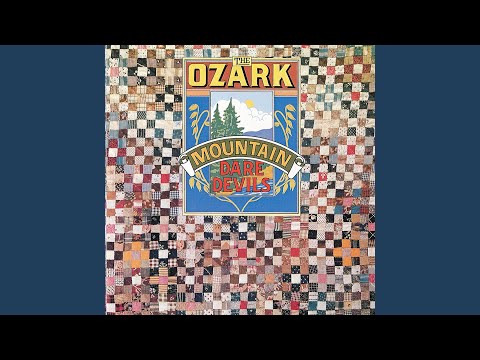

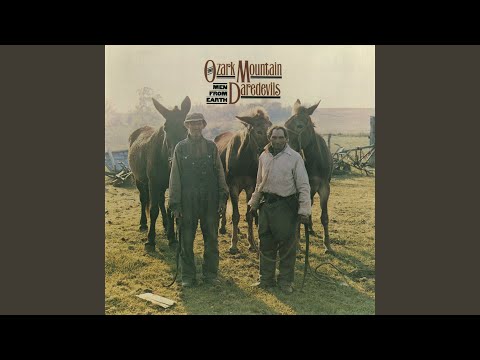

→ More from the 1970s File
View all 1970s hits →




Keep digging