The 1970s File Feature
Still The One
Still the One: Orleans and the Sound of Enduring Partnership "Still the One" by Orleans , released on Asylum Records in 1976, represents one of the more dura…
01 The Story
Still the One: Orleans and the Sound of Enduring Partnership
"Still the One" by Orleans, released on Asylum Records in 1976, represents one of the more durable soft-rock achievements of its era, a recording that climbed to number five on the Billboard Hot 100 and established itself as a staple of the decade's adult contemporary landscape. Written by the group's core members John Hall and Johanna Hall, the song combined melodic accessibility with a lyrical sincerity that gave it an emotional resonance well beyond the typical soft-rock product of the period, and its appeal proved remarkably long-lived in ways that neither the band nor their label could have anticipated at the time of its release.
Orleans had formed in Woodstock, New York in the early 1970s, assembling a lineup that reflected the eclectic musical environment of that famously creative community. The band's core members brought together rock, folk, country, and pop influences in a combination that resisted easy categorization but found its commercial footing in the mid-1970s soft-rock mainstream. John Hall, the principal guitarist and co-writer of their major hits, possessed a songwriting talent that operated comfortably within commercial constraints while consistently finding genuine emotional content within those constraints. His collaboration with his then-wife Johanna Hall produced some of the band's most successful material, including both "Still the One" and the earlier hit "Dance with Me."
"Dance with Me" had established Orleans as a commercial presence when it reached the top ten on the Hot 100 in late 1975, preparing the ground for the even greater success of "Still the One" in the following year. The two songs shared a quality of warm romantic contentment that was somewhat unusual in mainstream rock of the period, where both the singer-songwriter movement's introspective darkness and the harder rock tradition's aggressive energy were more commonly the default modes. Orleans offered something different: recordings that felt genuinely happy without being saccharine, that expressed adult romantic contentment rather than teenage desire or adult disillusionment.
The production of "Still the One" was handled by the band themselves with engineer Paul Leka, who had worked on a variety of mainstream pop and rock recordings during this period. The result was a clean, uncluttered sound that let the song's melodic strengths and the lead vocal carry the weight of the recording without unnecessary elaboration. The guitar work was present and tasteful without dominating, and the rhythm section provided momentum without pushing the tempo in ways that might have interfered with the song's essentially reflective emotional mood.
The single reached number five on the Hot 100 in the autumn of 1976, during a year that was competitive across multiple genres and formats. Its performance on the adult contemporary chart was even stronger, reflecting the particular appeal of the song's romantic maturity to listeners who had moved past the teenage romantic fantasies that dominated Top 40 radio and were looking for music that spoke to the experience of longer, more established relationships. The song explicitly addressed a relationship that had lasted over time, celebrating not the excitement of new love but the deeper satisfaction of a love that had proven itself durable, and this subject matter gave it a specific resonance with audiences that few soft-rock recordings of the era could match.
Radio programmers recognized the song's unusual staying power almost immediately. Where many pop hits of the period generated intense initial enthusiasm that quickly faded as listeners moved on to the next new release, "Still the One" seemed to improve with repeated exposure, its qualities emerging more fully the more familiar it became. This characteristic, which could not have been predicted or engineered, was responsible in large part for the remarkable afterlife the recording enjoyed over subsequent decades.
The song's cultural footprint expanded well beyond its original chart run. It was used in various advertising campaigns, television productions, and political contexts over the following decades, with its central message of enduring loyalty proving adaptable to a surprising range of applications. New York Governor Mario Cuomo used it in a political context in the 1980s, and it was employed in advertising campaigns that used its central theme of reliable, long-term commitment as a metaphor for brand loyalty. These repurposings generated some controversy and some additional attention but also reflected the genuine communicative power of the song's central idea.
The band's commercial trajectory after "Still the One" was less consistent, with subsequent releases failing to replicate the single's chart performance. John Hall later pursued a career in New York State politics, eventually serving in the United States House of Representatives, a trajectory that led him to request that the song not be used for commercial endorsements he had not sanctioned. But "Still the One" itself continued to find new audiences across subsequent decades, appearing on compilation albums, oldies radio formats, and streaming playlists that introduced it to listeners who had not been born when it first appeared on the charts. Its endurance was the most genuine testimony to the quality of the original recording.
02 Song Meaning
The Staying Kind: What "Still the One" Means
"Still the One" is a love song about love that has survived time, a rarer subject in popular music than the more common subjects of new love, lost love, or desired love. The song's central assertion is that a relationship which began some time in the past has not merely persisted but has deepened and proven itself in ways that make the narrator more certain of his feelings now than he was at the beginning. This emphasis on duration and proven commitment as the deepest form of romantic assurance was the key to the song's emotional resonance with adult audiences.
The Halls wrote the song from within a real relationship, and that biographical grounding gave it a specificity and honesty that purely imagined romantic scenarios sometimes lack. The details of the song described a partnership that was intimate and familiar in the way that only long acquaintance produces, and the affection in the narrator's voice was the affection not of infatuation but of genuine knowledge. He loved the person he was singing to because he knew them, had lived with them, had experienced both the difficulties and the sustaining pleasures of a real partnership, and had found that all of this experience had deepened rather than diminished his love. This was an unusual story for a pop song to tell, and its unusualness was part of its appeal.
Soft rock as a genre in the 1970s was built on exactly this kind of emotional maturity, on the recognition that a significant portion of the pop audience had moved past the adolescent romantic dramas that fueled most of the genre's earlier history and was looking for music that spoke to adult experience. The Halls understood this audience because they were part of it, and "Still the One" captured their own experience of adult romantic commitment with a clarity and warmth that their listeners immediately recognized.
The song's emotional register was calm and confident rather than anxious or desperate, reflecting the narrator's certainty about the relationship he was describing. This confidence was itself a meaningful part of the song's message: genuine love, the song argued, did not need to be dramatic or uncertain to be real. It could exist in a state of quiet assurance, of knowledge so deep and trust so established that the urgency of early romantic feeling had been replaced by something more durable and more satisfying. For listeners navigating the complexities of long-term relationships in the mid-1970s, this argument resonated deeply.
The recording's endurance across decades, its repeated discovery by new generations of listeners, suggests that the subject matter it addressed is genuinely perennial. People continue to look for music that validates their experience of lasting love, that tells them their settled, familiar relationships are worthy of celebration rather than replacement. "Still the One" provided this validation with enough musical and emotional skill to make the validation feel earned rather than merely sentimental. It remains one of the most honest and affecting celebrations of long-term romantic commitment in the soft-rock canon, a song that continues to find listeners wherever its simple, confident message meets an audience ready to hear it.
→ More from Orleans
View all Orleans hits →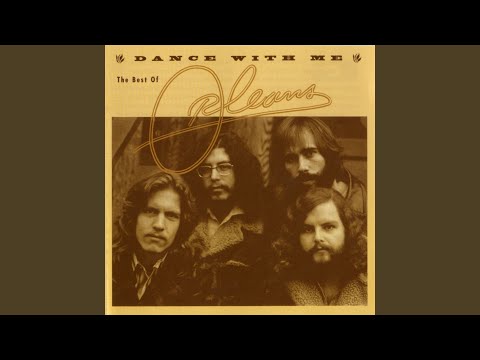

→ More from the 1970s File
View all 1970s hits →




Keep digging