The 1970s File Feature
Geronimo's Cadillac
Michael Murphey Rides Out with Geronimo s Cadillac Picture the early 1970s, when the singer-songwriter movement was in full bloom and a generation of literat…
01 The Story
Michael Murphey Rides Out with "Geronimo's Cadillac"
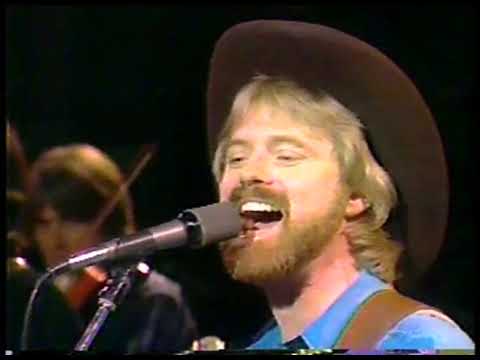
Picture the early 1970s, when the singer-songwriter movement was in full bloom and a generation of literate, folk-rooted musicians was bringing poetry and conscience to the pop charts. The country-rock scene around Texas and Colorado was producing thoughtful troubadours who wove Western imagery and social awareness into their songs. Into this fertile moment stepped Michael Murphey, a gifted writer with a knack for vivid storytelling, announcing himself to the wider world with a striking debut single that carried real weight.
A Writer Steps into the Spotlight
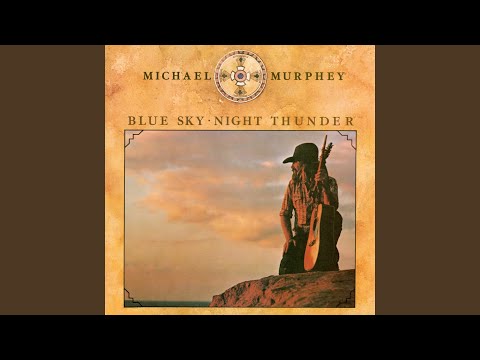
Before he scored his eventual signature smash "Wildfire" in 1975, Michael Murphey had been building a reputation as a sharp songwriter whose material had been recorded by other artists. "Geronimo's Cadillac" served as the title track of his debut album and his first significant solo statement. The song was co-written by Murphey with Charles John Quarto, and it announced a thoughtful new voice in the country-rock landscape, an artist as interested in ideas and history as in melody. In an era thick with talented songwriters, Murphey distinguished himself by reaching for substance, treating a pop single as a place where serious subjects could live alongside a memorable tune.
History and Protest Wrapped in Melody
The song draws its power from a poignant historical image, evoking the legendary Apache leader Geronimo and the painful story of his people's subjugation. The title image of a Cadillac, a symbol of American consumer culture, set against the dispossession of Native Americans gives the song a sharp undercurrent of protest. Murphey delivers it not as a lecture but as a flowing, melodic country-rock number, the production glowing with acoustic warmth and a gentle, rolling momentum that carries the heavy subject with grace. The contrast between the easy, inviting sound and the weight of the subject matter is precisely what gives the song its staying power, drawing listeners in with melody before the message has a chance to settle. It is a model of how popular music can address difficult history without ever turning preachy or grim.
A Slow and Steady Chart Climb
"Geronimo's Cadillac" entered the Billboard Hot 100 dated August 5, 1972 at number 90. True to the patient nature of singer-songwriter hits, it climbed gradually through the late summer, easing into the 70s by early September. The record continued its slow ascent through the autumn, eventually peaking at number 37 on October 7, 1972. It proved to be one of Murphey's most enduring early successes, lingering for a substantial 13 weeks on the chart, a sign of how steadily it found its audience. That long run on the chart was no accident; songs with real substance often build their following slowly, as listeners absorb both the melody and the meaning over repeated plays.
The Launch of a Distinguished Career
In the arc of Michael Murphey's career, "Geronimo's Cadillac" stands as a powerful debut statement, the song that introduced his blend of melody, intelligence, and Western sensibility. It set the stage for the bigger triumph of "Wildfire" a few years later and for his eventual reinvention as a leading figure in the cowboy and Western music revival. This early single revealed an artist unafraid to tackle serious themes while crafting genuinely beautiful songs. The thread running through his entire career, a deep affection for the American West and its complicated history, was already fully visible here in this first major statement, making the song a fitting introduction to one of the genre's most literate voices. Few debut singles announce an artist's lifelong preoccupations quite so clearly as this one did.
Press play and let the story unfold. "Geronimo's Cadillac" pairs a gorgeous country-rock melody with a conscience, the kind of song that lingers long after the music fades.
"Geronimo's Cadillac" — Michael Murphey's singular moment on the 1970s charts.
02 Song Meaning
History and Injustice in "Geronimo's Cadillac"
The best singer-songwriter material often smuggles serious ideas inside beautiful melodies, and "Geronimo's Cadillac" does exactly that. Michael Murphey built a haunting country-rock song around a powerful symbol of injustice, giving listeners both a hummable tune and something to think about.
A Symbol of Dispossession
The central theme is the mistreatment of Native Americans, evoked through the figure of the Apache leader Geronimo. The song's striking title juxtaposes a great indigenous leader with a Cadillac, an emblem of American materialism, to underline the painful story of conquest and cultural loss. The lyric paraphrases a lament for a people stripped of their land and freedom, packaged in vivid poetic imagery.
Sorrow and Quiet Protest
The emotional message blends sorrow with protest. There is genuine mourning here for historical wrongs, but also a gentle rebuke aimed at the forces that committed them. Murphey does not shout; he laments, letting the beauty of the melody carry the weight of the message. The effect is moving rather than preachy, an invitation to reflect rather than a finger-wagging sermon. By trusting the listener to feel the weight of the story for themselves, the song earns a far deeper response than any direct accusation could.
A Song of Its Awakening Era
Culturally, the song emerged during a period of growing awareness of Native American rights in the early 1970s, when activism was bringing long-ignored injustices into public view. The singer-songwriter movement embraced social consciousness, and Murphey's track fit that moment perfectly, using popular music as a vehicle for empathy and historical reckoning. The early 1970s saw a broad cultural reckoning with America's past, and songs that gave voice to forgotten or silenced histories found a receptive audience among listeners hungry for music with a conscience.
Why It Moved Listeners
Audiences responded to the song's combination of beauty and conscience. The melody drew people in, while the subject matter lingered in the mind. That pairing of poetic craft and moral weight gave the song a depth that set it apart from lighter chart fare, rewarding listeners who paid attention to its story.
The Enduring Power of the Song
What endures about "Geronimo's Cadillac" is its refusal to look away from a hard truth. Decades on, the song remains a thoughtful reminder of historical injustice, proof that popular music can carry serious ideas without sacrificing beauty. That blend of melody and meaning is why the song still resonates as a quietly powerful piece of American songwriting. It asks the listener to remember, to feel, and to reckon honestly with a chapter of history too often glossed over, and it does so with a tenderness that lingers long after the final chord has faded.
→ More from Michael Murphey
View all Michael Murphey hits →
→ More from the 1970s File
View all 1970s hits →




Keep digging