The 1970s File Feature
While I'm Alone
While I'm Alone — Maze Featuring Frankie Beverly: History Maze featuring Frankie Beverly occupies a singular position in the landscape of American soul and f…
01 The Story
While I'm Alone — Maze Featuring Frankie Beverly: History
Maze featuring Frankie Beverly occupies a singular position in the landscape of American soul and funk, and "While I'm Alone" stands as one of the most emotionally resonant entries in the group's catalog from their formative period. The song appeared during a decade when Black radio served as the primary arena for musical discovery, and Maze built a devoted audience through relentless touring and a studio sound that prized warmth and melodic sophistication over commercial formula. Howard Beverly, who performs under the name Frankie Beverly, had spent years honing his craft before assembling the core group that would become Maze in Philadelphia and then San Francisco, and by the time the band committed "While I'm Alone" to tape, they had developed a chemistry that few studio projects could replicate.
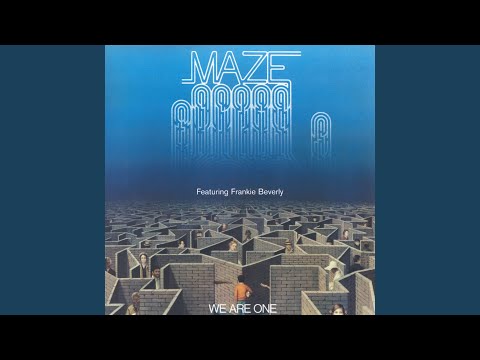
The song was released as part of Maze's debut album, simply titled Maze Featuring Frankie Beverly, which came out on Capitol Records in 1977. The debut represented one of the most fully formed first albums in the soul tradition of that era, demonstrating that Beverly and his bandmates had spent their pre-fame years refining ideas rather than rushing into production. The Capitol signing itself was a significant milestone, placing Maze on a label that had historically been associated with mainstream pop but was actively expanding its roster of Black artists during the mid-1970s.
The production on "While I'm Alone" reflected the sensibility that Beverly had developed over years of playing clubs and venues in California. The arrangement leaned on interlocking guitar parts, a foundation of thick bass movement, and percussion that breathed rather than drove. Beverly's vocal approach on the track was characteristically restrained, favoring a conversational intimacy over showmanship. This choice would become the signature of Maze's entire aesthetic, distinguishing them from the more theatrical end of the 1970s soul spectrum and placing them closer in spirit to artists who prioritized emotional truth over vocal acrobatics.
Maze built its reputation largely on the strength of a live following that bordered on cult devotion, particularly in the American South and among Black communities in major urban centers. The group's touring schedule throughout the latter half of the 1970s was relentless, and "While I'm Alone" became a cornerstone of live sets that could extend well beyond the studio version's runtime. The live arrangement of the song expanded its central groove into extended instrumental passages that rewarded audiences who came prepared to stay for the full experience. This live dimension gave the song a life and cultural weight that studio chart positions alone could not fully capture.
On Billboard's R&B charts, Maze demonstrated consistent performance across their Capitol album run, with the debut and its successors earning the group steady airplay on Black radio stations nationwide. "While I'm Alone" contributed to an album campaign that established Maze as one of the more reliable draws in late-1970s soul without necessarily generating the mainstream crossover pop chart numbers that defined blockbuster success in that era. The group's relationship with their core audience was more intimate and durable than a single chart peak could represent.
The production credits for the debut album placed Beverly himself in the center of the creative process. He was not merely a vocalist fronting a hired band but the primary architect of Maze's sound, co-writing and co-producing material that felt unified in vision from first track to last. The musicians around him, including guitarist Robin Duhe, were not interchangeable session players but integral contributors to a specific group identity. This collaborative coherence showed in the finished recordings and made "While I'm Alone" feel like a band performance rather than a solo showcase with accompaniment.
By the late 1970s and into the 1980s, Maze had accumulated enough goodwill and industry credibility to consistently sell out venues that more chart-prominent acts sometimes struggled to fill. Their concert at the Lorton Correctional Complex in Virginia was recorded and later issued as a live album, demonstrating the band's commitment to documentation across diverse performance contexts. "While I'm Alone" remained a touchstone of their set lists across these years, appreciated by audiences who had come to associate the song with a specific emotional register of longing and quiet introspection.
Critics who engaged with Maze's catalog often noted the way the group combined elements of Philadelphia soul warmth with a West Coast looseness that made their recordings feel unhurried. "While I'm Alone" exemplified this balance, moving at a tempo that invited careful listening rather than passive reception. The decision to foreground feeling over spectacle was a deliberate one, and it paid dividends in the form of audience loyalty that endured well past the 1977 debut year. Maze's debut remains one of the defining documents of mid-1970s soul funk, and "While I'm Alone" is central to that assessment.
The song's cultural longevity is also attributable to its frequent appearance in sample-based music of subsequent decades. Producers working in hip-hop and neo-soul found in Maze's recordings a rich source of melodic and rhythmic material, and "While I'm Alone" was among the tracks that attracted this secondary creative attention. Each sampling or interpolation introduced the original to new audiences who might then trace the material back to its source, extending the song's reach across generational lines in ways that Beverly and his collaborators could not have anticipated in 1977.
02 Song Meaning
While I'm Alone — Maze Featuring Frankie Beverly: Meaning
"While I'm Alone" operates in the emotional territory that Maze featuring Frankie Beverly made their own during the late 1970s, a zone of quiet vulnerability where longing is expressed not through theatrical excess but through the patient, measured language of everyday feeling. The song addresses the experience of solitude as it relates to romantic attachment, specifically the way absence amplifies awareness of another person's importance. When the noise of daily life recedes and the protagonist is left with only his own thoughts, the emotional truth of what he feels for someone becomes impossible to avoid or suppress.
Beverly's lyrical approach throughout the song is notable for its directness. There are no elaborate metaphors or rhetorical flourishes obscuring the central sentiment. The narrator simply articulates, in plain and accessible language, what occupies his mind when he is left alone. This plainness is not a limitation but a deliberate artistic choice, one consistent with Frankie Beverly's songwriting philosophy across the Maze catalog. The emotional weight of the piece derives from its refusal to dress simple feelings in complicated clothing. The listener is invited to recognize themselves in the situation because it is described without pretension.
The arrangement reinforces the lyrical tone at every level. The groove is warm but unhurried, never pressing toward a climactic release that would transform contemplative feeling into something more urgent. This musical patience mirrors the psychological state the lyrics describe, the kind of slow, persistent awareness that settles in during quiet hours. Instrumentally, the song creates a space that feels private, as if the listener is overhearing something not meant for public performance. This quality of intimacy is one of the defining emotional signatures of Maze's entire aesthetic and is particularly concentrated in this track.
In the context of 1970s soul and funk, the song's emotional register was distinctive. Much of the commercial output from that era favored either celebratory dance-floor energy or dramatic romantic suffering. Maze, and "While I'm Alone" in particular, staked out a middle ground that acknowledged the complexity of real emotional experience, which rarely fits neatly into celebration or despair. The song presents a narrator who is not broken by longing but simply made more aware by it, a portrait of feeling that resonates with particular authenticity.
For Beverly's artistic catalog, "While I'm Alone" represents an early statement of the values that would define Maze for decades. The group never chased trends in ways that compromised the emotional honesty of their material, and this track from the 1977 debut established that commitment from the outset. Audiences who found the song meaningful in 1977 tended to remain connected to it precisely because it described an experience that does not age: the way solitude clarifies what matters. That universality, grounded in the specific sonic language of late-1970s soul, accounts for the song's continued resonance across generations of listeners who discovered it at different points in their own lives.
→ More from Maze Featuring Frankie Beverly
View all Maze Featuring Frankie Beverly hits →

→ More from the 1970s File
View all 1970s hits →




Keep digging