The 1970s File Feature
And The Grass Won't Pay No Mind
And The Grass Won't Pay No Mind by Mark Lindsay Picture the dawn of the 1970s, when a charismatic frontman stepped out from one of the most successful bands …
01 The Story
"And The Grass Won't Pay No Mind" by Mark Lindsay
Picture the dawn of the 1970s, when a charismatic frontman stepped out from one of the most successful bands of the 1960s to pursue a solo career. Mark Lindsay had been the dynamic lead singer of Paul Revere and the Raiders, one of the era's most popular acts. As the new decade began, he launched a solo career, and "And The Grass Won't Pay No Mind," a Neil Diamond composition, showcased his smooth voice in a tender, romantic setting.
From Frontman to Solo Star
Mark Lindsay had risen to fame as the charismatic lead singer of Paul Revere and the Raiders, a band whose energetic rock and television exposure made them enormously popular in the 1960s. As the decade ended, Lindsay pursued a solo career, stepping out on his own to showcase his distinctive voice. His solo work allowed him to explore smoother, more romantic material than the band's energetic rock. "And The Grass Won't Pay No Mind" came during this solo period, demonstrating his appeal as a romantic balladeer. His transition from band frontman to solo artist marked a new chapter in his career.
A Tender Neil Diamond Composition
"And The Grass Won't Pay No Mind" was written by Neil Diamond, one of the era's most gifted songwriters. The song was a tender, romantic piece, and Lindsay brought his smooth, expressive voice to the material. The intimate, poetic quality of Diamond's writing suited Lindsay's solo direction, allowing him to showcase a more sensitive, romantic side. That combination of Diamond's songwriting and Lindsay's smooth voice gave the song its appeal, a tender ballad delivered with warmth and feeling.
A Solid Chart Run
On the Billboard Hot 100, "And The Grass Won't Pay No Mind" performed respectably. It debuted at number 96 on September 19, 1970, then climbed steadily, reaching number 84, then 76, then 67 over successive weeks. The song continued to rise, reaching number 57 and eventually peaking at number 44 on November 14, 1970. It enjoyed real staying power, spending 12 weeks on the chart, a solid showing that confirmed Lindsay's viability as a solo artist.
Part of a Solo Career
Mark Lindsay's solo career allowed him to explore a smoother, more romantic side of his talent, and "And The Grass Won't Pay No Mind" is a fine example of that work. The song showcased his expressive voice and his ability to deliver a tender ballad with feeling. His success as a solo artist demonstrated his appeal beyond his work with the Raiders. For fans of early-1970s pop and of Lindsay's smooth voice, the song remains a warm and rewarding listen.
The Singer-Songwriter Influence
The song reflects the growing influence of the singer-songwriter movement and the more introspective, poetic style of songwriting that flourished at the turn of the 1970s. Neil Diamond was among the era's most gifted writers, crafting songs of real emotional and poetic depth. Mark Lindsay's decision to record such material reflected the changing tastes of the time, as audiences increasingly embraced thoughtful, romantic songs delivered with sensitivity. "And The Grass Won't Pay No Mind" embodies that shift, a tender, poetic ballad far removed from the energetic rock of Lindsay's band days. The song stands as an example of how a 1960s rock frontman could evolve to embrace the more introspective, romantic style of the new decade. Many artists who had thrived in the energetic pop and rock of the 1960s faced the challenge of adapting to the more thoughtful, singer-songwriter sensibility that emerged at the turn of the decade, and Lindsay navigated that transition with genuine grace and skill.
Press play and let the smooth voice of a 1960s star deliver a tender, poetic ballad. Some singers reveal surprising new depths when they step out on their own.
"And The Grass Won't Pay No Mind" — Mark Lindsay's singular moment on the 1970s charts.
02 Song Meaning
The Meaning Behind "And The Grass Won't Pay No Mind"
"And The Grass Won't Pay No Mind" is a tender, poetic song about intimate love and the private world shared by two people, where the outside world fades away and only the lovers matter. Its meaning lies in its romantic intimacy, the sense of a love so complete that nothing else, not even the grass, takes any notice. It is a song about devotion, intimacy, and the private universe of two people in love.
A Private World of Love
At its heart, the song describes the intimate, private world shared by two lovers, a space where only they matter. That sense of a private world is the core of the song, capturing the feeling of being so absorbed in love that the outside world disappears. The lovers exist in their own universe, indifferent to everything beyond their connection.
Indifference of the World
The poetic title suggests that the world, represented by the grass, takes no notice of the lovers, an image of nature's indifference to human passion. That image of the unheeding world gives the song its poetic depth, suggesting that the lovers' intimacy is theirs alone, unobserved and unbothered by anything outside it. Their love unfolds in private, beyond the notice of the world around them.
Intimacy and Devotion
Running through the song is a deep sense of intimacy and devotion, the closeness of two people fully absorbed in their love. That intimate devotion gives the song its tender warmth, celebrating the profound connection between lovers. It captures the feeling of a love so complete that it creates its own private sanctuary.
Poetic Romanticism
The song's meaning is shaped by its poetic, romantic quality, the imaginative imagery of Neil Diamond's writing. That poetic sensibility elevates the song beyond a simple love song, giving it a literary, evocative quality. The imagery of the indifferent grass adds a layer of poetic beauty to the celebration of intimate love.
Smooth Delivery of Tenderness
Much of the song's meaning is carried by Mark Lindsay's smooth, expressive delivery, which brings genuine tenderness to the romantic theme. That warm, sensitive delivery embodies the intimacy the song celebrates, making the private world of the lovers feel real and inviting. His voice conveys the depth of feeling at the song's heart.
Why It Resonated
The song connected because its celebration of intimate love speaks to a universal romantic longing. Everyone cherishes the idea of a love so complete that it creates its own private world. Its poetic, tender exploration of intimacy, delivered with Lindsay's smooth voice, spoke to that longing. The song captured the private universe of two people in love with poetic beauty and warmth, and that romantic intimacy is exactly what gave it its appeal.
→ More from Mark Lindsay
View all Mark Lindsay hits →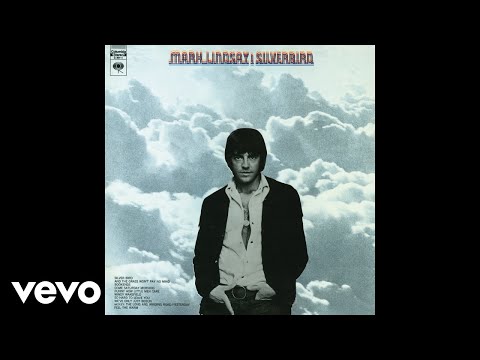

→ More from the 1970s File
View all 1970s hits →




Keep digging