The 1970s File Feature
Groovy People
"Groovy People" — Lou Rawls (1976) Philadelphia Soul Meets a Master Vocalist There was a particular warmth to the sound coming out of Philadelphia in the mid…
01 The Story
"Groovy People" — Lou Rawls (1976)
Philadelphia Soul Meets a Master Vocalist
There was a particular warmth to the sound coming out of Philadelphia in the mid-1970s, something that distinguished it from every other form of soul being made anywhere in America. The orchestras were lush and sympathetic, the arrangements breathing around the vocals with an elegant generosity, and the overall effect was of music that felt simultaneously sophisticated and deeply human. When Lou Rawls arrived in that environment, the combination made immediate sense. His baritone had always been one of the most recognizable and emotionally textured voices in American music, and the Philadelphia sound was a setting built for exactly that kind of voice.
By 1976, Rawls had been recording for over a decade, building a reputation as one of the great interpreters in the tradition of American vocal music. His early career had combined blues influence with jazz sophistication and soul passion, giving him a range that few singers could match. The move toward the Philadelphia International Records sound represented a strategic and artistic alignment that would produce the commercial breakthrough of his career.
The Philadelphia International Machine
"Groovy People" was part of the creative output that emerged from Rawls's work with Philadelphia International Records, the label founded by Kenny Gamble and Leon Huff that had become the dominant force in American soul through the first half of the 1970s. Gamble and Huff's production philosophy emphasized sophisticated orchestration, melodic accessibility, and a warmth of feeling that distinguished their work from the harder-edged funk of some contemporaries. Lou Rawls's voice was ideally suited to that philosophy: rich, controlled, and capable of communicating genuine emotion without sacrificing technical elegance.
The arrangement on "Groovy People" showcased the Philadelphia International house style at full effectiveness: the strings and brass working together to create a sonic environment that supported and celebrated the vocal rather than competing with it. The rhythm section maintained the groove that gave the track its title, and the whole production breathed with the relaxed confidence of musicians and producers who knew exactly what they were doing.
The Chart Performance of October 1976
The single entered the Billboard Hot 100 on October 16, 1976, at number 88. The fall of 1976 was a period of intense commercial activity on the pop charts, with disco beginning its ascent toward full chart dominance and the Philadelphia soul sound that had preceded it still commanding significant radio attention. "Groovy People" climbed through October, ascending to 78 the following week and then 68 the week after. It reached its peak of number 64 on November 6, 1976, and spent five weeks on the Hot 100 in total.
That chart position represented only one dimension of the single's commercial story. On the R&B chart, where Rawls's reputation and the Philadelphia International sound were even stronger forces, the record performed considerably better, reaching audiences who had been following his work for years and were primed for everything that the label and its artists were producing.
Lou Rawls at Mid-Career
The mid-1970s were a transitional period for Rawls in the best sense: the earlier phase of his career had established his artistic credibility, and the Philadelphia International partnership was now delivering the commercial recognition that his talent had always warranted. His 1976 album All Things in Time, which produced the massive crossover hit "You'll Never Find Another Love Like Mine," represented the peak of this partnership and one of the highest commercial moments of his career.
"Groovy People" appeared in the context of that productive period, a single that captured the relaxed confidence of an artist fully in his element. The track did not aim for the emotional depth of his most ambitious recordings; instead it offered something equally valuable: a groove built for enjoyment, a vocal performance delivered by someone who had mastered every element of his craft.
The Enduring Voice
Lou Rawls continued recording and performing into the 2000s, his voice maintaining its distinctive quality across decades. His contribution to American soul music extended well beyond any single chart position: he was a vocalist whose mastery of phrasing and tone influenced generations of singers and whose catalog represented a sustained creative achievement of the highest order.
"Groovy People" captures him at a particular moment of commercial and artistic confidence. Turn it up and let that baritone settle into the room like the warmth it was designed to bring.
"Groovy People" — Lou Rawls's singular moment on the 1970s charts.
02 Song Meaning
The Meaning Behind "Groovy People" — Lou Rawls
Community and Belonging in Mid-1970s Soul
The language of "grooviness" in American popular culture had specific roots. Emerging from jazz culture in the 1940s and 1950s, it migrated into soul and R&B as a term for a particular quality of ease and authenticity, for people who existed in harmony with themselves and with others. A song titled "Groovy People" was invoking that tradition directly, celebrating a kind of human community defined by its relaxed confidence and its capacity for genuine connection.
The lyrical content of the track engaged with ideas of positive social identity, of finding and celebrating the people around you who share a quality of warmth and genuine feeling. In the context of mid-1970s soul music, this was not a trivial theme. The decade had been one of significant social fragmentation, and music that affirmed community and shared identity served an important cultural function for the audiences that consumed it.
The Philadelphia International Philosophy
Kenny Gamble and Leon Huff had built Philadelphia International Records on a particular vision of Black American music: sophisticated, socially aware, musically ambitious, and committed to the emotional and spiritual dimensions of the soul tradition. Their production philosophy extended to the choice of material and the way that material was framed. Even in a track as apparently celebratory as "Groovy People," the Philadelphia International sensibility brought a quality of thoughtfulness to the celebration, suggesting that the people being praised were worthy of genuine admiration rather than mere party endorsement.
This was part of what distinguished Philadelphia International from some of its contemporaries: the sense that the music was asking something of its listeners, inviting them into a certain quality of attention and feeling rather than simply entertaining them passively. Lou Rawls's voice was ideally suited to carry that invitation, his baritone conveying depth even in lighter material.
Lou Rawls and the Art of the Groove
Rawls's vocal approach on tracks of this kind demonstrated a mastery of what might be called the art of apparent effortlessness. The ease with which he moved through the melody concealed the technical control that made that ease possible: the breath management, the precise control of dynamics, the ability to shade a phrase with emotional color without pushing it into obvious display. Listening carefully to his performance reveals a craftsman at work, though the surface experience is of a voice that simply flows naturally through the material.
This quality, the ability to make difficulty look easy, was what separated the great soul vocalists from the merely competent ones. Rawls had it fully formed by the mid-1970s, the product of decades of performing and recording across multiple styles and contexts.
The Social Function of Celebratory Soul
Not all of the most significant music is serious in its subject matter. Some of the most important work that soul music did for its audiences was provide a space of uncomplicated pleasure, an affirmation that joy was accessible and that shared celebration had value. "Groovy People" served this function with characteristic Philadelphia International quality: the groove was genuine, the warmth was real, and the experience of listening was one of being included in something genuinely pleasurable.
In 1976, with economic hardship affecting many of the communities that most closely followed soul music, a record that affirmed community and celebrated the simple quality of being among good people carried real emotional weight. Lou Rawls understood that weight and delivered it with the warmth and ease that defined his finest work.
→ More from Lou Rawls
View all Lou Rawls hits →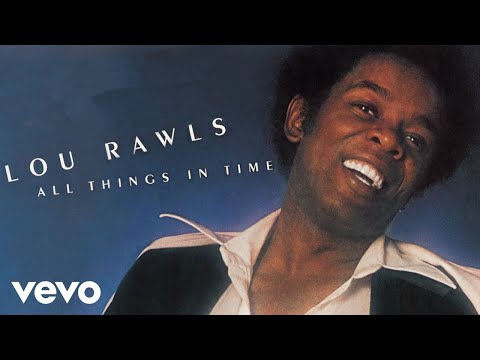

→ More from the 1970s File
View all 1970s hits →




Keep digging