The 1970s File Feature
Back To The Island
Back To The Island — Leon Russell: Chart History and Recording Context Leon Russell was, by 1976, one of the most accomplished and versatile figures in Ameri…
01 The Story
Back To The Island — Leon Russell: Chart History and Recording Context
Leon Russell was, by 1976, one of the most accomplished and versatile figures in American popular music: a session pianist, songwriter, arranger, and recording artist whose fingerprints were on an enormous range of classic recordings from the 1960s onward. "Back To The Island," released in 1976 on Paradise Records through Warner Bros., appeared at a moment when Russell's commercial fortunes were shifting, and the song represented a characteristically personal creative statement from an artist who had never been easily categorized.
Russell had launched Paradise Records as an independent venture, giving himself a degree of artistic autonomy that major-label deals rarely permitted. The Warner Bros. distribution arrangement provided national reach while allowing Russell to maintain control over his recording decisions. This combination of independence and infrastructure was increasingly common among established artists in the mid-seventies, and Russell used it to pursue a somewhat more introspective and country-influenced direction than his earlier work.
"Back To The Island" emerged from this creative environment as a song that reflected Russell's deepening engagement with themes of rootedness and escape, a longing to return to a simpler or more authentic mode of existence. The recording featured Russell's characteristic piano work and his weathered, emotionally direct vocal style, qualities that had made him an in-demand collaborator for artists from Joe Cocker to George Harrison throughout the late sixties and early seventies.
The production aesthetic of "Back To The Island" was warm and relatively uncluttered compared to some of the more elaborately arranged work Russell had been associated with during the Shelter Records period. Leon Russell produced the track himself, consistent with his established practice of maintaining control over his own recording projects. The song's arrangement allowed his piano playing to remain central, with supporting instrumentation that complemented rather than competed with his vocal performance.
Russell's commercial standing in 1976 was an interesting case study in how rapidly the pop landscape was shifting. His 1971 album Leon Russell and the Shelter People had been a genuine commercial and critical success, and his concert film and live album Leon Live had demonstrated his ability to command stadium-scale audiences. By the mid-seventies, however, the mainstream had moved somewhat away from the earthier rock and soul hybrid that Russell personified, and his chart presence on the Hot 100 was more modest.
"Back To The Island" received airplay on country-leaning and adult contemporary stations, where Russell's crossover appeal was most consistent. His ability to straddle rock, country, soul, and gospel had always made format classification difficult, and by 1976 that hybridity was both an artistic strength and a commercial complication in a radio landscape increasingly organized around narrow format categories.
The song appeared on the album Will O' The Wisp, which Russell released in 1975, with "Back To The Island" serving as a single the following year. The album represented Russell in a relatively reflective mode, drawing on influences from classical music and traditional American forms alongside the more familiar rock and gospel elements of his sound. Critics who followed Russell's career closely noted the album's ambition and the emotional depth of its best moments.
In the broader context of Russell's discography, "Back To The Island" stands as a document of an artist navigating a transitional period with characteristic creative integrity. He had already contributed more to American music than most artists manage in a full career, and the relative commercial modesty of his mid-seventies work reflected a changing market rather than any diminishment of his talent. The song's appeal to listeners who valued authenticity and musical substance over chart-optimized polish has given it a durable quality that outlasted its immediate commercial moment.
Leon Russell's remarkable career as a session player included work on recordings for the Wrecking Crew, with artists including Frank Sinatra, Ike and Tina Turner, and the Beach Boys, making his transition to front-of-stage artist all the more singular. "Back To The Island" captures him in a characteristically personal moment, using his music to work through themes that mattered to him regardless of commercial calculation.
02 Song Meaning
Back To The Island — Themes, Meaning, and Emotional Register
"Back To The Island" draws on one of the oldest and most persistent themes in American popular music: the desire to escape the complications of modern life and return to a place of greater simplicity and emotional authenticity. In Russell's hands, the island of the title functions less as a literal geographic destination than as a psychological and spiritual condition, a state of being that the narrator associates with clarity, peace, and a more direct relationship with experience.
The song belongs to a specific tradition within the rock and country crossover music of the 1970s, one that used pastoral and geographical imagery to articulate anxieties about modernity, commercialism, and the costs of ambition. Leon Russell's own biography gave this kind of lyrical content particular weight. He had moved from Tulsa, Oklahoma to Los Angeles, experienced the full machinery of the American music industry from the inside as both session player and star, and by 1976 had every reason to be reflective about what had been gained and lost along the way.
The emotional register is wistful rather than bitter, a distinction that matters considerably. The narrator does not indict the world he is trying to leave behind so much as express a genuine longing for an alternative. There is a gentleness to the song's emotional stance that reflects Russell's musical roots in gospel and soul, traditions that tend to find pathos in aspiration rather than anger in disappointment. The piano-centered arrangement reinforces this quality, with Russell's keyboard playing establishing a tone of reflective sadness that undercuts any possibility of the song becoming merely nostalgic or escapist.
For Russell's catalog, the song represents his mature philosophical voice. His earlier work had been more outwardly energetic, channeling the communal spirit of the early-seventies rock festival culture and the physical exuberance of his live performances. By 1976, that energy had given way to something more inward, a sustained examination of what endures and what matters when commercial pressures and cultural fashion shift away from an artist. "Back To The Island" is a song written from that place of enforced reflection, and it carries the emotional credibility that comes from genuine experience.
The island imagery also connects to a broader set of mid-seventies cultural preoccupations. The ecological and back-to-the-land movements of the period had given geographic retreat a kind of political and philosophical legitimacy it had not previously had in mainstream culture. Songs about returning to simpler places and simpler modes of living resonated with audiences who were themselves questioning the values of postwar consumer society. Russell's version of this theme is personal rather than ideological, but it participates in the same cultural conversation.
What distinguishes "Back To The Island" from lesser treatments of similar themes is Russell's musical authority. He was not an artist who needed to romanticize simplicity because he had never experienced it; he was someone who had genuinely earned his disillusionment and was using his craft to work through it honestly. That biographical authenticity gives the song's longing for return a quality of earned melancholy that mere sentiment could not achieve, and it is what has allowed the track to retain its emotional resonance for listeners who encounter it decades after its original release.
→ More from Leon Russell
View all Leon Russell hits →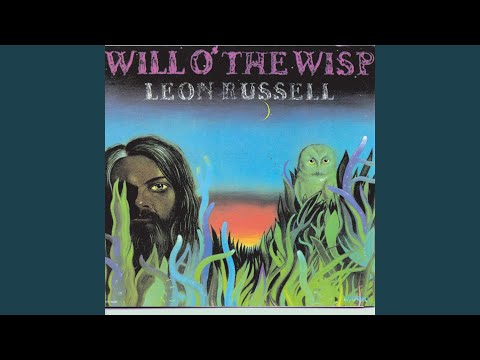

→ More from the 1970s File
View all 1970s hits →




Keep digging