The 1970s File Feature
Sweet Music Man
"Sweet Music Man" — Kenny Rogers and the Art of Vulnerability The Country Crossover King Turns Introspective Late 1977 found Kenny Rogers at a career inflect…
01 The Story
"Sweet Music Man" — Kenny Rogers and the Art of Vulnerability
The Country Crossover King Turns Introspective
Late 1977 found Kenny Rogers at a career inflection point. He had been operating in country music for years, first as a member of The First Edition and then as a solo artist, but the truly massive crossover success that would define his late career, the hits like "The Gambler" and "Lucille," was just beginning to crystallize. He was recognizable, respected, commercially active, but not yet the pop-country phenomenon he would become over the next several years. In that context, "Sweet Music Man" arrived as something slightly unexpected: a deeply personal, slow-burning ballad that asked an artist who was primarily known for performing to turn that performer's life into the subject of his art.
A Song Written by Kenny Rogers
"Sweet Music Man" was written by Kenny Rogers himself, which distinguished it from much of his recorded output. He was primarily known as an interpreter of other writers' material, someone with an exceptional talent for finding the emotional center of a song and communicating it to the widest possible audience. Writing his own material was a less frequent exercise, which made "Sweet Music Man" a more direct autobiographical statement than most of his recordings. The song addresses a musician, almost certainly a self-portrait, describing his relationship to his craft and the costs that commitment to music imposes on personal relationships.
The lyrics depict the "sweet music man" as someone who can move audiences and captivate rooms but cannot sustain intimate connections. His gift is also his limitation: the same qualities that make him compelling as a performer, his restlessness, his need for an audience, his identification with his music above all else, prevent him from being fully present in a personal relationship. The narrator observes this with a mixture of admiration and sadness, describing someone caught between two kinds of love that cannot be fully reconciled.
Chart Performance
The single debuted on the Billboard Hot 100 on December 17, 1977, entering at number 84. It climbed through the holiday season: 73, held at 73, then 62, then 51. The track peaked at number 44 on the Billboard Hot 100 during the week of January 28, 1978, completing an eight-week run on the chart. The song performed considerably more strongly on the country charts, where Rogers's core audience was concentrated and where its subject matter had particular resonance among listeners whose relationship to country music was itself personal and devoted. On the country side, the track reached the top five, confirming that Rogers's existing audience connected deeply with the introspective, self-aware content.
The Country-Pop Landscape of 1977-1978
The late 1970s saw country music in an active conversation with the pop mainstream. The countrypolitan sound that had been developing since the late 1960s had created a production aesthetic that was friendly to both country radio and pop radio, with lush orchestration and production values that could travel across format boundaries. Rogers was one of several artists navigating that crossover territory with genuine commercial success. "Sweet Music Man" fits within that tradition, a song that is identifiably country in its emotional vocabulary and storytelling approach but produced with sufficient polish to function on pop radio.
A Portrait of the Artist
The song remains one of Rogers's most personal recordings, distinguished by the unusual directness with which it examines the psychology of the performing life. In an era of country music that frequently addressed the costs of that life, including the road, the drinking, the broken marriages, Rogers's version was notable for its analytical precision and its empathy for its own subject. Press play and hear the man behind the voice thinking carefully about what it means to be the man behind the voice.
"Sweet Music Man" — Kenny Rogers's singular moment on the 1970s charts.
02 Song Meaning
"Sweet Music Man" — Kenny Rogers: Themes and Emotional Depth
The Performer's Paradox
"Sweet Music Man" examines a paradox that anyone who has known a dedicated performing artist will recognize: the same qualities that make someone magnetic on stage, the need to communicate, the emotional availability, the restlessness and hunger for connection with an audience, can make them difficult to sustain as partners in ordinary life. The song articulates this paradox with unusual clarity and without condemnation. The music man is not depicted as selfish or careless; he is depicted as someone whose gifts and needs are genuinely incompatible with what a close personal relationship requires. That distinction between fault and incompatibility gives the song its emotional sophistication.
Self-Examination in Country Music
Country music has a long tradition of songs that address the performer's life as subject matter: the road, the audiences, the loneliness of touring, the difficulty of maintaining relationships across distances. Rogers's contribution to that tradition through "Sweet Music Man" was the analytical precision of the self-portrait. Rather than simply cataloging the costs of the performing life, the song tries to understand why those costs are inherent to the form, why someone who can move a room full of strangers might find it structurally difficult to maintain the sustained, quiet attention that intimate relationships require. That analytical dimension elevates the song above the conventional lament.
The Music and the Man
The song is addressed to the music man in second person, which creates an interesting formal distance. The narrator is not simply confessing to being this person; the narrator is observing this person, describing him, understanding him, which implies both intimacy (close enough to see clearly) and separateness (not fully identified with him). That formal complexity mirrors the emotional complexity of the relationship being described: close enough to love and admire this person, separate enough to see the problem clearly. Whether the narrator is a former partner, a sympathetic observer, or the artist regarding himself from a necessary distance, the perspective gives the lyric a thoughtfulness that simple confession might have lacked.
Why the Song Connected
Country music audiences in the late 1970s had a particular relationship to the performing life because many of them had personal experience with musicians or had observed that world from close proximity. The country music community of that era was still relatively small and geographically concentrated, with Nashville at its center. Songs that addressed the internal experience of the musician's life with honesty and empathy found receptive audiences among listeners who knew something about those experiences from their own lives or communities. Rogers's ability to articulate that experience with precision and without sentimentality made the song resonate.
The track also speaks to a universal experience that extends beyond music: the recognition that gifts can be liabilities, that the qualities we most admire in someone can be the same qualities that make relationships with them difficult. That more general truth ensures the song's emotional accessibility for listeners with no particular connection to the music world.
→ More from Kenny Rogers
View all Kenny Rogers hits →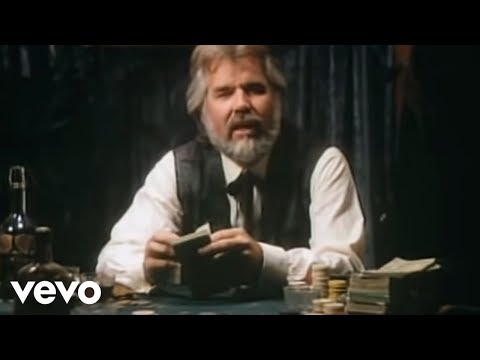




→ More from the 1970s File
View all 1970s hits →




Keep digging