The 1970s File Feature
Chain Gang Medley
The Story Behind Chain Gang Medley by Jim Croce There is a particular ache to hearing a Jim Croce single climb the charts in 1976, because by then the warm-v…
01 The Story
The Story Behind "Chain Gang Medley" by Jim Croce
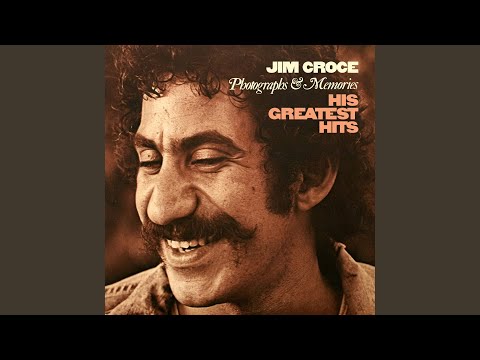
There is a particular ache to hearing a Jim Croce single climb the charts in 1976, because by then the warm-voiced storyteller had already been gone for more than two years. Croce died in a plane crash in September 1973, just as his star was reaching its brightest, and his record label continued releasing material from his vaults afterward. "Chain Gang Medley" arrived in this bittersweet posthumous window, a reminder of a voice the public was not ready to lose. To hear it is to feel both the easy charm of the man and the shadow of what might have been.
A Voice Cut Short
Jim Croce had spent years grinding before his breakthrough, working ordinary jobs and writing songs steeped in the lives of everyday people. When success finally came with hits built around vivid characters and gentle melodies, it came fast. Croce died on September 20, 1973, leaving behind a catalog that radio and listeners kept returning to. The continued release of his recordings through the mid-1970s kept his presence alive, and "Chain Gang Medley" was part of that ongoing conversation with an audience that mourned him.
The Sound of the Medley
True to its name, the track stitches together familiar material into a single flowing performance, anchored by Croce's conversational warmth and unfussy delivery. His longtime musical partnership with guitarist Maury Muehleisen, who died alongside him, had given his recordings an intimate, two-men-and-their-guitars quality, and that closeness lingers in his posthumous releases. The arrangement leans on acoustic textures and Croce's unmistakable phrasing. It feels like a man sitting across from you, telling a story he has told before and you are glad to hear again. That conversational intimacy was central to his charm, the sense that he was singing to you personally rather than to an arena. Few performers of his era projected that kind of closeness so naturally, and it survives in every recording he left behind.
The Chart Run in 1976
The single performed respectably for a posthumous release. "Chain Gang Medley" debuted on the Billboard Hot 100 at number 87 on January 3, 1976, then climbed steadily through the winter. It reached its peak of number 63 on February 7, 1976, a solid showing for a catalog artist no longer able to promote his work. The song spent nine weeks on the Hot 100, longer than many releases by living acts that season, evidence that Croce's audience remained loyal and large well after his death. Posthumous singles can feel like marketing afterthoughts, but the steady climb here suggests genuine affection rather than mere curiosity. People kept reaching for his voice because they missed it, and the chart followed their hearts. A near-three-month run for a catalog release was no small feat in a fast-moving singles market.
A Legacy of Everyday Stories
Croce's enduring appeal rests on his gift for character and detail, his songs populated by working people, tough guys and the heartbroken. His catalog remained a fixture of soft-rock and folk radio for decades, his biggest hits becoming standards. "Chain Gang Medley" sits as a footnote to that legacy, but a telling one, proof that his voice could still find listeners years after he was gone. The man wrote about ordinary life with extraordinary tenderness, and that gift outlived him.
Why It Still Moves People
Listening today, you hear the unpretentious humanity that made Croce beloved. There is no studio trickery, only a singer and his songs. The posthumous context adds a layer of poignancy that the recording itself never asks for. His best-known songs have become standards, played at weddings and on road trips for half a century now, a testament to how deeply they lodged in the culture. This single may be a lesser-known corner of that catalog, but it carries the same warmth. Press play and spend a few minutes in the company of a storyteller the world lost too soon.
"Chain Gang Medley" — Jim Croce's singular moment on the 1970s charts.
02 Song Meaning
The Meaning Behind "Chain Gang Medley" by Jim Croce
A medley by its nature is about connection, weaving separate songs into one continuous thread. In Jim Croce's hands, that approach takes on added meaning, because his entire artistry was built on linking ordinary lives into something universal. "Chain Gang Medley" carries the warmth and empathy that defined his work, filtered through the poignancy of his early death.
Empathy for the Working Person
Croce's songs consistently centered people on the margins and in the daily grind. His sympathy for the laborer and the underdog runs through his catalog, and a medley evoking chain gangs taps that same vein of compassion. The emotional message is one of solidarity with those who toil, delivered without preaching.
Storytelling as Heart
More than melody, Croce traded in story. His characters felt real and lived-in, drawn with affection and a novelist's eye for detail. Even in a medley format, that instinct for human texture shines through, turning a string of songs into a small portrait gallery of American life. His characters were never cartoons; they had weaknesses and dreams and the kind of stubborn dignity that makes fictional people feel real.
The Weight of Posthumous Release
Context shapes meaning, and this single reached listeners who knew its singer was gone. The recording became an act of remembrance, every familiar phrase carrying the ache of loss. That made the song resonate not only for its content but for what it represented, a final visit with a beloved voice. There is a particular weight to hearing someone sing when you know they are gone, and that weight settles over this recording whether the song intends it or not.
The Voice of the Common Man
Croce wrote and sang for ordinary people in plain, unguarded language. His work treated working lives with dignity, never condescending and never romanticizing. That respect is part of the song's emotional message, an affirmation that the small struggles of everyday existence deserve a hearing.
Why It Connected
Audiences in 1976 still felt Croce's absence keenly, and the single offered comfort. His unforced sincerity made people trust him, and trust is rare in pop. Listeners returned to him because he sounded like someone who understood them, and that bond did not fade with his passing. He felt less like a star than a friend, and friends are not easily replaced.
The Enduring Sentiment
At its heart, the song reflects Croce's belief that everyday lives are worth singing about. That humane vision is his lasting gift, and it is why his music continues to find new ears decades on. The medley is a small chapter in a body of work defined by tenderness. Each new generation that discovers him finds the same warmth waiting, undimmed by the years.
→ More from Jim Croce
View all Jim Croce hits →


→ More from the 1970s File
View all 1970s hits →




Keep digging