The 1970s File Feature
I Know A Heartache When I See One
"I Know A Heartache When I See One" — Jennifer Warnes and the Art of Country-Pop The Long Road to the Charts There is a particular quality of patience embedd…
01 The Story
"I Know A Heartache When I See One" — Jennifer Warnes and the Art of Country-Pop
The Long Road to the Charts
There is a particular quality of patience embedded in the chart history of "I Know A Heartache When I See One." Jennifer Warnes debuted the song on the Billboard Hot 100 on June 30, 1979, entering at position 89. From there, across the long arc of summer and into autumn, the track climbed. Week by week it worked its way through the chart's middle terrain, and by November 10, 1979, it had reached its peak at number 19, spending a remarkable 22 weeks on the chart in total. Few songs demonstrate more clearly the power of sustained radio presence, a gradual, almost geological process by which a record finds its audience one listener at a time.
Jennifer Warnes at the Career Crossroads
By 1979, Jennifer Warnes had established herself as a vocalist of unusual range and intelligence. She had roots in folk music and connections to the singer-songwriter world of Los Angeles that defined so much of the decade's best-regarded work. Warnes had already earned respect as a session and background vocalist, working with artists across multiple genres, but a consistent solo commercial breakthrough had remained elusive. "I Know A Heartache When I See One" changed that calculus, demonstrating that her voice, warm and authoritative without ever tipping into oversell, was a genuine commercial asset in the country-pop format that was thriving at the end of the 1970s.
The Country-Pop Current
The late 1970s saw country music and mainstream pop television growing increasingly comfortable with each other. The success of artists like Crystal Gayle and Anne Murray had shown that country-inflected production could reach mainstream pop listeners without requiring them to think of themselves as country fans. "I Know A Heartache When I See One" operated in that zone. The production gave the song a polished, accessible sheen while the lyrical content and the emotional directness of Warnes's delivery kept it rooted in the storytelling tradition that country music prized. The song was written by Kerry Chater and Arnold McCuller, and its construction gave Warnes's voice the kind of clear, uncluttered showcase it deserved.
Twenty-Two Weeks of Climbing
The 22-week chart run tells a story that a simple peak position cannot. Songs that enter the Hot 100 in the high eighties and work their way to just outside the top twenty over nearly half a year are not beneficiaries of a marketing push or a sudden viral moment. They survive and climb because radio programmers keep scheduling them and because listeners keep requesting them. That longevity reflected genuine audience connection, the kind that emerges when a song's emotional content keeps resonating on repeated exposure rather than burning out after initial novelty. "I Know A Heartache When I See One" rewarded the listener who heard it on a Tuesday morning drive and then found themselves wanting to hear it again the following week.
The Foundations of a Legacy
The success of "I Know A Heartache When I See One" established Warnes as a credible solo act in the country-pop market and set the stage for the next phase of her career, which would include the Academy Award-winning "Up Where We Belong" in 1982, recorded with Joe Cocker for the film An Officer and a Gentleman. But the 1979 chart run was the proof of concept, the demonstration that her talent translated commercially. Press play and hear the voice that patient radio listeners in 1979 kept coming back to, week after week, for more than five months.
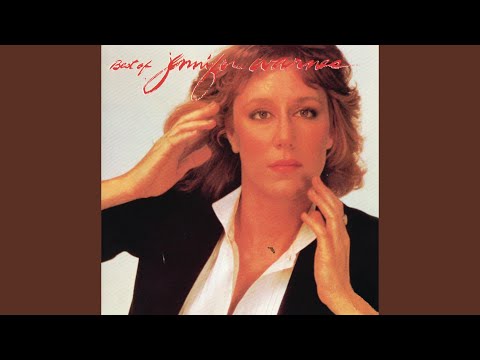
"I Know A Heartache When I See One" — Jennifer Warnes's singular moment on the 1970s charts.
02 Song Meaning
The Meaning Behind "I Know A Heartache When I See One" by Jennifer Warnes
Pattern Recognition and Self-Knowledge
"I Know A Heartache When I See One" presents a narrator who has moved past the stage of confusion that so often defines pop songs about romantic pain. The lyric does not describe someone being surprised by betrayal or unable to name what is happening to them. The voice in the song knows. The title itself functions as a declaration of hard-won emotional intelligence, the kind that accumulates through experience rather than arriving as a gift. The song's central statement is one of pattern recognition, a narrator who has learned to read the signs of a relationship in decline and who can no longer pretend otherwise.
The Late-1970s Emotional Landscape
The late 1970s produced a significant body of popular music that valued emotional self-awareness, partly as a response to the upheavals of the preceding decade and partly as a reflection of a cultural moment that was processing the practical consequences of changed social norms around relationships. Songs that placed emotional clarity and self-possession at their center found receptive audiences during this period. The popularity of singer-songwriters throughout the decade had trained listeners to expect something more analytically precise from lyric writing, and "I Know A Heartache When I See One" delivered that precision within a more commercially accessible country-pop package.
The Dignity of Departure
What distinguishes the emotional posture of the song from countless other heartache narratives is the sense of composure it maintains. The narrator is not shattered. She is clear-eyed. She names the situation for what it is and implicitly refuses to minimize or excuse it. This kind of dignified clarity was a relatively uncommon position for female narrators in late-1970s pop, where the more common emotional scripts tended toward either passive suffering or frantic recrimination. The song's quiet confidence gave it a different texture, one that Warnes's voice, rich and unhurried, communicated with particular effectiveness.
Why the Melody Served the Message
The production and melodic structure of the song worked in concert with its lyrical stance. The arrangement did not dramatize the heartache through over-produced crescendos or sudden dynamic swings. It maintained a steady, almost conversational flow that matched the narrator's emotional position. The restraint in the production reinforced the lyrical message: someone who truly knows what they are seeing does not need to perform their realization for an audience. They simply state it. That alignment between form and content gave the song a coherence that sustained listener interest across its long radio life.
A Template for Emotional Honesty
The song's enduring quality lies in its refusal to sentimentalize or dramatize an experience that most listeners would recognize from their own lives. Heartache is common; the clarity to name it without flinching is less so. "I Know A Heartache When I See One" gave listeners permission to acknowledge what they already understood, wrapped in a melody accessible enough to hear on a country-pop radio station between other, less demanding songs. That combination of accessibility and emotional precision explains why 22 weeks on the charts felt, for this particular record, entirely deserved.
→ More from Jennifer Warnes
View all Jennifer Warnes hits →


→ More from the 1970s File
View all 1970s hits →




Keep digging