The 1970s File Feature
Mexico
Mexico: James Taylor's Sun-Drenched Escape from the Gorilla Sessions James Taylor recorded "Mexico" for his 1975 album "Gorilla," and the song arrived at a m…
01 The Story
Mexico: James Taylor's Sun-Drenched Escape from the Gorilla Sessions
James Taylor recorded "Mexico" for his 1975 album "Gorilla," and the song arrived at a moment when the singer-songwriter tradition Taylor had helped define was settling into a comfortable maturity. The mid-1970s found Taylor in a stable commercial and personal groove, his earlier troubled years well behind him and his reputation as one of the era's preeminent acoustic craftsmen firmly established. "Mexico" drew on that ease, delivering a piece of music that felt genuinely relaxed rather than merely polished, the product of an artist who had found a way to channel contentment into art without making it boring.
The album "Gorilla" was released by Warner Bros. Records in June 1975, and it arrived with the commercial infrastructure of a major artist's mid-career album, full promotional support and an expectation of significant sales. Taylor co-produced the album with Russ Titelman and Lenny Waronker, two of the most respected producers working in the Los Angeles pop-rock world of the era. The recording sessions brought together an accomplished group of session musicians, and the Gorilla album as a whole carried a warmth and sonic richness that reflected both the quality of the performances and the care taken in the production. "Mexico" emerged from these sessions as one of the album's most distinctive tracks, its atmosphere of sun-baked ease standing out even in a collection defined by melodic generosity.
The song drew on Taylor's affection for the idea of Mexico as a place of escape and recalibration, a theme with deep roots in American popular culture and particularly resonant for a generation that had come of age during the turbulent late 1960s and early 1970s. Taylor had traveled in Mexico and drawn genuine inspiration from the landscape and culture, and the song reflects an authenticity of feeling rather than simple tourist romanticization. The track featured contributions from members of the Eagles, including Glenn Frey and Don Henley providing backing vocals, which gave the recording a collegial quality typical of the interconnected Los Angeles music community of the period. These were artists who genuinely knew each other and worked together across projects, and that familiarity comes through in the relaxed interplay of the vocals.
The production built around Taylor's acoustic guitar with layers of percussion, keyboards, and vocal harmonies that created a sound simultaneously sophisticated and unhurried. The rhythmic feel borrowed loosely from Latin and Caribbean musical traditions without being imitative, finding a groove that suggested the languid warmth of a southern destination without reducing the song to cultural appropriation or pastiche. It was the kind of arrangement that required considerable skill to make sound effortless, and the production team achieved that balance with apparent ease.
"Mexico" was released as a single and reached number 49 on the Billboard Hot 100, a modest chart position that reflected the song's laid-back character more than any deficiency in quality. It was not the kind of song built for aggressive radio promotion or emphatic hooks; it worked best as an album track that rewarded repeated listening, and in that context it was among the most beloved pieces Taylor had recorded to that point. Adult Contemporary radio embraced it more warmly, fitting naturally into the softer formats that were carving out significant audience share in the mid-1970s.
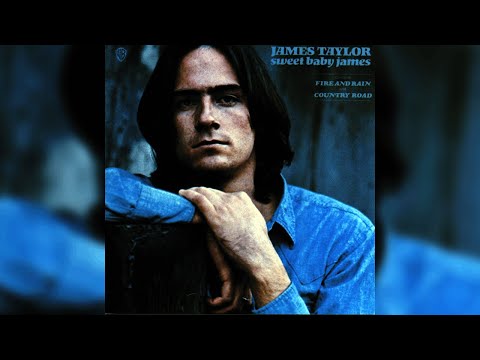
"Gorilla" itself reached number 6 on the Billboard 200, continuing the run of top-ten album placements that Taylor had maintained since his commercial breakthrough with "Sweet Baby James" in 1970. The album also included his celebrated cover of Marvin Gaye's "How Sweet It Is (To Be Loved by You)," which became one of Taylor's biggest hits and somewhat overshadowed the other tracks in the immediate commercial conversation around the record. Yet "Mexico" proved durable in Taylor's catalog, remaining a concert staple and fan favorite through the decades that followed, its easy charm aging exceptionally well.
The critical reception to "Gorilla" was generally positive, with reviewers noting that Taylor had produced a consistent and pleasurable album without the dramatic personal revelations that had marked his earlier work. Some critics found this maturity slightly disappointing, preferring the urgency of his earlier confessional mode, but in retrospect the album represents a successful negotiation with the demands of a career artist who had moved past crisis and was drawing instead on steadier emotional waters. "Mexico" stands as a prime example of that mode, a song that takes pleasure seriously as a creative subject and executes it with consummate craft.
The song also belongs to a significant strand in the American singer-songwriter tradition, the road song or travel song that uses geographical displacement as a vehicle for psychological reflection. Taylor performed "Mexico" regularly throughout his touring career of the 1970s and beyond, and it retained its freshness in live settings in part because its mood depended more on feel than on elaborate production. A guitar, a voice, and the right tempo were enough to recreate its essential quality, making it one of the more performance-proof compositions in his considerable catalog.
02 Song Meaning
Mexico: Retreat, Longing, and the Mythology of the Southern Escape
"Mexico" articulates one of the most persistent themes in American popular music: the idea that somewhere to the south, across a border or beyond a horizon, there exists a place where the weight of ordinary life lifts and something truer and more pleasurable becomes accessible. James Taylor approached this theme with characteristic emotional intelligence, grounding what could have been a generic escape fantasy in specific sensory detail and genuine personal affection for the place he describes. The song does not pretend that Mexico solves anything or that escape is permanent; it simply dwells in the fantasy of departure with a warmth that feels earned rather than manufactured.
The narrator's desire is explicitly about rest and release rather than adventure or reinvention. The Mexico imagined in the song is a place of warmth, ease, and sensory pleasure, a corrective to the grinding demands of a life lived under pressure in the American north. Taylor's genius in songs like this lay in his ability to make domestic and psychological yearning feel universal without making it vague, to write from a specific emotional position that nonetheless opened outward to include the listener's own equivalent desires. Everyone has a Mexico in some form, a place or state of being they retreat to in imagination when the present becomes too demanding.
The song also functions as a meditation on friendship and shared desire, with the narrator extending an invitation rather than merely describing a private longing. This communal dimension gives it a warmth that solo introspective songs sometimes lack, and it aligns with the collaborative spirit that characterized the Los Angeles music community in which Taylor was embedded during the mid-1970s. The Eagles members who sang harmonies on the recording were not strangers lending a commercial hand but genuine artistic peers, and the texture of the track reflects that genuine collegiality.
The musical setting reinforces the lyrical content with considerable skill. The loose rhythmic feel, the warmth of the acoustic guitar, and the layered harmonies all create a sonic environment that embodies the relaxation the lyrics describe. This alignment between form and content is what distinguishes a genuinely crafted popular song from mere pleasant noise. Taylor understood that the arrangement is itself an argument, a physical enactment of what the words are claiming.
In the context of Taylor's broader catalog, "Mexico" belongs to a category of songs that take pleasure and ease as primary subjects rather than using them as counterpoint to darker emotional material. His earlier work had drawn heavily on personal crisis, addiction, and psychological difficulty, and while those songs had an undeniable emotional power, "Mexico" represents an equally valid artistic mode: the song of contentment, of genuine pleasure in the world, of gratitude for beauty. This mode is harder to sustain in commercial pop without tipping into sentimentality, and the fact that "Mexico" avoids that trap while remaining genuinely joyful is a measure of Taylor's craft.
The song's durability in Taylor's live repertoire across five decades suggests that it touched something in his audience that outlasted its original commercial moment. Concert performances of "Mexico" have consistently drawn warm responses, audiences singing along with an enthusiasm that reflects personal attachment rather than mere nostalgia for a charted hit. The song became a kind of collective permission slip for the imagination, a brief musical holiday that Taylor and his audience could take together regardless of the year or the season.
→ More from James Taylor
View all James Taylor hits →



→ More from the 1970s File
View all 1970s hits →




Keep digging