The 1970s File Feature
I Cried
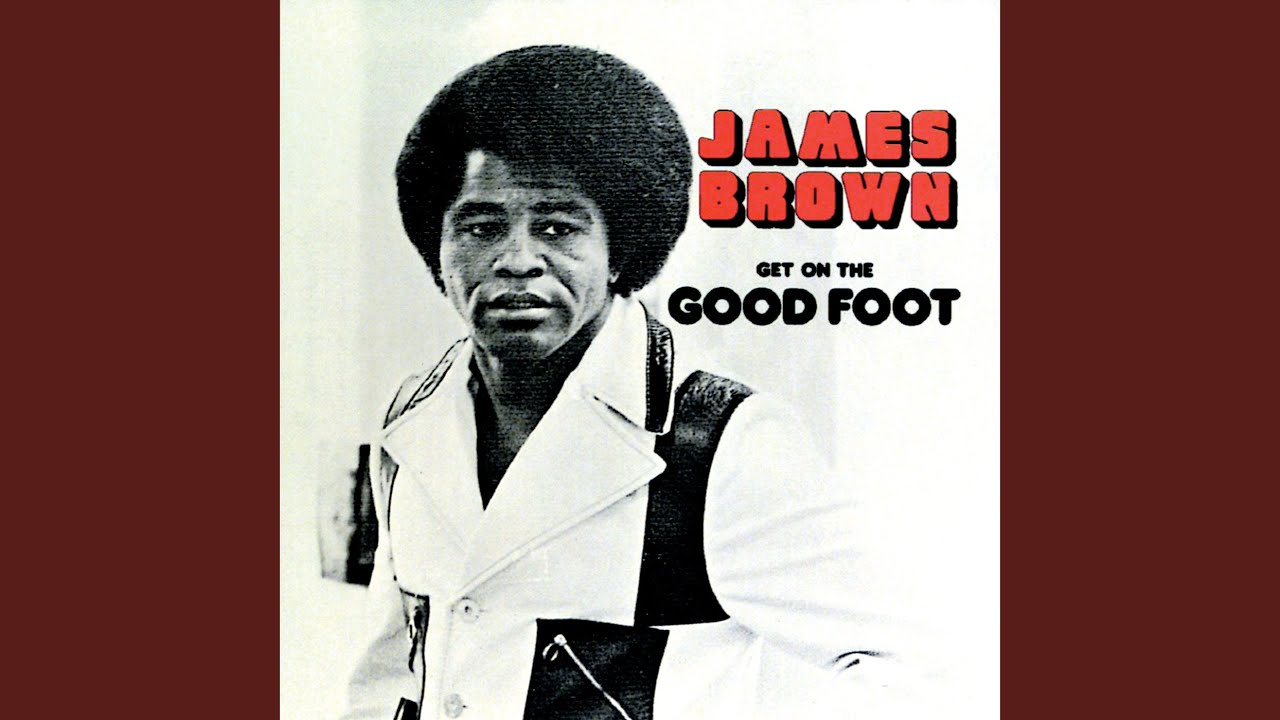
The Story Behind James Brown's I Cried The Godfather of Soul in a Reflective Mode By 1971, James Brown had already redefined American popular music multiple …
01 The Story
The Story Behind James Brown's "I Cried"
The Godfather of Soul in a Reflective Mode
By 1971, James Brown had already redefined American popular music multiple times over, moving from raw soul balladry into the driving funk innovations that would influence generations of musicians to come. This track finds him stepping back into a more traditional soul ballad mode, showcasing the vocal range and emotional depth that had first established his reputation before funk became his dominant creative language.
A Ballad Amid a Funk Revolution
Released during a period when Brown's output was increasingly defined by tightly wound funk grooves and rhythmic innovation, this song's ballad structure offered listeners a reminder of his roots in gospel-inflected soul singing. The arrangement leans on emotional vocal delivery rather than rhythmic complexity, allowing Brown's voice itself to carry the weight of the performance from start to finish.
A Modest but Notable Chart Entry
The single debuted on the Billboard chart on May 8, 1971, entering the chart and beginning a run that would eventually see it reach a peak position of number 50 during the week of May 29, 1971. The song remained on the Hot 100 for six weeks total, a solid if unspectacular showing for an artist who had already achieved far higher chart positions earlier in his career.
Part of an Extraordinarily Prolific Period
This release came during one of the most prolific stretches of Brown's recording career, when he was issuing singles at a remarkable pace across multiple styles and configurations of his backing bands. Even tracks that didn't reach the uppermost tier of the charts contributed meaningfully to his ongoing dominance of soul and R&B radio programming throughout this era.
Emotional Vulnerability From an Artist Known for Intensity
Where much of Brown's most famous work projected fierce confidence and rhythmic command, this song reveals a more vulnerable, emotionally exposed side of his artistry. That willingness to shift registers, from commanding funk architect to tender balladeer, speaks to the remarkable range Brown possessed as a vocalist throughout his decades-long career.
A Reminder of Soul's Ballad Roots
Listening to the track today offers a valuable reminder that even as Brown pushed rhythm and groove into radical new territory, he never lost touch with the emotionally direct soul balladry that had shaped his earliest recordings. The song serves as a bridge between his gospel-rooted origins and the funk innovations that would define his broader legacy.
A Reminder of Brown's Vocal Foundations
Long before he became synonymous with rhythmic innovation, Brown had built his earliest reputation as a gospel-trained vocalist capable of remarkable emotional range. This track calls back to that foundation directly, showing listeners that his funk experimentation was always built atop genuine vocal skill rather than rhythm alone, and that his catalog contains far more emotional variety than casual listeners might initially expect from an artist so strongly associated with dance-floor intensity.
A Quiet Entry in a Towering Catalog
Today, the song remains a lesser-discussed entry within Brown's massive catalog, overshadowed by his more famous funk anthems yet still valuable as evidence of his vocal versatility. Press play and you can hear one of music's most dynamic performers slowing down to explore heartbreak with genuine emotional weight. Session musicians surrounding Brown on this recording brought a restrained, empathetic touch to the arrangement, resisting the urge to overplay and instead giving his vocal performance the space it needed to carry the song's emotional core from the opening bars through to its close. Critics and fellow musicians who revisited Brown's catalog in later decades often pointed specifically to ballads of this kind as evidence that his reputation as purely a rhythm innovator undersold the fuller scope of his talent, a corrective that gained more traction as his complete discography became easier for listeners to explore.
"I Cried" — James Brown's singular moment on the 1970s charts.
02 Song Meaning
What "I Cried" by James Brown Is Really About
An Open Declaration of Heartbreak
At its center, this track is a direct, unguarded expression of grief over lost love, with the narrator openly admitting to tears and emotional devastation rather than masking pain behind bravado. That directness gives the song an emotional honesty that stands in contrast to some of the more assertive, commanding personas Brown projected elsewhere in his catalog.
Vulnerability From a Powerhouse Performer
James Brown's willingness to sing so openly about crying and heartbreak reveals a dimension of his artistry often overshadowed by his reputation as a ferociously dynamic funk performer and bandleader. Here, his voice carries aching vulnerability rather than commanding authority, proving that his emotional range extended well beyond the high-energy performances most associated with his legacy.
Soul Music's Tradition of Unfiltered Emotion
This song fits within a long tradition of soul balladry that prized emotional transparency above all else, using simple, direct language to convey heartbreak without excessive metaphor or embellishment. That approach allowed audiences to connect immediately with the song's central emotion, recognizing a familiar and deeply human experience of loss.
The Power of Vocal Delivery Over Lyrical Complexity
Rather than relying on intricate lyrical storytelling, the song leans heavily on Brown's vocal performance itself to communicate its emotional stakes, using dynamic shifts in tone and intensity to convey the depth of the narrator's pain. This vocal-forward approach reflects Brown's gospel roots, where the emotional conviction of the delivery often mattered as much as the words themselves.
A Different Side of a Multifaceted Artist
For listeners who primarily know Brown through his rhythmically explosive funk hits, this ballad offers a valuable reminder that his artistry contained genuine emotional range, capable of projecting both fierce confidence and quiet, aching sadness depending on the song's demands. That versatility helped sustain his relevance across changing musical eras.
Grief as a Universal Connector
By centering the song entirely around the simple, universal experience of crying over lost love, Brown ensured the track would remain emotionally accessible to listeners regardless of era or musical trend. The specificity of naming the emotion directly in the title makes the song's intent unmistakable from the very first listen.
A Rare Moment of Plainspoken Sorrow
Unlike songs that dress grief in elaborate metaphor, this track states its central emotion almost bluntly, letting the title itself carry the weight of what the narrator has experienced. That unadorned honesty makes the performance feel especially direct, relying on Brown's vocal conviction rather than clever wordplay to communicate exactly how deeply the loss has affected him.
Why It Still Resonates
Even set against Brown's towering funk legacy, this quieter, more vulnerable recording continues to resonate because it captures something every listener has experienced at some point: the simple, unavoidable act of crying over someone who is no longer there. That emotional universality gives the song lasting value beyond its modest chart performance.
→ More from James Brown
View all James Brown hits →



→ More from the 1970s File
View all 1970s hits →




Keep digging