The 1970s File Feature
Cat's In The Cradle
Cat's In The Cradle by Harry Chapin Some songs arrive quietly and then lodge themselves permanently in the cultural memory. Harry Chapin's Cat's In The Cradl…
01 The Story
"Cat's In The Cradle" by Harry Chapin
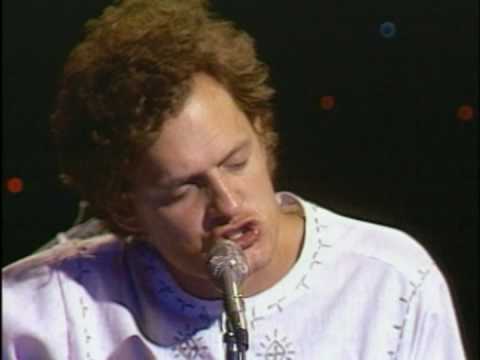
Some songs arrive quietly and then lodge themselves permanently in the cultural memory. Harry Chapin's "Cat's In The Cradle" is one of those rare records, a folk-rooted story-song that captured something so true about fathers and sons that it became a touchstone for generations. In the autumn of 1974 it climbed all the way to the top of the Billboard chart, giving Chapin the biggest hit of his career and one of the most quietly devastating singles of the decade.
A Master Storyteller Steps Forward
Harry Chapin was a singer-songwriter who built his reputation on narrative, crafting detailed, novelistic songs about ordinary lives. He was renowned for his story-songs, which unfolded like short fiction set to music, and he poured a documentarian's eye for human detail into his work. By 1974 he had established himself as a thoughtful, socially conscious artist with a gift for emotional storytelling. "Cat's In The Cradle" would become his defining statement, the song that carried his name into millions of homes.
The Sound Of A Quiet Tragedy
Musically the record is understated by design, built around a gentle acoustic foundation that lets the lyric carry the weight. The folk-pop arrangement keeps the focus squarely on the narrative, with a melody that rises and falls in step with the unfolding story. The restraint is deliberate and devastating; the song never overplays its hand, letting the plainspoken tale of a busy father and his growing son land all the harder. It is a masterclass in saying everything by saying it simply.
A Chart-Topping Triumph
Audiences embraced the song completely. "Cat's In The Cradle" debuted on the Billboard Hot 100 on October 5, 1974 at number 88 and climbed steadily through the autumn. The single rose all the way to the summit, reaching number 1 during the week of December 21, 1974, the only chart-topping hit of Chapin's career. It also showed remarkable staying power, spending nineteen weeks on the Hot 100. That long, triumphant run cemented the song as a genuine phenomenon and Chapin's signature achievement.
A Legacy That Outlived Its Author
"Cat's In The Cradle" became far more than a number one hit. It endured as a cultural touchstone about parenthood, regret, and the passage of time, quoted and covered for decades. Tragically, Chapin's life was cut short by a fatal car accident in 1981, but his most famous song lived on, its message resonating ever more powerfully with each passing generation of parents and children. Few singles have left so deep and lasting an emotional mark.
A Folk Tradition Meets The Mainstream
The song's triumph also marked a notable moment for the singer-songwriter movement that flourished in the early 1970s. This was an era when introspective, lyrically driven artists found a wide and receptive audience, and listeners hungered for songs that grappled honestly with real life. Chapin belonged to that tradition of literate, story-driven folk-pop, alongside the era's other confessional and narrative songwriters who treated the three-minute single as a vehicle for genuine emotional and social truth. That a song this quiet and unflinching could reach the very top of the chart speaks to the appetite of the moment. Audiences were ready to be moved rather than merely entertained, to find their own lives reflected in a record's lyrics. "Cat's In The Cradle" gave them exactly that, proving that a thoughtful, character-driven song could compete with anything on the radio and win.
Why It Still Hits Home
The power of "Cat's In The Cradle" lies in its painful, universal truth, and that truth has not dimmed with time. It remains one of the most affecting songs ever written about family. Press play, listen closely to the story it tells, and prepare to feel it in your chest. It is a quiet masterpiece that has earned every bit of its enduring place in the American songbook.
"Cat's In The Cradle" — Harry Chapin's singular moment on the 1970s charts.
02 Song Meaning
The Meaning Behind "Cat's In The Cradle"
"Cat's In The Cradle" is one of popular music's most piercing meditations on fatherhood, time, and regret. Its meaning is woven into a simple narrative that follows a father and son across the years, revealing a painful truth about the choices we make and the cost of always being too busy.
The Story Of A Father And Son
The song traces a relationship through the decades. A father is too occupied with work to spend time with his young son, always promising they will connect later. The boy idolizes him and wants to be just like him, and that wish becomes the song's quiet engine. As the narrative unfolds, the consequences of those missed moments slowly come into focus.
The Bitter Turn Of Time
The song's devastating power lies in its reversal. When the father finally has time for his grown son, the son is now too busy himself, having absorbed exactly the priorities his father modeled. The child has indeed grown up just like him. That cruel symmetry, the realization that distance was inherited, is the heart of the song's tragedy and its lasting sting.
A Reflection On Modern Life
Beyond the personal story, the song speaks to a broader cultural anxiety. It indicts the way work and ambition can crowd out family and connection, a tension keenly felt in the busy, achievement-driven 1970s. The message struck a nerve precisely because so many listeners recognized the pattern in their own lives, making the song feel uncomfortably close to home.
The Cycle We Pass Down
One of the song's most profound insights is the way patterns of behavior are inherited across generations. The son does not consciously choose to neglect his father; he simply becomes the man he was raised to imitate, absorbing priorities through example rather than instruction. The song quietly warns that children learn far more from what we do than from what we say, and that the habits we model may echo painfully down the years. This theme of inheritance gives the song a weight beyond a single family's story, suggesting that emotional distance can be handed down like a family heirloom. It is a sobering reflection on how our choices ripple forward, shaping the people our children become. That recognition, delivered without preaching, is part of what makes the song land so deeply and lingers long after it ends.
Why It Resonates
The song endures because its warning is timeless and universal. It urges listeners to cherish their loved ones before the chance slips away, a lesson that resonates with every parent and child. Its honesty about regret, and its refusal to offer easy comfort, give it a rare emotional weight. Decades on, it still moves listeners to tears and to reflection, a quiet reminder of what truly matters.
→ More from Harry Chapin
View all Harry Chapin hits →

→ More from the 1970s File
View all 1970s hits →




Keep digging