The 1970s File Feature
Honey Come Back
Glen Campbell Pleads for a Return on Honey Come Back As the 1960s gave way to the 1970s, Glen Campbell stood as one of the most beloved figures in American m…
01 The Story
Glen Campbell Pleads for a Return on "Honey Come Back"
As the 1960s gave way to the 1970s, Glen Campbell stood as one of the most beloved figures in American music, a crossover star whose warm voice and easy charm reached far beyond the country audience. "Honey Come Back" arrived in early 1970 as a lush, aching ballad of longing and regret, the kind of richly orchestrated heartbreak that had become Campbell's specialty. It is the sound of a man reaching across distance and time, hoping a lost love might still find her way home.
A Star at the Height of His Powers
By 1970, Glen Campbell had transformed from an in-demand session guitarist into a genuine national celebrity. He hosted a popular television variety show and had scored a string of sophisticated crossover hits, many of them written by the gifted songwriter Jimmy Webb. "Honey Come Back" was another Webb composition, part of the fruitful partnership that produced some of Campbell's most enduring records. The pairing of Webb's literate, emotionally complex songwriting with Campbell's pure, expressive voice was one of the great combinations of the era. Webb wrote songs that treated their listeners as adults, full of geographic detail and emotional nuance, and Campbell had the rare ability to make that sophistication sound effortless and warm. Together they helped define a strain of grown-up American pop that sat comfortably between country, easy listening, and the mainstream. Each new collaboration carried the anticipation of hearing what the pair might conjure next, and audiences rewarded them generously.
The Sound of Elegant Heartache
The record is a masterclass in orchestrated pop-country balladry. Lush strings, a stately tempo, and a sweeping arrangement frame Campbell's tender, yearning vocal. The song unfolds as a plea, the narrator addressing an absent lover and begging her to return, his loneliness rendered with both dignity and vulnerability. Webb's writing gives the lyric a touch of poetic sophistication, elevating it above ordinary heartbreak fare, while Campbell's delivery keeps it grounded in genuine, relatable emotion. The arrangement swells and recedes with cinematic grace, the strings underscoring the narrator's longing without ever tipping into excess. Campbell sings with the controlled tenderness of a man too proud to break down yet too heartbroken to hide his need. That balance between restraint and raw feeling is what gives the record its quiet power, and it kept the song from sounding like mere sentiment.
A Solid Run on the Hot 100
The single entered the Billboard Hot 100 on January 17, 1970, at number 78 and climbed briskly, jumping to 55, then 30, 25, and 22 in its early weeks. It went on to reach a peak of number 19 during the week of February 28, 1970, a respectable showing on the all-genre chart, and it spent 9 weeks in total on the Hot 100. The song performed even more strongly on the country and adult contemporary charts, reflecting Campbell's broad, multi-format appeal at the dawn of the decade.
A Chapter in a Storied Catalog
This record belongs to the remarkable run of hits that defined Campbell's late-1960s and early-1970s peak, a period when he seemed to embody the sophisticated, crossover sound of mainstream American pop. While it may not be as instantly famous as some of his signature songs, it stands as a fine example of the Campbell-Webb collaboration and of the lush, emotionally generous balladry that made him a household name. It remains a favorite among devotees of his work.
Why It Still Moves Listeners
There is a timeless dignity to this kind of heartbreak song, a sorrow expressed with grace rather than melodrama. Campbell's voice makes the longing feel real and deeply human. Put it on, let those strings swell, and feel the ache of a love worth pleading for. Press play and let it pull at your heart.
"Honey Come Back" — Glen Campbell's singular moment on the 1970s charts.
02 Song Meaning
What "Honey Come Back" Is Really About
This is a song of longing and regret, the heartfelt plea of a man who has lost the woman he loves and cannot stop hoping for her return. Every line aches with absence, the narrator confessing his loneliness and begging for a second chance. It is heartbreak rendered not as anger but as tender, vulnerable yearning, the sound of someone whose heart simply will not let go.
The Pain of Absence
The central theme is the emptiness left by a departed love. Loneliness after loss defines the narrator's entire world, a man surrounded by reminders of the person who is gone. The song captures the particular ache of an empty home and an empty heart, the way absence can fill every quiet moment with longing. That emotional honesty gives the ballad its weight. There is a stillness to this kind of grief, a sense of a man simply waiting in the silence his lover left behind. The lyric does not rage or accuse. It lingers in the quiet, which is often where heartbreak feels heaviest, and Campbell's voice carries that hush with aching tenderness.
Hope Against the Odds
For all its sorrow, the song clings to hope. The narrator does not accept the loss as final but actively pleads for reconciliation, believing that love might still bring his sweetheart home. The refusal to give up on love animates the lyric, transforming grief into a kind of yearning prayer. There is courage in that hope, a willingness to remain open to pain for the chance of reunion.
Vulnerability Worn Openly
What makes the song so affecting is its emotional nakedness. The narrator does not hide his need or pretend to be strong. Honest admission of heartbreak becomes the song's defining quality, a man laying his loneliness bare without shame. That vulnerability, delivered through Campbell's gentle voice, invites the listener to feel the longing alongside him rather than merely observe it.
A Reflection of Its Era
At the turn of the 1970s, sophisticated orchestrated pop embraced rich, emotionally complex ballads that treated adult heartbreak with seriousness and grace. This song reflected that sensibility, pairing literate songwriting with lush arrangement to explore loss in a mature, dignified way. It spoke to listeners who wanted their heartbreak expressed with elegance rather than melodrama.
Why It Resonated
Almost everyone has longed for someone who has gone, and the song gives that universal ache a voice of rare tenderness. Its combination of poetic writing, sweeping arrangement, and Campbell's heartfelt delivery made the longing impossible to resist. The enduring appeal of "Honey Come Back" lies in its sincere vulnerability, a beautiful plea that captures the stubborn hope at the heart of lost love.
→ More from Glen Campbell
View all Glen Campbell hits →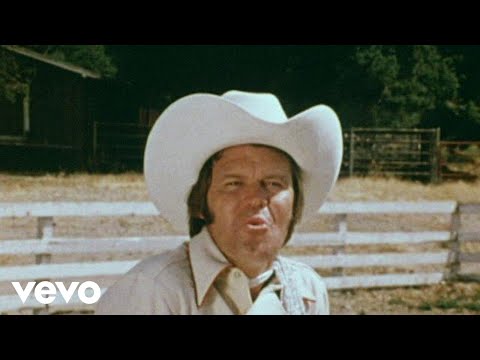



→ More from the 1970s File
View all 1970s hits →




Keep digging