The 1970s File Feature
Don't Pull Your Love/then You Can Tell Me Goodbye
Glen Campbell Spins a Medley on Don't Pull Your Love/Then You Can Tell Me Goodbye By the mid 1970s, Glen Campbell was one of the most beloved entertainers in…
01 The Story
Glen Campbell Spins a Medley on "Don't Pull Your Love/Then You Can Tell Me Goodbye"
By the mid 1970s, Glen Campbell was one of the most beloved entertainers in America, a crossover star whose warm voice and easy charm had carried him from session guitarist to television host to genuine pop and country icon. "Don't Pull Your Love/Then You Can Tell Me Goodbye" arrived in 1976 as a clever medley, pairing two beloved songs into a single, irresistible single that played to Campbell's gift for melody and his warm, accessible style. It captured the seasoned star doing what he did best, turning familiar material into pure radio pleasure.
A Crossover Star at His Peak
By 1976, Glen Campbell had spent years as one of the most successful and versatile artists in popular music. A gifted guitarist who had played on countless sessions before stepping into the spotlight, he scored a remarkable run of crossover hits, many written by the brilliant songwriter Jimmy Webb, and hosted a popular television variety show. His warm baritone and his ability to move easily between country and pop made him a household name. By the middle of the decade he remained a major chart presence, and this medley single demonstrated his enduring appeal and his sharp instinct for a hook. What set Campbell apart was the rare combination of technical mastery and genuine warmth, the polished musicianship of a veteran session player joined to a voice that always sounded like a friend. He had nothing left to prove by 1976, yet he kept finding fresh ways to delight his audience. The medley format suited that instinct perfectly, letting him pack two familiar pleasures into a single irresistible record.
Two Songs Made One
The record is a medley combining two previously successful songs, "Don't Pull Your Love," originally a hit for Hamilton, Joe Frank & Reynolds, and "Then You Can Tell Me Goodbye," a song associated with several artists. Campbell wove the two together into a seamless, flowing single, his smooth vocal gliding between the melodies. The arrangement is bright and polished, typical of his mid-1970s recordings, blending pop accessibility with a touch of country warmth. The medley format gave listeners two beloved tunes in one, a clever bit of programming that maximized the song's appeal.
A Solid Run on the Hot 100
The single entered the Billboard Hot 100 on March 27, 1976, at number 87 and climbed steadily, leaping to 64, then 51, 39, and 32 over its early weeks. It eventually reached a peak of number 27 during the week of May 8, 1976, and it spent 10 weeks on the chart. That solid showing confirmed Campbell's continued commercial strength, demonstrating that audiences still embraced his warm, melodic style well into the second half of the decade, even as musical tastes were shifting around him.
Part of a Storied Career
This record belongs to the rich catalog of one of the most beloved and versatile entertainers of his era. Glen Campbell's career spanned music, television, and film, and his warm, expressive voice graced countless memorable recordings. While this medley may not be among his most famous songs, it captures the easy charm and melodic gift that made him a star, the sound of a master interpreter giving familiar material his own warm treatment. It remains a delightful entry in his long and celebrated discography.
Why It Still Charms
The warmth of Glen Campbell's voice and his gift for melody never go out of style, and this clever medley showcases both beautifully. There is real pleasure in hearing two great tunes woven together so smoothly. Cue it up, let that easy charm wash over you, and enjoy a beloved entertainer doing exactly what he did best. Press play and sing along.
"Don't Pull Your Love/then You Can Tell Me Goodbye" — Glen Campbell's singular moment on the 1970s charts.
02 Song Meaning
What "Don't Pull Your Love/Then You Can Tell Me Goodbye" Is Really About
This medley pairs two songs that share a common emotional thread, the fear of losing love and the plea to hold on. Both halves explore the vulnerability of a relationship in jeopardy, the narrator pleading with a partner not to leave or insisting on the depth of his devotion. Glen Campbell weaves these sentiments into a single statement about the preciousness of love and the pain of its potential loss.
The Plea to Hold On
The central theme is the desperate wish to keep a love from ending. Begging a partner to stay drives the first half of the medley, the narrator pleading not to have love pulled away from him. That vulnerability, the fear of abandonment, gives the song real emotional stakes, the sound of someone who cannot bear the thought of losing the person he loves.
Devotion and Reassurance
The second half shifts toward a declaration of deep commitment. Insisting on the strength of love runs through it, the narrator asserting his devotion and challenging his partner to test it. That combination of vulnerability and conviction gives the medley its emotional range, moving from fear of loss to a confident affirmation of feeling.
Love at Risk
Both songs share a focus on the fragility of romance. The fear of losing what matters most connects the two halves, the awareness that love can slip away and the determination to prevent it. That theme of cherishing love and fighting to keep it gives the medley its emotional coherence, two songs united by a shared romantic anxiety.
A Reflection of Its Era
The mid 1970s embraced warm, melodic pop that explored love and emotion in accessible, heartfelt terms. This medley fits that sensibility, pairing two romantic songs into a single, feel-good single. It belonged to a moment when artists like Campbell offered listeners polished, emotionally direct music about the joys and fears of love.
Why It Resonated
Listeners connected to the medley's heartfelt exploration of love and the fear of losing it, feelings nearly everyone has known. Its combination of two beloved songs, delivered with Campbell's warm sincerity, made it doubly appealing. The lasting charm of this medley lies in that emotional resonance, a warm meditation on the preciousness of love and the desire to hold it close. By joining two songs that share the same emotional core, the medley reinforces its central message, the universal fear of losing the person who matters most. That heartfelt sincerity, delivered through Campbell's effortless warmth, is what gives the record its lasting charm. The fear of losing love and the determination to hold onto it are feelings everyone recognizes, which is why both halves of the medley still resonate so warmly today.
→ More from Glen Campbell
View all Glen Campbell hits →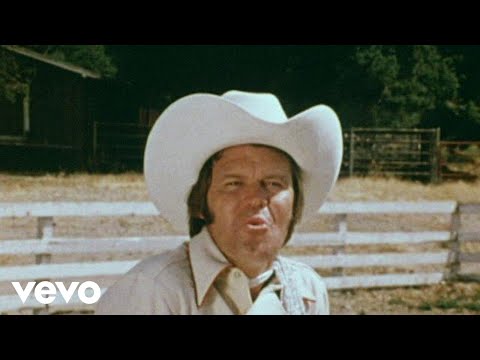



→ More from the 1970s File
View all 1970s hits →




Keep digging