The 1970s File Feature
Where Peaceful Waters Flow
Gladys Knight And The Pips at Buddah Records: "Where Peaceful Waters Flow" By the summer of 1973, Gladys Knight And The Pips had completed one of the more si…
01 The Story
Gladys Knight And The Pips at Buddah Records: "Where Peaceful Waters Flow"
By the summer of 1973, Gladys Knight And The Pips had completed one of the more significant label transitions in soul music history. After their celebrated years at Motown Records, where they had recorded "I Heard It Through the Grapevine" and numerous other soul classics, they moved to Buddah Records, and the results immediately demonstrated that the group's creative and commercial powers were undiminished by the transition. "Where Peaceful Waters Flow" debuted on the Billboard Hot 100 on June 16, 1973, at number 75, and climbed over eleven weeks to a peak of number 28 during the week of July 28, 1973.
The Motown departure had been the subject of considerable industry attention. Motown under Berry Gordy was the dominant institution in Black American popular music, and artists who left the label were understood to be taking a significant risk. The Pips had been frustrated by Motown's reluctance to release "Neither One of Us (Wants to Be the First to Say Goodbye)," a record the group believed in strongly. That song would ultimately become one of their biggest hits, vindicating their confidence. When they arrived at Buddah, they brought creative momentum and a desire to demonstrate the wisdom of the transition.
Buddah Records was an interesting home for the group. The label had begun as a bubblegum pop outlet but had evolved significantly by the early 1970s, with a roster that included a range of soul, pop, and adult contemporary artists. The label was willing to invest in Gladys Knight And The Pips, and the results were commercially strong: "Midnight Train to Georgia," recorded for Buddah, became one of the group's signature recordings and a number-one hit in 1973.
"Where Peaceful Waters Flow" arrived in the same productive period, representing the quieter, more reflective side of the group's Buddah output. The song offered a contrast to the dramatic narrative intensity of "Midnight Train to Georgia," presenting instead a more contemplative emotional landscape. Gladys Knight's voice, always remarkable for its combination of technical control and raw emotional honesty, was well-suited to material that asked for sustained feeling rather than dramatic climax.
The chart trajectory showed the song's genuine commercial traction. From its debut at 75, it moved to 64 in week two, 51 in week three, then jumped significantly to 34 in week four and held near that level at 33 in week five, before advancing to its peak of 28 in week eight. The steady, if non-linear, upward movement reflected word-of-mouth and radio rotation building over time rather than a single promotional push. Eleven weeks on the chart was a respectable showing that confirmed the song had found a genuine audience.
The summer of 1973 was a rich period for soul music on the Hot 100. Stevie Wonder, Marvin Gaye, and numerous Motown and Philadelphia International artists were producing commercially and critically significant work, and the genre's presence on the national chart was substantial. Gladys Knight And The Pips competed creditably in that environment, with their Buddah output demonstrating that the group could hold their own against both former labelmates and the emerging Philadelphia soul sound that was reshaping the genre.
The Pips, the vocal harmony group that provided the backdrop for Knight's lead performances, were among the most skilled and disciplined backing vocalists in soul music. William Guest, Edward Patten, and Bubba Knight (Gladys's brother) had developed a precision and expressiveness over years of live and studio performance that made them genuine contributors to the musical identity of the act rather than mere accompaniment. Their work on "Where Peaceful Waters Flow" underscored the song's gentle emotional landscape without overwhelming it.
In the longer arc of the group's Buddah years, "Where Peaceful Waters Flow" occupies a supporting role to the more celebrated recordings of that period. But its eleven-week chart run and peak of 28 established it as a genuine commercial achievement in its own right, documenting the breadth of the group's appeal: they could deliver dramatic soul narratives and quiet reflective pieces with equal conviction, which was itself a testament to the range and depth of their artistry.
02 Song Meaning
Rest, Refuge, and Reflection in "Where Peaceful Waters Flow"
"Where Peaceful Waters Flow" by Gladys Knight And The Pips reaches for a particular emotional register that is less common in soul music than the genre's celebrated modes of passionate longing or dramatic heartbreak. The song invites its listener toward stillness, toward a place or state defined by the absence of turbulence rather than the presence of excitement. That invitation, delivered through Gladys Knight's voice and the group's characteristic harmonic warmth, gives the record a distinctive quality within both their catalog and the broader soul landscape of 1973.
The image of peaceful waters is ancient and deeply embedded in Western spiritual and literary tradition. From the Twenty-Third Psalm's "still waters" to the rivers of countless hymns and folk songs, water at rest has long served as a metaphor for spiritual comfort, emotional sanctuary, and the restoration of the soul after periods of striving or suffering. When Gladys Knight And The Pips invoked this image in 1973, they were drawing on a reservoir of cultural meaning that their audience would have recognized immediately, particularly given the gospel roots that shaped so much of soul music's vocabulary.
The post-Motown context gives the song an additional layer of meaning that is biographical as much as lyrical. The group had emerged from one of the most demanding and competitive musical environments in American pop, a label and a culture that prized polish, ambition, and relentless forward movement. Their move to Buddah Records represented a kind of creative liberation, and the songs they recorded in their early Buddah period sometimes carried a quality of release, of breathing room claimed after years of constraint.
"Where Peaceful Waters Flow" fits that pattern. It does not strain or demonstrate or compete. It rests in its own gentle emotional certainty, which is itself a statement about where the group was at that moment in their career. The song asks its listener to stop moving, stop straining, and accept the comfort of quiet rather than the stimulation of activity. That is a more unusual request than it might appear in a genre that so often deals in urgent emotion.
Gladys Knight's vocal performance on the song is notably restrained by her usual standards. She is capable of spectacular emotional display, and her most celebrated recordings deploy that capacity fully. Here, she chooses a different approach: the control is evident not in what she unleashes but in what she holds back, creating a performance whose power comes from its gentleness rather than its force. This is a sophisticated artistic choice that demonstrates mastery of dynamic range.
The Pips' harmonic contribution reinforces the song's peaceful quality. Their voices blend with Knight's in patterns that suggest support rather than excitement, providing a cushion beneath the lead vocal rather than a dramatic counterpoint to it. The collective sound of the group on this record is one of the most literal realizations of their name in their catalog: the pips surrounding and supporting the flower, providing the structural base for something delicate and beautiful.
In terms of meaning for its audience, "Where Peaceful Waters Flow" offered a particular kind of gift in 1973: a soul record that did not demand anything from its listener but provided comfort, a musical space where the concerns of the everyday could be momentarily set aside. Its peak of number 28 on the Hot 100 confirmed that there was a significant appetite for exactly this emotional offering, even amid a commercial landscape that often rewarded more demonstrative material.
→ More from Gladys Knight And The Pips
View all Gladys Knight And The Pips hits →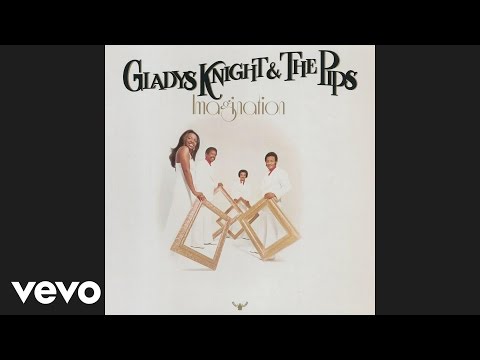



→ More from the 1970s File
View all 1970s hits →




Keep digging