The 1970s File Feature
Honey I
The Story Behind Honey I by George McCrae Riding the Afterglow of a Number One By 1976, George McCrae was a genuine star of the disco-soul crossover moment, …
01 The Story
The Story Behind "Honey I" by George McCrae
Riding the Afterglow of a Number One
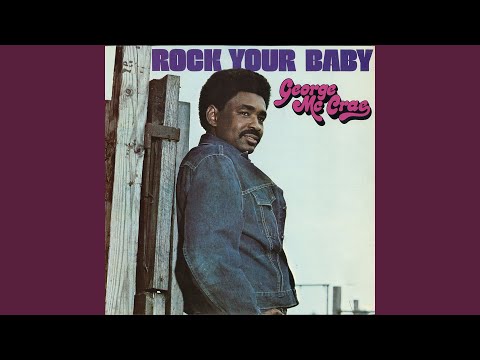
By 1976, George McCrae was a genuine star of the disco-soul crossover moment, a Florida singer whose 1974 smash "Rock Your Baby" had topped the Billboard Hot 100 and effectively kicked open the door for the disco era that was about to consume American pop radio. He was closely tied to the TK Records family in Hialeah, Florida, working within the orbit of producers Harry Wayne Casey and Richard Finch, the duo who would soon dominate the charts themselves as KC and the Sunshine Band. By the time "Honey I" arrived, McCrae was working to prove that his breakthrough wasn't a fluke, chasing a follow-up run of hits that could sustain his career into disco's mainstream boom years, a pressure that plenty of one-hit-adjacent artists of the era struggled to navigate successfully, especially as the sound of Black American radio kept shifting under their feet from one year to the next.
A Smooth, Soulful Sound in a Changing Landscape
"Honey I" leaned into the lush, orchestrated soul sound that defined much of the TK Records catalog, favoring warmth and groove over the harder-edged disco beats that were starting to dominate dance floors. It showcased McCrae's tender falsetto and his ability to sell romantic sincerity, qualities that had made "Rock Your Baby" connect so widely with listeners two years earlier. The production carried the unmistakable Miami sound: warm, string-laced, built for both radio play and slow dancing, with a rhythm section that stayed patient rather than chasing the frantic tempos beginning to define disco's mainstream peak, and horn charts that added color without ever overwhelming the vocal.
A Steady, Modest Climb
The single entered the Billboard Hot 100 on January 10, 1976, debuting at number 80. It moved upward gradually over the following weeks rather than surging, a pattern typical of soul and disco crossover singles that built momentum through radio and club play rather than an explosive opening. By February 7, 1976, "Honey I" reached its peak position of number 65, closing out a run of five weeks on the chart that, while modest compared to his signature hit, kept McCrae's name active on national radio during disco's transitional years and reinforced his standing as a dependable presence on soul-leaning stations.
A Career Navigating a Shifting Genre
McCrae's chart trajectory throughout the mid-1970s reflected the broader turbulence of an artist trying to stay relevant as disco accelerated from niche dance phenomenon to full-blown cultural takeover. "Honey I" represents a middle chapter in that story, a song that didn't reach the commercial heights of his breakout but demonstrated his continued presence within the genre he helped popularize. It's a reminder that even artists credited with launching a movement often had to keep proving themselves as that movement evolved past them, adapting their sound in small ways while holding onto what made them distinctive in the first place.
A Legacy Anchored Elsewhere but Still Meaningful
Today, McCrae's legacy rests overwhelmingly on "Rock Your Baby," a song widely cited as one of disco's foundational records. But tracks like "Honey I" matter to the fuller picture of his career, illustrating the consistency and craft he brought to the TK Records sound even outside his signature smash. For fans tracing the label's catalog or disco's evolution from soul roots, it's an essential, if lesser-known, entry that rewards closer attention.
Worth Rediscovering
Give "Honey I" a listen and you'll hear an artist fully in command of a sound he helped define, delivering warmth and sincerity even on a song that never became a signature hit. It's a snapshot of mid-1970s Miami soul at its smoothest, well worth revisiting for anyone exploring disco's roots and the soul foundations underneath them.
"Honey I" — George McCrae's singular moment on the 1970s charts.
02 Song Meaning
What "Honey I" Is Really About
A Straightforward Declaration of Devotion
"Honey I" operates in familiar romantic-soul territory, built around a direct, tender expression of love and reassurance rather than narrative complexity or metaphor-heavy poetry. The song's emotional core is simple sincerity, a partner speaking plainly about commitment and affection. That directness was very much in keeping with George McCrae's broader songwriting persona, which favored warmth and vulnerability over cleverness or lyrical misdirection.
Falsetto as Emotional Signal
Much of the song's meaning is carried not just by its lyrics but by McCrae's delivery, his signature falsetto lending the material a fragile, pleading quality that reinforces the lyrical themes of tenderness and reassurance. That vocal vulnerability became something of a trademark for McCrae, distinguishing his romantic ballads from the more assertive vocal styles common elsewhere in mid-1970s soul and funk, and giving even his simplest lyrics an emotional weight beyond their words, a quality that separated him from singers who relied purely on lower-register power.
Love Songs in the Disco Transition
By 1976, the American pop landscape was in the middle of a significant shift, as disco moved from underground clubs into mainstream radio dominance. Amid that transition, romantic soul ballads like "Honey I" offered listeners something the era's more percussive, rhythm-forward disco tracks often didn't prioritize: intimacy. The song's slower, string-laced arrangement gave audiences a moment of tenderness within a broader musical culture increasingly oriented toward the dance floor and its faster, more relentless tempos.
The Miami Soul Sound's Emotional Register
Songs coming out of the TK Records stable in Hialeah, Florida, carried a distinct regional warmth, blending soul's emotional directness with disco's polish. "Honey I" fits comfortably within that tradition, using lush instrumentation to underscore rather than overwhelm its emotional message. The arrangement never competes with the vocal for attention; it supports it, letting the sincerity of the lyric take center stage throughout the entire performance, much the way a well-lit stage frames a singer without distracting from the performance itself.
Why It Connected With Listeners
Audiences responded to "Honey I" because it offered emotional clarity at a moment when much of pop radio was increasingly abstract or rhythm-driven. There's comfort in a song that says exactly what it means, and McCrae's genuine vocal performance made that simplicity feel earned rather than lazy. For listeners who wanted romance without artifice, the track delivered precisely that, filling a specific emotional niche that harder-edged disco singles largely left open.
A Small but Sincere Entry in a Larger Story
While it never approached the cultural footprint of his biggest hit, "Honey I" still captures something true about McCrae as an artist: an unwavering commitment to sincerity, tenderness, and vocal vulnerability, delivered through a sound that helped define an entire regional scene during one of pop music's most transformative decades.
→ More from George McCrae
View all George McCrae hits →

→ More from the 1970s File
View all 1970s hits →




Keep digging