The 1970s File Feature
This Masquerade
This Masquerade — George Benson: The Grammy Record of the Year from Breezin' Note: this entry discusses George Benson's 1976 recording of "This Masquerade," …
01 The Story
This Masquerade — George Benson: The Grammy Record of the Year from Breezin'
Note: this entry discusses George Benson's 1976 recording of "This Masquerade," not the song's original composition or any other artist's version. The song was written by Leon Russell and first recorded by him in 1972.
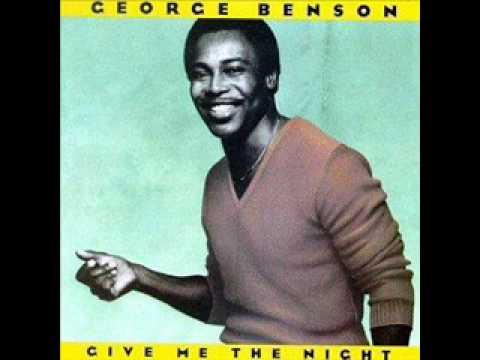
"This Masquerade" arrived in 1976 as the opening track and lead single from George Benson's album "Breezin'," a record released on Warner Bros. Records that would fundamentally redefine Benson's career and establish him as one of the dominant figures in the jazz-pop crossover market. Before "Breezin'," Benson was respected primarily within jazz circles as an exceptionally gifted guitarist, a musician's musician who had recorded for CTI and other labels and was regarded as among the finest jazz instrumentalists of his generation. The album changed everything by placing his vocal abilities at the center of a commercially oriented production designed to reach audiences far beyond the jazz constituency.
The production of "Breezin'" was overseen by Tommy LiPuma, a producer with a sophisticated understanding of both jazz craft and pop accessibility. LiPuma's approach to the album was to retain the musicianship that distinguished Benson as a serious artist while framing it within arrangements that were lush, warm, and immediately appealing to non-specialist listeners. The instrumentation was rich, drawing on strings, electric piano, guitar, and rhythm section work that felt effortless rather than technically demanding, even though the execution required considerable technical command. The album was recorded with session players of the highest caliber, and the collective performance level gave the final product a seamlessness that belied the complexity of what was being achieved.
Leon Russell had written "This Masquerade" as a song about romantic self-deception, two people maintaining the performance of a relationship that both know has failed. Russell's own recording appeared on his 1972 album "Carney" and was received respectfully as the work of a serious songwriter, but it did not become the vehicle for massive commercial success. Benson's recording was both more intimate and more expansive; his vocal performance brought a quality of genuine vulnerability to the material while his guitar playing and the surrounding arrangement elevated the emotional content without obscuring it.
Released as a single, "This Masquerade" reached number ten on the Billboard Hot 100, a remarkable achievement for a jazz-oriented artist whose previous recordings had rarely penetrated the pop mainstream at all. On the Adult Contemporary chart, it performed even more strongly, reaching the upper reaches of that format and establishing Benson as a major presence in the market for sophisticated popular music that appealed to adult listeners. The album "Breezin'" became the first jazz album to achieve platinum certification from the Recording Industry Association of America, an unprecedented commercial milestone for the genre.
The critical response matched the commercial one. At the 19th Grammy Awards in 1977, "This Masquerade" won the Grammy Award for Record of the Year, the most prestigious individual honor in the recording industry. The win was extraordinary in several respects: it represented the first time that a jazz-oriented recording had won the top Grammy prize in many years, it signaled the Recording Academy's recognition of the crossover achievement Benson and LiPuma had engineered, and it brought Benson's name to a level of public attention that his previous work, however respected, had not generated. The Grammy win was not merely an honor but a commercial event, driving additional sales of both the single and the album.
The album "Breezin'" itself became one of the most successful jazz-pop crossover records in the history of the format, spending weeks at the top of the jazz and pop albums charts and ultimately selling in very large numbers. It spawned a template for what became known as smooth jazz, a commercially robust genre that dominated certain radio formats through the late 1970s, 1980s, and beyond. Benson's success on "Breezin'" demonstrated to other jazz musicians and labels that a commercially oriented approach to jazz presentation could produce both artistic and financial rewards, and the album's influence on subsequent recordings by other artists was considerable.
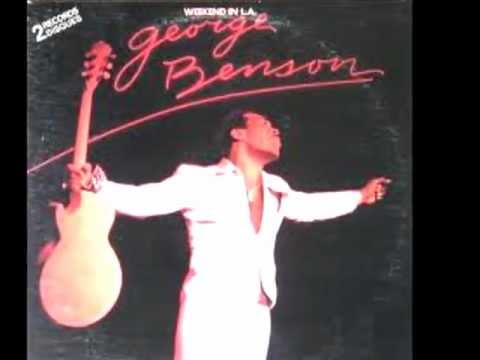
Benson followed "Breezin'" with additional albums that extended his crossover success, including "In Flight" and "Weekend in L.A.," both of which reached wide audiences. His subsequent work across the following decades maintained his position as a major figure in both jazz and adult contemporary music, winning additional Grammy Awards and sustaining a touring career of considerable scale. But "This Masquerade" and "Breezin'" remained the foundational documents of his popular reputation, the recordings to which any discussion of his significance inevitably returned.
The recording's technical achievement is also worth underscoring. Benson's guitar playing on "This Masquerade" is a masterclass in restraint and taste; he does not compete with his own vocal or overwhelm the emotional content of the material with instrumental display, but his contribution as a guitarist is woven through the arrangement in ways that give the record a richness unavailable to a purely vocal performance. The balance he struck between his two primary talents, voice and guitar, was one of the defining achievements of the recording and one of the qualities that distinguished it from the many jazz-pop crossover attempts that did not achieve comparable success.
02 Song Meaning
This Masquerade — Romantic Illusion, Self-Deception, and George Benson's Interpretive Depth
Note: this discussion concerns George Benson's 1976 recording of Leon Russell's composition "This Masquerade," which won the Grammy Award for Record of the Year in 1977.
"This Masquerade" is a song about a specific and painful form of romantic failure: the situation in which two people continue to perform the roles of lovers while both privately know that the relationship has ceased to function as one. The masquerade of the title is not a single grand deception but the accumulated small performances, the maintained smiles, the continued gestures of affection, that constitute the outer form of a relationship after its inner substance has departed. Leon Russell's original composition gave this situation a lyrical treatment of considerable sophistication, capturing the gap between what is enacted and what is felt.
What George Benson's recording added to this material was a particular quality of emotional intelligence. Benson was already forty years old when "Breezin'" was recorded, a man with extensive life experience and a musician who had spent two decades developing his expressive vocabulary. His vocal performance on "This Masquerade" carries the weight of that experience; he sounds like someone who genuinely understands the situation the song describes, not as an abstract emotional concept but as a human reality with specific textures and specific costs. This quality of authentic comprehension is what elevates the performance above mere technical accomplishment.
The thematic content of the song operates at several levels simultaneously. On the most immediate level, it is a portrait of a failing romantic relationship. At a deeper level, it is a meditation on the human capacity for self-deception and the way we participate in fictions that protect us from truths we are not ready to face. The masquerade metaphor is particularly apt because it names not only the deception of the other person but the self-deception that both parties are practicing. Neither person in the song's scenario is simply deceiving the other; both are deceiving themselves, maintaining the performance because the alternative requires confronting a loss they cannot yet accept.
This psychological complexity gives the song a depth that was not always present in the romantic pop of the mid-1970s. Much successful popular music of the period was emotionally simpler, concerned with straightforward declarations of love or loss rather than the more ambiguous middle territory where feelings have become entangled and unclear. "This Masquerade" operates precisely in that middle territory, which is part of what made Benson's recording resonant with adult contemporary audiences who had enough life experience to recognize the emotional situation from the inside.
The Grammy Award for Record of the Year that "This Masquerade" received in 1977 confirmed the recording's status as more than a commercial product; it was recognized by the music industry's own evaluative mechanism as an achievement of distinction. For George Benson, the recognition validated a creative decision, the choice to foreground his vocal abilities alongside his guitar playing, that had involved real artistic risk. Jazz musicians who moved toward pop accessibility risked alienating core audiences without necessarily winning new ones; Benson's success demonstrated that the risk could yield extraordinary rewards.
For the song's place in Benson's catalog, "This Masquerade" occupies an irreplaceable position as the recording that established him as a complete popular artist rather than a specialist. The jazz guitarist who won the Grammy for Record of the Year with a vocal performance on a Leon Russell ballad was an unlikely story, and the fact that it happened gave the recording a cultural weight beyond its considerable intrinsic quality. It demonstrated that the boundaries between jazz, pop, and adult contemporary were far more permeable than the music industry's categorical habits suggested, and it did so by producing a recording of genuinely moving beauty.
→ More from George Benson
View all George Benson hits →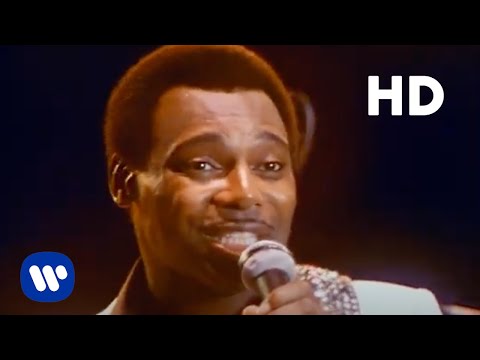


→ More from the 1970s File
View all 1970s hits →




Keep digging