The 1970s File Feature
Let's Give Adam And Eve Another Chance
Gary Puckett And The Union Gap Plead for Let's Give Adam And Eve Another Chance Cast your mind back to the spring of 1970, a moment when the optimism of the …
01 The Story
Gary Puckett And The Union Gap Plead for "Let's Give Adam And Eve Another Chance"
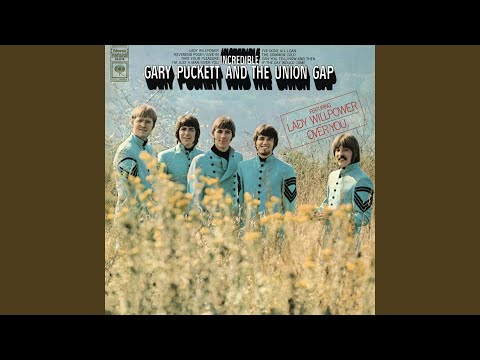
Cast your mind back to the spring of 1970, a moment when the optimism of the 1960s was curdling into doubt and the airwaves were full of artists reaching for big, sweeping statements. The pop landscape was shifting fast, with the orchestral grandeur of the previous years still hanging in the air even as harder, rawer sounds pushed in. Into that uncertain dawn stepped Gary Puckett And The Union Gap, a group built around one of the most commanding voices in pop, swinging for the fences with an ambitious title that asked nothing less than a second chance for humanity itself.
A Voice Built for Drama
Gary Puckett had ridden a remarkable run of success in the late 1960s, fronting The Union Gap with a powerful, theatrical voice that turned dramatic ballads into chart staples. The group had a knack for songs of yearning and grand emotion, the kind that demanded a vocalist who could fill every corner with feeling. By 1970 they were a known commodity, an act audiences associated with sincerity, scale, and that big-throated delivery. This single arrived as they sought to extend that streak into a new decade.
An Ambitious Plea Set to Music
The song's title is its boldest gesture, framing a romantic and moral appeal in the language of the original couple from Genesis. It reaches for something larger than a typical love song, gesturing toward themes of renewal, forgiveness, and starting over. The arrangement leans into the group's strengths, building toward dramatic crescendos that let the lead voice soar. It is the sound of a pop act unafraid of grandeur, willing to wrap a sweeping message in lush, emphatic production rather than settle for something small.
A Climb to the Edge of the Top 40
The single put up a solid mid-chart showing as it made its run. "Let's Give Adam And Eve Another Chance" debuted on the Billboard Hot 100 on March 7, 1970, at number 83. It climbed sharply, leaping into the sixties and then the fifties in successive weeks, before peaking at number 41 on April 4, 1970, landing tantalizingly just outside the coveted Top 40. The song spent seven weeks on the Hot 100. For a group whose biggest hits had reached far higher, this was a more measured result, yet the steady climb showed there was still an audience hungry for the group's dramatic, full-throated style.
A Turning Point in the Group's Story
This single landed at a transitional moment, as the sound that had made the group stars began to fall out of fashion with the changing times. Its seven-week run in the spring of 1970 captures an act trying to carry a 1960s sensibility into a decade that would soon demand something different. For listeners revisiting the catalogue, the song stands as a fascinating snapshot of grand pop ambition meeting a moment of cultural change, the sound of a great voice still reaching for the heights.
There is something admirable about the swing of the thing. In an era when many acts were chasing trends or shrinking their ambitions, this single dared to be big, to wrap a sweeping moral idea in lush production and a soaring vocal. The willingness to aim high is part of what makes it memorable, even if the chart result fell short of the group's peak. Not every grand gesture lands at number one, but the audacity of attempting one still resonates. The single captures a group and a voice unwilling to play it safe, reaching for meaning and scale at a moment when both were going out of fashion. For all its modest chart placement, that ambition gives the record a lingering dignity.
Press play and let that towering voice make its case for second chances.
"Let's Give Adam And Eve Another Chance" — Gary Puckett And The Union Gap's singular moment on the 1970s charts.
02 Song Meaning
The Meaning Behind "Let's Give Adam And Eve Another Chance"
This is a song that dresses a plea for love and forgiveness in some of the grandest imagery available. By invoking Adam and Eve, the original couple of human myth, it stretches a personal appeal into something close to a statement about humanity's capacity for renewal. The meaning lives in that ambition: the idea that even the most broken bond might deserve a fresh start.
Forgiveness as a Theme
At its heart the song is about second chances, about the willingness to forgive and begin again rather than let a relationship collapse. The framing suggests that mistakes are part of being human, as old as the first people, and that grace and reconciliation are always possible. The central message is one of hope and redemption, the belief that what is damaged can still be repaired.
The Weight of the Metaphor
Reaching for Adam and Eve gives the song a mythic scale that ordinary love songs rarely attempt. It positions the couple at the center as inheritors of an ancient story, suggesting that their struggle echoes something universal. The biblical imagery lends the plea a sense of moral seriousness, elevating it from private drama to something approaching a parable.
A Song of Its Anxious Era
The dawn of the 1970s was a time of social tension and uncertainty, when many wondered whether the idealism of the previous decade could survive. A song asking for another chance, for forgiveness and a clean slate, carried real resonance in that climate. It tapped into a widespread yearning for healing, speaking to a culture searching for ways to move forward.
Love as a Form of Faith
Underneath the romance runs a deeper current of belief, the conviction that people are worth saving and that bonds can be rebuilt. By tying its plea to the first couple of human story, the song suggests that the capacity to begin again is woven into who we are. It treats forgiveness almost as an act of faith, a leap toward hope rather than a surrender to disappointment. That earnestness gives the song its emotional weight, lifting it above a simple request and toward something closer to a creed.
Why It Stuck
Listeners responded to the sincerity and the soaring delivery, the sense that the singer truly believed in the possibility of starting over. The combination of grand theme and heartfelt voice made the appeal feel genuine rather than overwrought, an earnest case for the redemptive power of love. In a moment when cynicism was creeping into the culture, a song this openly hopeful offered a welcome counterweight.
What remains is a song that dares to dream big about forgiveness, treating a second chance as something worth singing toward the heavens.
→ More from Gary Puckett And The Union Gap
View all Gary Puckett And The Union Gap hits →


→ More from the 1970s File
View all 1970s hits →




Keep digging