The 1970s File Feature
Second Avenue
The Tender Solo Turn of Second Avenue by Art Garfunkel Picture the mid-1970s, when the singer-songwriter era was at its peak and the soft, introspective ball…
01 The Story
The Tender Solo Turn of "Second Avenue" by Art Garfunkel
Picture the mid-1970s, when the singer-songwriter era was at its peak and the soft, introspective ballad reigned over the radio. Art Garfunkel had already made history as half of one of the most beloved duos in popular music, and by 1974 he was building a solo career defined by his crystalline voice and his impeccable taste in material. That autumn he released a gentle, melancholy ballad set against the backdrop of a city street, a tender meditation on love and loss delivered with his trademark purity of tone. It was soft, sophisticated pop at its most affecting.
Where Garfunkel Stood in 1974
By 1974, Art Garfunkel was several years into his solo career, working to establish himself as an artist in his own right after years as part of one of music's most celebrated partnerships. His soaring, angelic tenor remained one of the most distinctive voices in pop, and he had built his solo work around carefully chosen songs that suited it. The mid-1970s were a perfect moment for his gifts, an era that prized melody, sensitivity, and emotional nuance. This single fit squarely into the gentle, introspective style that defined his solo output, showcasing his voice in an intimate, reflective setting. Stepping out from the shadow of a legendary partnership is one of the hardest transitions in popular music, and Garfunkel approached it with characteristic care, choosing material that played to his strengths rather than chasing trends. His solo records favored beauty and emotional nuance over flash, a reflection of his refined taste. This single sits comfortably within that body of work, another careful, heartfelt entry in his solo catalog.
The Sound of the Song
The track is a soft, melancholy ballad in the classic mid-1970s singer-songwriter mold, built around a gentle arrangement and Garfunkel's pristine vocal. The production is warm and understated, leaving plenty of space for his voice to shine. Garfunkel delivers the lyric with delicate, aching grace, capturing the wistful sadness of love remembered and lost. The urban setting of the title gives the song a vivid sense of place, the lonely poetry of a city street. There is a quiet beauty to the performance, the sound of a master vocalist applying his gift to a tender, reflective song.
Climbing the Hot 100
The single performed respectably during its chart run. It debuted on the Billboard Hot 100 on September 21, 1974, entering at number 77. From there it climbed steadily through the autumn, rising to 65, then 55, then 45, before reaching its peak of number 34 during the week of October 26, 1974. The record spent eight weeks on the Hot 100, a solid showing for a gentle ballad. While it was a more modest hit than some of his other solo singles, the top-40 placement confirmed Garfunkel's standing as a successful solo artist with a devoted audience.
Its Place in His Career
This single stands as a lovely example of Art Garfunkel's solo artistry, a showcase for the pure, expressive voice that made him a legend. It captures the gentle, introspective spirit of his best solo work, the quality that endeared him to fans who treasured his sensitivity and taste. While his greatest fame came from his celebrated partnership, his solo recordings revealed an artist with a distinct and beautiful voice of his own. For admirers of mid-1970s soft pop, this single is a tender, rewarding listen. The mid-1970s gave Garfunkel a perfect setting for his particular gifts, an era that prized exactly the kind of melodic sensitivity he brought to every performance. This single endures as a quiet highlight of that period, a showcase for one of the most beautiful voices the era produced, applied to a song of genuine emotional depth.
Put it on and let Art Garfunkel's pure, aching voice carry you down a lonely city street in the soft-focus glow of 1974.
"Second Avenue" — Art Garfunkel's singular moment on the 1970s charts.
02 Song Meaning
What "Second Avenue" Is Really About
This is a song of wistful reflection, a tender meditation on love and loss set against the backdrop of a city street. The urban setting becomes a stage for memory and longing, the kind of place where the past seems to linger on every corner. It belongs to the introspective singer-songwriter tradition of the mid-1970s, and Art Garfunkel delivers its quiet melancholy with a grace that makes the sadness beautiful.
The Central Theme of Lost Love
At its heart the song dwells on a love that has slipped away. It captures the bittersweet ache of remembering a relationship that is no longer, using the imagery of a familiar street to anchor the memory. That theme of loss and reflection gives the song its emotional depth. Rather than anger or bitterness, the lyric trades in gentle sorrow, the soft regret of looking back on something precious and gone.
The Role of the City
One of the song's most evocative qualities is its sense of place. The urban setting gives the longing a vivid, tangible backdrop, turning a city street into a landscape of memory. Cities have always been rich settings for songs about loneliness and lost love, their crowds and corners full of associations. Here the street becomes a kind of character, a place where the past and present quietly overlap, deepening the song's reflective mood. The specificity of a named avenue grounds the abstract ache of memory in something real and walkable.
The Cultural Moment of 1974
The mid-1970s were the golden age of the introspective singer-songwriter ballad. Soft, emotionally honest songs about love and loss dominated the airwaves, valuing melody and nuance over spectacle. A gentle meditation on lost love fit perfectly into that landscape. It belongs to an era when pop music made room for quiet sorrow and poetic reflection, delivered by voices of real beauty and sensitivity.
Why It Resonates
The reason a song like this endures is the universality of its central feeling. Everyone has looked back on a lost love with a mix of tenderness and regret, and a beautifully sung ballad brings that feeling vividly to life. Listeners hear their own memories reflected in the song's wistful poetry, which is why it lingers. That gentle emotional honesty, paired with Garfunkel's gorgeous voice, is exactly what gives the record its lasting appeal. There is a particular kind of beauty in sadness handled with grace, and this song finds it, turning the ache of lost love into something quietly consoling rather than merely mournful. To revisit a place tied to someone now gone is a deeply human ritual, and the song honors that ritual with such tenderness that listeners find their own remembered streets and faces drifting back to them.
→ More from Garfunkel
View all Garfunkel hits →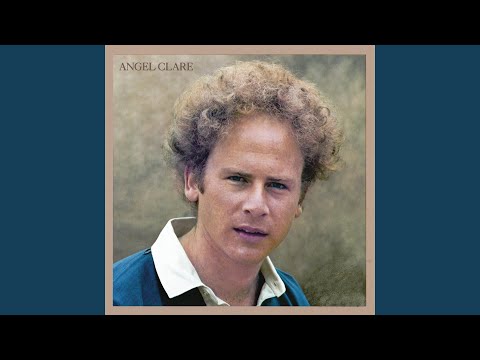
→ More from the 1970s File
View all 1970s hits →




Keep digging