The 1970s File Feature
I'd Really Love To See You Tonight
"I'd Really Love To See You Tonight" — England Dan John Ford Coley A Gentle Sound in a Restless Summer Picture the summer of 1976: America is celebrating its…
01 The Story
"I'd Really Love To See You Tonight" — England Dan & John Ford Coley
A Gentle Sound in a Restless Summer
Picture the summer of 1976: America is celebrating its bicentennial, disco is beginning its conquest of the airwaves, and yet AM radio still belonged to voices that favored warmth over flash. Into that landscape walked England Dan Seals and John Ford Coley, two Texans whose sound felt like a long drive through open country, unhurried and sincere. I'd Really Love To See You Tonight arrived at exactly the right moment, a soft-rock confession that cut straight through the noise because it refused to shout.
The duo had been performing together since the early 1970s, working their way through the competitive singer-songwriter circuit without landing the commercial breakthrough that their harmonies deserved. They had released albums on A&M Records and cultivated a devoted following, but mainstream chart success had remained elusive. That changed in the summer of 1976 with a single that showcased everything the pair did best: close, intertwining vocals, a lyric that felt like an honest conversation, and production that kept every element purposeful and clean.
The Song and Its Sound
Written by Parker McGee, I'd Really Love To See You Tonight drew its power from understatement. The narrator reaches out to a former love with a plea that is simultaneously hopeful and measured, careful not to overpromise anything beyond a simple visit. That emotional restraint was unusual in an era that leaned toward grand statements, and it gave the song a human texture that listeners responded to immediately.
Parker McGee's songwriting gave the duo a vehicle that matched their strengths perfectly. The melody is gentle and approachable, built on chord progressions that invite you to hum along before you have even heard the song twice. The production, credited to Kyle Lehning, surrounded those vocals with lush but uncluttered arrangements, strings that never overwhelm, acoustic guitar that keeps the rhythm honest. It was the kind of record that sounded equally good on a car radio at noon and through headphones late at night.
England Dan's lead vocal in particular carries a quality of vulnerability that is rare in pop recordings of any era. There is nothing performed about it; the voice sounds like a man who genuinely means what he is saying, uncertain of the outcome, choosing his words carefully. Coley's harmonies add texture without crowding the emotional center, creating a partnership that felt musically inevitable.
The Chart Run
The single debuted on the Billboard Hot 100 on June 12, 1976, entering at number 89. What followed was one of the most satisfying slow climbs of that chart year. Each week the song moved steadily upward, gaining radio momentum week by week as program directors and listeners alike took notice. By the time September arrived, the record had become a genuine national conversation.
The song peaked at number 2 on the Billboard Hot 100 on September 25, 1976, spending 24 weeks on the chart in total. That peak position was the highest charting single of the duo's entire career, and it established them as legitimate hitmakers rather than album artists who occasionally troubled the singles chart. The record performed particularly strongly on the Adult Contemporary chart, where its restrained, melody-forward style found its most natural audience.
Radio programmers loved the track because it caused no controversy, fit any daypart, and kept listeners tuned in rather than reaching for the dial. In an era when stations were beginning to segment their audiences more carefully, a song that appealed to virtually every adult listener was commercially invaluable.
The Album and Its Context
The single appeared on Nights Are Forever, the duo's album released on Big Tree Records. The LP carried the same sensibility as the hit single, privileging melody and emotional directness over production excess. Big Tree, a subsidiary of Atlantic Records, was a label with a track record for soft rock and adult contemporary artists, and the partnership proved well suited to the duo's material.
The success of the single pulled significant attention toward the album, and England Dan & John Ford Coley found themselves performing on national television programs and reaching audiences who had never previously caught their live shows. The transition from cult favorites to household names happened in a matter of months, driven entirely by one well-crafted song and the chemistry that made it believable.
A Legacy Built on Sincerity
The duo would score additional chart success in the years that followed, including the number 9 hit Nights Are Forever Without You and other adult contemporary entries, but I'd Really Love To See You Tonight remained their signature recording. It represents a particular moment in American popular music when sincerity itself was a style choice, when a singer reaching out to someone they missed could fill a radio and make an entire country feel understood.
Decades later the song turns up in films, television soundtracks, and streaming playlists devoted to the sounds of the 1970s, always arriving like a familiar greeting from a friend you have not seen in too long. The record's endurance comes from the same quality that made it a hit originally: it feels true. Put it on and you will understand exactly why it climbed all the way to number 2 in the summer of America's two hundredth birthday.
"I'd Really Love To See You Tonight" — England Dan & John Ford Coley's singular moment on the 1970s charts.
02 Song Meaning
"I'd Really Love To See You Tonight" — Themes and Legacy
The Art of the Measured Request
At its emotional core, I'd Really Love To See You Tonight is a study in romantic restraint. The narrator contacts someone from his past not with declarations of undying love or accusations of abandonment, but with a simple, almost tentative invitation. He is not asking to rekindle a relationship; he is asking only to share an evening. That distinction, small as it sounds, is the entire emotional architecture of the song. The lyric is careful not to promise more than it can deliver, and that honesty is what gives it staying power.
In 1976, popular love songs still tended toward sweeping romanticism or urgent sexuality. The deliberate understatement of this track set it apart from both. It occupied a middle ground that felt more like real human behavior, the hesitant reach-out, the hope held carefully in check. Listeners recognized the feeling immediately because most of them had experienced exactly this kind of careful moment, wanting to reconnect but not wanting to overcommit.
Emotional Vulnerability as Strength
What makes the song resonate across generations is its willingness to portray male emotional vulnerability without embarrassment. The narrator admits he misses someone, admits he would like to see them, and then waits. There is no posturing, no attempt to seem indifferent. This was a meaningful cultural signal in the mid-1970s, when rock music often rewarded emotional toughness and distance.
Soft rock as a genre was carving out space in the 1970s for exactly this kind of emotional openness, and England Dan & John Ford Coley were among its most articulate practitioners. The song participates in a broader cultural conversation about what men were permitted to feel and express, arriving at a moment when those conversations were beginning to shift. The fact that it reached number 2 on the Hot 100 suggests how many listeners were ready to hear this kind of sincerity from the radio.
The Sound as Emotional Argument
The production choices reinforce the lyric's emotional message at every turn. The arrangement is warm but never overwrought; there is space in the mix that lets each word land cleanly. The vocal harmonies between Dan Seals and John Ford Coley create a sense of companionship in the music itself, two voices moving together through something uncertain, which mirrors the song's emotional situation precisely.
The tempo is unhurried in a way that feels deliberate. A faster arrangement would have pushed the lyric toward urgency, changing its meaning entirely. As recorded, the song breathes, giving listeners room to inhabit the narrator's headspace, to feel the pause before reaching for the phone, the consideration of every word before it is spoken.
Why It Still Resonates
Decades of use in films, television, and nostalgic playlists have confirmed what the chart run first demonstrated: this song connects with people across time because the situation it describes is genuinely universal. Everyone has felt the pull toward someone from their past, the particular mixture of hope and caution that comes with reaching back. The song captures that specific emotional weather with enough precision to feel personal to almost anyone who hears it.
Its place in the soft-rock canon is secure, not as a towering commercial achievement but as an example of what the genre accomplished when it worked at its best: emotional honesty delivered through melody, sincerity made into sound. That is a legacy worth celebrating on any chart.
→ More from England Dan & John Ford Coley
View all England Dan & John Ford Coley hits →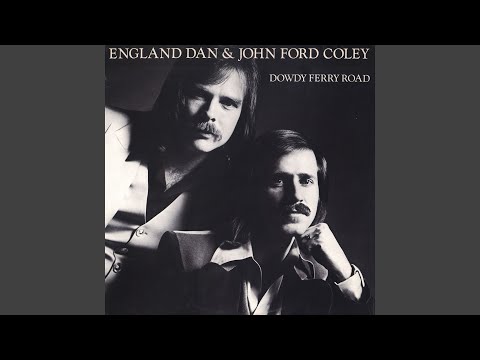
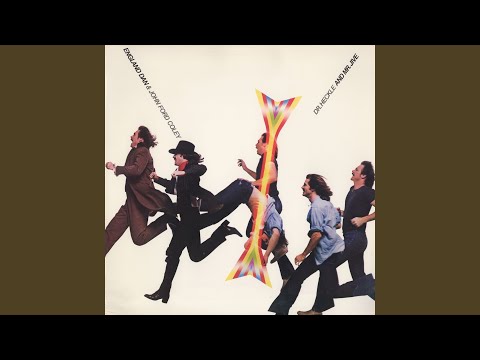

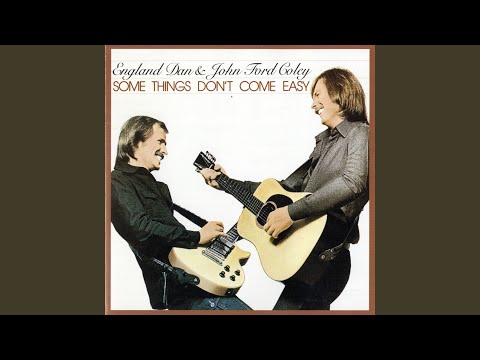
→ More from the 1970s File
View all 1970s hits →




Keep digging