The 1970s File Feature
Turn To Stone
"Turn To Stone" — Electric Light Orchestra's Orchestral Rock Machine in 1977 The ELO Sound at Full Power Imagine the radio landscape of late 1977, a swirling…
01 The Story
"Turn To Stone" — Electric Light Orchestra's Orchestral Rock Machine in 1977
The ELO Sound at Full Power
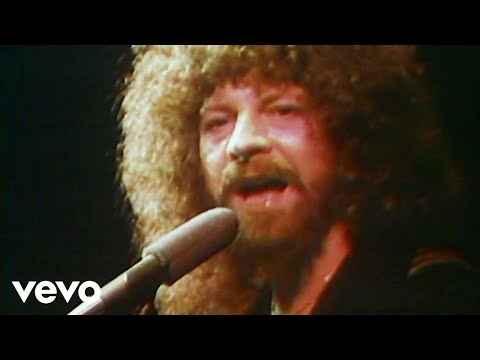
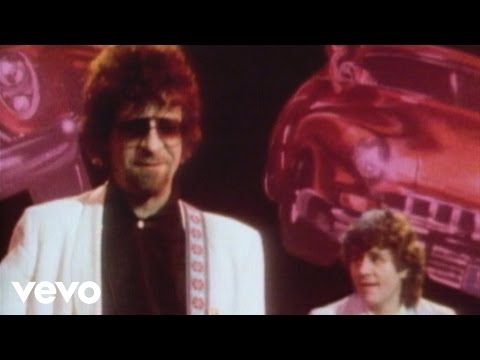
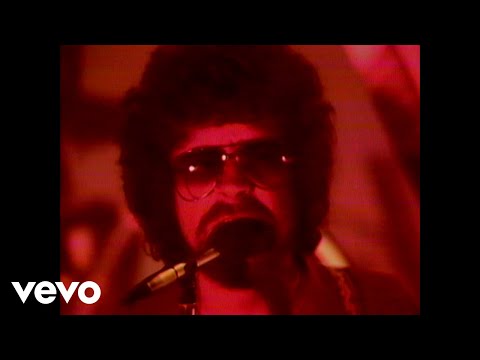
Imagine the radio landscape of late 1977, a swirling confluence of disco rhythms, arena rock bombast, and progressive experimentation. Into that busy frequency stepped Electric Light Orchestra with a track that seemed designed to do everything at once: pulsing synthesizers, lush string arrangements, an insistent rhythm section, and Jeff Lynne's unmistakable melodic sense pulling it all into a package that fit neatly on FM radio without sacrificing an ounce of ambition. "Turn to Stone" was the opening salvo from the album Out of the Blue, and it announced that ELO had no intention of simplifying their approach for anyone.
By 1977, the Birmingham group had spent the better part of a decade building their hybrid identity, taking the orchestral ambitions of the Beatles' later period and fusing them with the energy of contemporary rock. Lynne, the primary creative force, had developed a production style that was immediately recognizable, warm but dense, melodic but layered, with strings and synthesizers woven together so tightly they sounded like a single instrument. "Turn to Stone" represented that approach at a peak of efficiency.
The Making of Out of the Blue
Out of the Blue was recorded in Munich in 1977 at Musicland Studios, a facility that had hosted recordings by the Rolling Stones and Led Zeppelin among others. Jeff Lynne wrote and produced the album in a remarkably compressed period, reportedly completing the double album's worth of material with unusual speed. The Munich sessions gave the record a particular sonic signature, a combination of the studio's technical capabilities and Lynne's exacting production standards.
"Turn to Stone" opens Out of the Blue and functions as a statement of purpose. The track begins with a synthesizer figure that immediately signals the combination of electronic and orchestral elements that would define the album. The string arrangement supports rather than dominates the rhythm track, and the result is a propulsive piece of pop that manages to sound both effortless and meticulously constructed. The song's production values were among the most sophisticated in rock music at that moment, reflecting both the resources available to ELO by that point in their career and Lynne's particular talent for sonic architecture.
The Chart Journey
"Turn to Stone" debuted on the Billboard Hot 100 on November 19, 1977, entering at position 81. The track's ascent was steady rather than spectacular, moving through the sixties, fifties, and forties across the following weeks as radio added it and audiences responded. The climb continued into the new year, and on February 4, 1978, the single reached its peak position of number 13. The track spent fifteen weeks on the Hot 100 in total, a substantial chart run that reflected both the depth of ELO's existing audience and the strength of the song itself as a piece of pop craftsmanship.
Fifteen weeks on the Hot 100 was a meaningful achievement in an era when single releases competed fiercely for radio time and shelf space. The chart trajectory, entering modestly and climbing steadily before settling into a long tail, was typical of album-oriented rock tracks that found their audience through FM radio play rather than immediate pop chart impact. ELO occupied that FM radio space with particular effectiveness throughout the late 1970s.
ELO's Position in the Late 1970s
By 1977, Electric Light Orchestra had become one of the most commercially successful rock acts in the world. Out of the Blue would sell in enormous numbers on both sides of the Atlantic, and the band's concert tour to support it was one of the most elaborate productions in rock history, featuring a flying saucer stage design that had become their visual signature. "Turn to Stone" was one of three singles released from the album in the United States, alongside "Mr. Blue Sky" and "Sweet Talkin' Woman," giving the record exceptional commercial reach across multiple radio formats.
The band's ability to sustain chart presence through the latter half of the 1970s while maintaining artistic ambition was relatively rare. Many of their contemporaries who attempted similar fusions of classical arrangement and rock energy found the commercial calculation harder to manage. Lynne's gift was in making the orchestration feel like pop music rather than making pop music feel orchestrated.
A Song Worth Pressing Play For
Decades on, "Turn to Stone" still sounds like a machine designed for maximum pleasure. The opening synthesizer figure arrives like a signal from a more colorful universe, and by the time the strings and rhythm section are in full motion, there is very little a listener can do except move with it. Put it on and let 1977 have its way with you.
"Turn To Stone" — Electric Light Orchestra's singular moment on the 1970s charts.
02 Song Meaning
"Turn To Stone" — Emotion, Transformation, and the Language of ELO's Pop Universe
The Architecture of Feeling
There is something almost paradoxical at work in "Turn to Stone." The track's production is dense and meticulously layered, synthesizers and strings and rhythm elements stacked with architectural precision, yet the emotional content is spare and legible. The lyrics deal with the familiar territory of romantic longing and the fear of emotional numbness, of what happens when the warmth of connection begins to drain away. Jeff Lynne's gift was in clothing simple emotional truths in unusually elaborate sonic dress, and "Turn to Stone" is a clear example of that talent in practice.
The central theme circles around the idea of becoming rigid, of losing one's emotional responsiveness, and the desperate desire to reverse that process through connection with another person. The language is direct even when the production surrounding it is lavish. That contrast between emotional simplicity and sonic complexity is one of the key reasons ELO's material from this period remained accessible to mainstream audiences while satisfying listeners who wanted more from their pop music than a verse and chorus.
The Cultural Climate of 1977
The late 1970s in America and Britain were years of considerable social anxiety. Economic pressures, post-Vietnam disillusionment, and the sense that the optimism of the 1960s had curdled were all present in the cultural atmosphere. Pop music of this period often pivoted between escapism and emotional directness, sometimes within the same song. ELO's material, with its combination of romantic themes and epic sonic production, served both impulses simultaneously. "Turn to Stone" offered listeners both an emotional anchor and a kind of sonic luxury, a way to feel something while also being transported somewhere more beautiful than the present moment.
Disco was the dominant commercial force in 1977, and its emphasis on bodily pleasure and immediate gratification was in some ways the opposite of ELO's more cerebral approach. Yet ELO managed to maintain enormous commercial relevance despite occupying different aesthetic territory, partly because their production shared disco's interest in sonic sheen and rhythmic drive while serving entirely different emotional and lyrical purposes.
Why the Song Resonated
The emotional core of "Turn to Stone" is recognizable to anyone who has experienced the way loss or disappointment can make a person feel emotionally calcified. The imagery of becoming stone, of hardening against feeling, is a metaphor that crosses cultural and generational lines. Lynne does not sentimentalize this condition. He presents it as something that must be resisted, and the urgency in the vocal performance and production reflects that resistance.
Radio listeners in late 1977 and early 1978 who helped push the track to number 13 on the Hot 100 were responding to that urgency as much as to the song's melodic pleasures. The fifteen weeks the track spent on the chart suggest sustained resonance rather than a flash of initial excitement.
Legacy and Persistence
ELO's catalogue has proven remarkably durable. The band's revival in the 2010s, including a new album and arena touring under Lynne's direction, introduced "Turn to Stone" and its contemporaries to audiences who had not been alive during the original chart run. The song's themes of emotional preservation and romantic need have not dated in any meaningful sense, and the production, while clearly of its era, retains a warmth and detail that rewards repeated listening. The strings still sweep, the synthesizers still pulse, and the central desire at the heart of the lyric still makes perfect sense.
"Turn To Stone" — Electric Light Orchestra's singular moment on the 1970s charts.
→ More from Electric Light Orchestra
View all Electric Light Orchestra hits →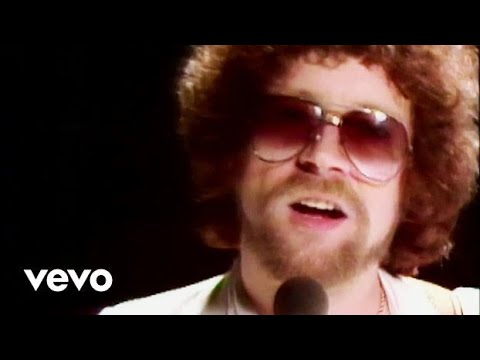
→ More from the 1970s File
View all 1970s hits →




Keep digging