The 1970s File Feature
Saturday Nite
Saturday Nite — Earth, Wind & Fire (1976) Earth, Wind & Fire in 1976 were operating at a level of commercial and artistic achievement that few acts in the hi…
01 The Story
Saturday Nite — Earth, Wind & Fire (1976)
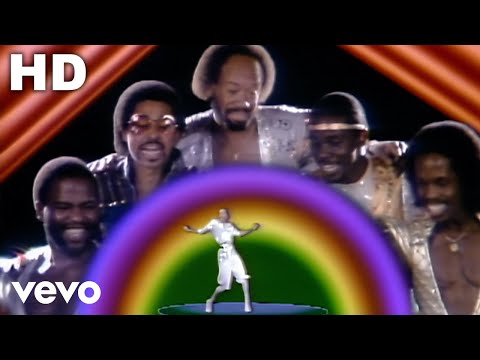
Earth, Wind & Fire in 1976 were operating at a level of commercial and artistic achievement that few acts in the history of popular music have sustained for any significant period. The band led by Maurice White had spent the first half of the decade refining an approach to soul, funk, pop, and jazz that was unlike anything else in the commercial marketplace, combining sophisticated harmonic language, extraordinary musicianship, elaborate production, and a spiritual philosophy that gave their work a sense of purpose and elevation beyond mere entertainment. "Saturday Nite," released as a single from their 1976 album "Spirit" on Columbia Records, was a perfect crystallization of that approach at its commercial peak.
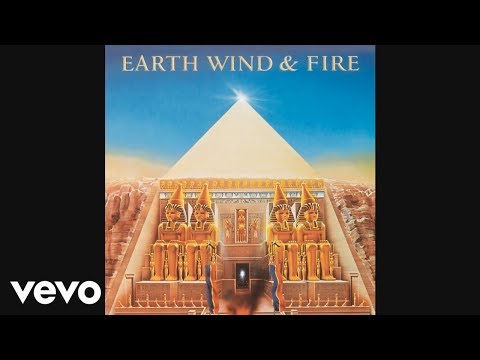
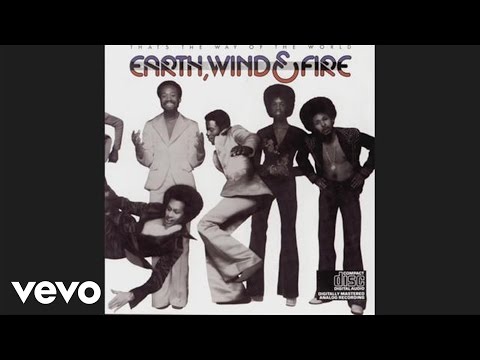
"Spirit" was produced by Maurice White and Al McKay, with White's brother Verdine White anchoring the rhythm section on bass. The album represented a continuation of the extraordinarily productive run that had included "That's the Way of the World" and "Gratitude," recordings that had made Earth, Wind & Fire one of the best-selling acts in popular music. The band's commercial momentum was enormous, and Columbia Records was fully invested in supporting the release with the promotional resources it deserved.
The recording of "Saturday Nite" benefited from the full resources of Earth, Wind & Fire's ensemble, which at this point included some of the most accomplished musicians in the business. The horn section, featuring members of the Phenix Horns, provided the brass accents that were central to the band's characteristic sound. The rhythm section, always the foundation of their approach, was as tight and propulsive as any working in popular music. Vocalist Philip Bailey's falsetto, one of the most distinctive and immediately recognizable sounds in 1970s soul, provided the upper register counterpoint to Maurice White's warmer lead vocal work.
"Saturday Nite" reached number 21 on the Billboard Hot 100 and performed strongly on the R&B singles chart, where Earth, Wind & Fire consistently achieved their most impressive chart numbers. The R&B chart performance reflected the band's status as one of the most important acts in contemporary Black music, a position they had achieved through a combination of musical excellence, visual spectacle in their live performances, and the spiritual and uplifting content of their lyrical themes.
The album "Spirit" was itself a significant commercial and critical success, reaching high positions on both the pop and R&B album charts and generating substantial sales. The album's title reflected the philosophical orientation that Maurice White consistently brought to his work, a belief that music had a responsibility to elevate and inspire as well as to entertain. This philosophy differentiated Earth, Wind & Fire from many of their contemporaries in the funk and soul marketplace and gave their recordings a quality of aspiration that resonated deeply with audiences.
The production values of "Saturday Nite" were representative of the high standard Earth, Wind & Fire had established as their baseline. Every element of the recording, the rhythm tracks, the horn arrangements, the vocal performances, the mix, was executed with the kind of professional excellence that reflected both the musicians' extraordinary individual abilities and Maurice White's demanding production standards. White was known as a perfectionist in the studio, willing to spend whatever time was necessary to achieve the performance he heard in his imagination.
The song received strong radio support across both pop and R&B formats, a reflection of the band's unusual ability to speak to multiple audience constituencies simultaneously. Earth, Wind & Fire's crossover success was not the result of compromising their sound for a mainstream audience but of creating music that was genuinely sophisticated enough to reward close attention while being accessible enough to move casual listeners.
Contemporary critical reception of "Saturday Nite" and "Spirit" more broadly was enthusiastic. Music critics who followed soul and funk recognized the recording as another excellent entry in what was clearly one of the most consistent runs of quality work in the genre's history. The combination of impeccable musicianship, strong songwriting, and production that served both the dance floor and the album listener was acknowledged as a rare achievement.
The legacy of "Saturday Nite" within the Earth, Wind & Fire catalog is that of a representative example of their commercial peak, a track that distills the essential qualities of their approach into single-format length while losing none of the sophistication that made their albums so rewarding. It stands as evidence of the remarkable consistency they maintained across the middle years of the decade, when they were producing top-quality recordings with a regularity that astonished industry observers and delighted their audience.
02 Song Meaning
Meaning and Themes: Saturday Nite — Earth, Wind & Fire
"Saturday Nite" operates in the celebratory register that Earth, Wind & Fire had made their primary artistic domain by 1976. The song is a sustained act of communal invitation, calling listeners into the shared experience of music, dance, and social connection that the Saturday night ritual represented in African American cultural life and, by extension, in the broader popular culture that Earth, Wind & Fire were simultaneously reflecting and shaping. The specific day of the week in the title is not incidental; Saturday night carried particular weight as the moment when the working week's constraints were released and pure pleasure became not only permissible but demanded.
Maurice White's artistic philosophy insisted that music had a responsibility to uplift and inspire, and "Saturday Nite" fulfills that mandate through the celebratory energy of its arrangement and performance rather than through explicit spiritual language. The song's meaning is enacted as much as stated: the performance itself is the argument, the collective musical joy of the recording demonstrating the communal pleasure it describes. This integration of form and content was one of Earth, Wind & Fire's most sophisticated and consistent artistic strategies.
The social dimension of the song's themes was important to the band's artistic mission. Earth, Wind & Fire were not simply making dance music, though they made some of the most effective dance music of their era. They were articulating a vision of human community organized around shared joy, mutual celebration, and the collective experience of great music. The Saturday night gathering evoked in the song is both a specific social ritual and a metaphor for the kind of human connection that the band believed music at its best could facilitate.
Within the context of Earth, Wind & Fire's catalog, "Saturday Nite" represents the celebratory pole of their work, as distinct from the more explicitly philosophical or spiritually oriented recordings that alternated with their dance tracks throughout their discography. The band consistently balanced these poles, offering listeners both the immediate pleasure of great groove-based music and the more contemplative satisfactions of their more reflective work. Maurice White understood that both registers were necessary and that neither could sustain an audience's interest indefinitely without the counterweight of the other.
The horn arrangements that frame and punctuate the recording are not merely decorative but carry specific expressive weight. In the tradition of African American brass-based music that stretched back through jazz and rhythm and blues, the horns function as voices, commenting on and amplifying the emotional content of the vocal performances. Their brassy assertiveness in "Saturday Nite" underlines the song's quality of celebration and adds a collective dimension to what might otherwise be an individual declaration of festive intent.
Philip Bailey's falsetto, woven through the recording's vocal texture, adds a quality of aspiration to the song's celebratory themes. The falsetto register in soul music tradition has always carried associations of spiritual reaching, of striving toward something beyond the mundane. Its presence in a song as apparently uncomplicated as a Saturday night celebration elevates the material, suggesting that the joy being described is not merely recreational but touches something deeper in human experience. This elevation of the ordinary into the transcendent was perhaps the defining quality of Earth, Wind & Fire's most successful recordings, and it is present in "Saturday Nite" as surely as in their most explicitly philosophical work.
→ More from Earth, Wind & Fire
View all Earth, Wind & Fire hits →

→ More from the 1970s File
View all 1970s hits →



Keep digging