The 1970s File Feature
Suspicious Minds
The Story of Suspicious Minds by Dee Dee Warwick Picture the early 1970s, a rich and complicated era for soul music, when great singers brought new depth and…
01 The Story
The Story of "Suspicious Minds" by Dee Dee Warwick
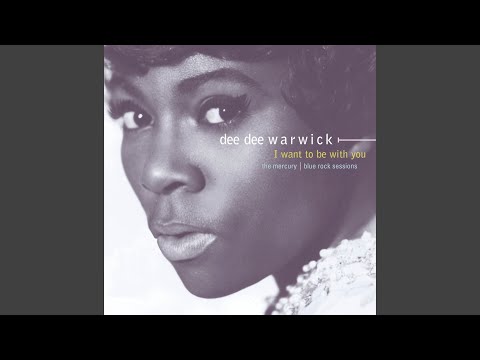
Picture the early 1970s, a rich and complicated era for soul music, when great singers brought new depth and feeling to material both old and new. Among the most gifted yet underappreciated voices of that time was Dee Dee Warwick, a singer of tremendous talent who often performed in the shadow of more famous relatives. With her interpretation of "Suspicious Minds", she brought her own soulful sensibility to a song that had already become a modern classic, demonstrating the power and emotion of her remarkable voice.
A Soul Singer of Real Distinction
Dee Dee Warwick was a deeply talented soul and R&B singer, the sister of one icon and the cousin of another legendary voice. Despite that formidable family lineage, she carved out her own career and earned respect for her powerful, emotive vocals. She had scored hits and was known as a singer's singer, an artist whose gifts were appreciated by those who paid close attention. By the early 1970s she was an established soul performer with a distinctive, heartfelt style all her own.
Reinterpreting a Modern Classic
The song she took on was already famous, a dramatic tale of a relationship trapped by doubt and mistrust that had become a landmark recording. Reinterpreting such a well-known song was a bold choice, and Warwick brought her own soulful intensity to it. Her version emphasized the emotional turmoil at the song's heart, using her expressive voice to convey the pain and tension of a love undermined by suspicion. She found her own path through familiar material, making it feel personal.
A Voice Worthy of Wider Fame
The career of Dee Dee Warwick raises a poignant question that haunts the history of soul music. Why do some extraordinary singers achieve lasting fame while others, equally gifted, remain known mainly to connoisseurs? Warwick possessed a voice of genuine power and emotional depth, the equal of many celebrated names, yet she spent much of her career in the shadow of her more famous family. The reasons for such disparities are rarely about talent alone; timing, material, promotion, and sheer luck all play their part. What is certain is that her recordings deserve to be heard on their own terms, free of any comparison to her relatives. When you listen to her sing, you hear an artist of real conviction, someone who understood how to inhabit a lyric and make an audience feel its weight. This interpretation stands as evidence of gifts that should have earned her a larger place in the spotlight.
A Brief Run on the Hot 100
The single's chart story was modest. It debuted at number 91 on June 26, 1971, and climbed to its peak of number 80 on July 10, 1971, before slipping back in the following weeks. In total it spent five weeks on the Billboard Hot 100, a brief appearance that reflected the challenge of charting a new version of an already iconic song. The recording found its deepest appreciation among soul fans who recognized the quality of Warwick's interpretation.
A Showcase of an Underrated Talent
This recording stands as a fine example of Dee Dee Warwick's considerable gifts, a singer who deserved more recognition than she often received. Her ability to take a familiar song and infuse it with genuine emotion speaks to her artistry. Within the larger story of soul music, she represents the many talented voices who created beautiful work without ever achieving the fame of their more celebrated peers, and this track is a worthy testament to her ability.
A Soulful Rediscovery
Today the song endures as a treasured find for fans of soul music and for those exploring the deeper corners of the genre. Warwick's heartfelt interpretation rewards anyone willing to seek it out, offering a moving alternative to the more famous version. Press play and let her powerful voice draw you in; this is an underrated soul talent bringing her own emotional truth to a classic, and proving she belonged among the greats.
"Suspicious Minds" — Dee Dee Warwick's singular moment on the 1970s charts.
02 Song Meaning
The Meaning Behind "Suspicious Minds"
At its core, "Suspicious Minds" is a portrait of a relationship trapped by doubt and mistrust, a love that cannot move forward because suspicion poisons it at every turn. The song explores the painful cycle of insecurity in a relationship, where neither partner can fully trust the other. Its meaning lies in the tragedy of a love undone not by lack of feeling but by the inability to believe in it.
The Trap of Mistrust
The central theme is the destructive power of suspicion. The song describes two people caught in a relationship they cannot escape and cannot mend, because doubt has taken hold. That cycle of mistrust forms the heart of the lyric, capturing the way insecurity can imprison a couple, keeping them together in misery rather than freeing them or letting them heal. It is a love that has become a kind of trap.
The Pain of Insecurity
Beneath the conflict runs the deeper ache of insecurity. The suspicion the song describes comes from fear, from the dread of being deceived or abandoned. That emotional vulnerability gives the song its tragic dimension, revealing that the mistrust springs not from cruelty but from wounded, frightened hearts. The partners hurt each other because they are afraid, and that fear feeds on itself endlessly.
A Soulful Reading of Heartbreak
Dee Dee Warwick's interpretation brings a particular emotional weight to these themes. Her powerful, expressive voice emphasizes the pain and turmoil at the song's center, making the listener feel the anguish of the trapped relationship. That soulful intensity deepens the song's meaning, turning a tale of mistrust into a raw expression of heartbreak. Her reading underscores the human suffering beneath the drama. Where the famous original built toward dramatic catharsis, Warwick's version lingers in the ache, making the listener sit with the sorrow rather than rush past it.
Why It Resonated
Listeners connected with the song because its portrait of troubled love is so painfully real. The experience of a relationship undermined by doubt and insecurity is one that many people recognize. By expressing that experience with such emotional honesty, the song gave voice to a common and painful struggle. Warwick's heartfelt delivery made the anguish feel genuine and deeply moving.
A Portrait of Troubled Love
In the end, the meaning of the song lies in its unflinching look at how mistrust can destroy love. It captures the tragedy of two people unable to escape a cycle of suspicion, finding the human pain beneath the conflict. That emotional truth, delivered with Dee Dee Warwick's soulful power, is what gives the song its lasting resonance as a portrait of love trapped by doubt. There is a hard wisdom in its refusal to offer easy resolution, an honesty about how fear can quietly dismantle even a genuine bond. Warwick brings that painful truth fully to life, reminding us that the deepest heartbreak often comes not from the absence of love but from the inability to trust it.
→ More from Dee Dee Warwick
View all Dee Dee Warwick hits →
→ More from the 1970s File
View all 1970s hits →




Keep digging