The 1970s File Feature
Will You Still Love Me Tomorrow
Will You Still Love Me Tomorrow — Dave Mason The summer of 1978 was a season of stylistic plurality on the Hot 100, with disco, soft rock, AOR, and new wave …
01 The Story
Will You Still Love Me Tomorrow — Dave Mason
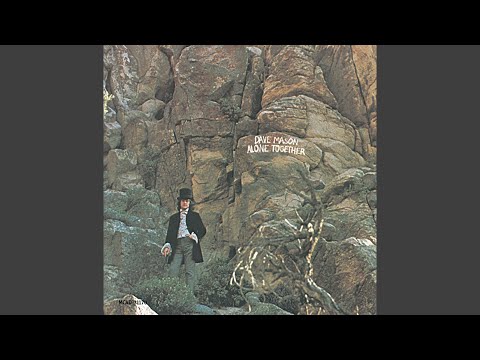
The summer of 1978 was a season of stylistic plurality on the Hot 100, with disco, soft rock, AOR, and new wave all competing for radio time and listener attention. Dave Mason, the British musician who had co-founded Traffic and spent the subsequent decade building a solo career in America, arrived in this competitive landscape with his version of "Will You Still Love Me Tomorrow," the Gerry Goffin and Carole King song that the Shirelles had taken to number one in 1961. The record debuted on June 3, 1978, and spent twelve weeks climbing to a peak of number 39, a genuine commercial achievement for a British-born artist navigating the American soft rock market with a cover of an American classic.
Dave Mason's American Career
Dave Mason had built a more substantial commercial presence in America than in his native Britain, partly through his touring activity and partly through the specific quality of his guitar playing and vocal style, which suited the soft rock and AOR formats that American radio was serving in the mid-to-late 1970s. His 1977 album Let It Flow had generated chart activity, and by 1978 he had established himself as a working commercial artist with a real audience in the American market. His ability to make commercially viable recordings in the California-influenced soft rock style was significant given that his musical origins were in the experimental British rock of Traffic, suggesting a flexibility and a commercial instinct that pure artistic experimentation might not have predicted.
Covering Carole King's Classic
Choosing to record "Will You Still Love Me Tomorrow" in 1978 was a decision to engage with one of the most celebrated pop compositions of the early 1960s and with the song's specific cultural history. The original Shirelles version had been the first number one hit by an all-female group on the pop chart, and the lyric's questioning of whether a romantic encounter would be followed by lasting commitment had been recognized since its original release as one of the more honest and emotionally complex treatments of female experience in pop music. Carole King's subsequent recording of her own composition on Tapestry in 1971 had given the song a second major commercial life and embedded it further in the cultural consciousness. Mason was the third major commercial interpretation of the same material.
The Chart Run
The record debuted at number 72 on June 3, 1978, and climbed consistently over the following weeks: to 69, then 62, 55, 47, and eventually reaching its peak of number 39 during the week of July 8, 1978, before beginning its gradual decline through the remaining weeks of its chart life. Twelve weeks total. A peak of 39 placed the record in genuine top-40 territory, the commercial threshold that radio programmers used as a measure of real hit status, and the twelve-week run confirmed sustained audience engagement across nearly three months of commercial activity.
Male Perspective on a Female Classic
One of the interesting qualities of Mason's recording is the shift in perspective it represented. The original Shirelles version and King's Tapestry recording were both female voices asking the question, which gave the lyric its specific emotional charge: a woman asking whether the man she has been with will still love her in the morning, or whether the night's intimacy will evaporate with daylight. A male voice asking the same question changes the emotional dynamics in ways that invite reflection on what the song was originally about and what it becomes when its narrative perspective is reversed.
The Late 1970s Cover Version Landscape
The late 1970s saw a significant commercial market for well-crafted cover versions of pop classics, particularly in the AOR and soft rock formats where radio programmers were comfortable with familiar material presented in contemporary production styles. Mason's version of "Will You Still Love Me Tomorrow" fit this format perfectly: a known song with genuine emotional substance, given a 1978 production treatment that made it accessible to the soft rock audience without stripping the original's essential quality. The twelve-week chart run confirmed that this commercial logic was sound and that the audience was willing to engage with familiar material in new production clothing.
A Career in Multiple Chapters
The summer 1978 chart performance of "Will You Still Love Me Tomorrow" belongs to the sustained middle period of Dave Mason's commercial career, when he was generating consistent chart activity in the American market through the combination of original material and well-chosen covers. The record's twelve weeks and peak at 39 confirmed his commercial standing in the soft rock marketplace and demonstrated that his instincts about which material to cover were commercially reliable. For a musician whose origins were in the artistic experimentation of late-1960s British rock, that commercial reliability in the American soft rock market was itself a significant professional achievement.
Let the guitar come in and let the question settle over you.
"Will You Still Love Me Tomorrow" — Dave Mason's singular moment on the 1970s charts.
02 Song Meaning
The Morning After and the Question That Remains: What "Will You Still Love Me Tomorrow" Asks
The question in the title is asked in the future tense, which is where all the difficulty lives. Not "do you love me now," which the current circumstances might appear to confirm, but "will you still love me tomorrow," which the current circumstances cannot answer. Tomorrow is the test, and the question acknowledges both the desire to believe the answer is yes and the uncertainty that makes the desire necessary.
Intimacy and Its Morning
The song's central situation, the night of intimacy followed by the question about morning, is one of the most honestly described recurring experiences in pop music. What physical closeness means, whether it creates or merely reflects emotional commitment, whether the vulnerability of intimacy will be honored in the daylight context that follows: these are questions that the experience of intimacy generates reliably, and Goffin and King's lyric named them with the precision of people who understood the difference between what the night says and what the morning confirms.
Carole King and the Art of the Question
Carole King's approach to songwriting was characterized by an emotional honesty that refused comfortable resolutions. The question in "Will You Still Love Me Tomorrow" does not receive an answer within the song; it is asked and left hanging, which is formally appropriate because it is a question whose answer cannot be known at the moment it is asked. The song's refusal to provide its own answer is part of what gives it its particular emotional weight and its durability as a piece of writing: it captures the moment of genuine uncertainty rather than the moment of resolution.
Dave Mason's Guitar Voice
The specific quality Dave Mason brought to the song as a recording artist was his guitar playing, which had a warmth and expressiveness that gave the cover a distinct emotional character. In the soft rock production style of 1978, the guitar could serve the kind of intimate, searching quality that the song's lyric required, providing a sonic environment that matched the emotional register of the question being asked. Mason's specific guitar sensibility, developed through years of playing in the experimental context of Traffic, gave the familiar song a texture that distinguished it from the productions it was competing with on 1978 radio.
The Gender Reversal and Its Implications
When a male voice asks "will you still love me tomorrow," the question's original emotional context shifts significantly. The female version of the question is embedded in a specific social history about sexual double standards, about the consequences for women of intimate encounters that are not followed by ongoing commitment. A male voice asking the same question reframes the vulnerability as something that both genders experience rather than something specifically imposed on one by the other's behavior. The reframing is not necessarily a replacement for the original meaning but a demonstration of the lyric's depth: it holds multiple perspectives simultaneously.
Why the Question Travels Across Decades
The song has been recorded and charted commercially across multiple decades, which confirms that the experience it describes is not historically contingent. The morning after intimacy, the uncertainty about what the closeness of the previous night means for the relationship's future, the desire for the love to persist beyond the immediate moment: these are experiences that repeat themselves reliably across generations, making the question asked in the title permanently available to new performers and new audiences who find their own versions of the uncertainty the lyric so honestly describes.
→ More from Dave Mason
View all Dave Mason hits →

→ More from the 1970s File
View all 1970s hits →




Keep digging