The 1970s File Feature
When I Dream
Crystal Gayle Drifts into Dreamland with When I Dream Imagine the warm hush of a late-1970s evening, the kind of soft-lit hour when country radio slowed down…
01 The Story
Crystal Gayle Drifts into Dreamland with "When I Dream"
Imagine the warm hush of a late-1970s evening, the kind of soft-lit hour when country radio slowed down and let a voice simply float. Into that space steps Crystal Gayle, already one of the most luminous vocalists of her generation, her singing wrapped in the kind of crystalline clarity that made her instantly recognizable. "When I Dream" is a ballad built for exactly those quiet hours, a lush and yearning meditation delivered by a singer at a genuine high point in a career that was reshaping what country music could sound like on the pop-leaning airwaves of the decade.
An Artist at the Height of Her Powers
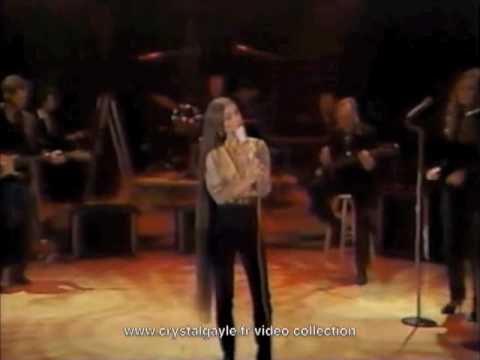
By the time this recording found its way to listeners, Crystal Gayle was riding a remarkable wave of success. She had already crossed over spectacularly from country into the broader pop mainstream, most famously with her signature hit that turned her into a household name and earned her international recognition. Her voice, smooth and effortlessly controlled, along with her famously floor-length hair, made her one of the most visible country stars of the era. She represented a new kind of country artist, one comfortable in supper clubs and on pop charts as much as at the Grand Ole Opry, and this ballad arrived as part of that glittering ascent.
A Gentle Appearance on the Hot 100
On the pop side of things, the single made a brief but real showing. It debuted on the Billboard Hot 100 at number 86 on July 7, 1979, and the following week it nudged up to its peak of number 84 on July 14, 1979. The song spent a total of three weeks on the chart before receding. That modest pop placement, while far below the towering heights of her biggest crossover moments, still testified to her rare ability to reach beyond the country audience and touch mainstream listeners, a feat few of her contemporaries could match with such grace.
The Sound of Countrypolitan Elegance
The recording embodies the polished, sophisticated country-pop aesthetic that flourished in the late 1970s, a style that draped traditional country sentiment in lush arrangements and smooth production designed to sound at home on adult contemporary radio. Gayle's vocal glides across the melody with a dreamy, almost weightless quality perfectly suited to the song's subject matter. This was country music dressed in its finest evening wear, aimed at listeners who wanted warmth and beauty rather than honky-tonk grit, and few singers inhabited that refined territory as naturally as she did.
Part of a Golden Run
This ballad sits within one of the most productive and celebrated stretches of Gayle's long career, a period when she seemed to release one graceful, radio-friendly gem after another. Her success in these years helped define the crossover country sound of the era and paved the way for later artists who would blur the boundaries between country and pop even further. For her devoted following, songs like this one are cherished entries in a catalog defined by consistency, elegance, and that unmistakable voice, a body of work that helped carry country music to audiences it had rarely reached before.
An Invitation to Slow Down
In an age of increasingly frantic music, there is something restorative about a recording this unhurried and this lovely. It asks nothing of you but a few quiet minutes and a willingness to be carried along by a voice that seems to belong to the twilight itself. For anyone seeking to understand why Crystal Gayle became a defining voice of her era, this dreamy ballad is a perfect, soothing place to begin listening.
Put it on when the day winds down and let that shimmering voice do exactly what it was made to do, and you will hear a master of her craft working in her most natural element.
The Wider Musical Moment
To appreciate a record like this fully, it helps to remember the crowded and competitive world it entered. Every week the charts churned with new arrivals, and simply securing a place among them meant winning the attention of programmers, disc jockeys, and record buyers across the country. The song earned its spot on merit, standing shoulder to shoulder with the era's more celebrated releases and reflecting the genuine tastes of the listening public at that precise cultural instant. Its presence on the countdown, however brief or modest, is a small but real piece of the historical record of what audiences were actually hearing and choosing.
"When I Dream" — Crystal Gayle's singular moment on the 1970s charts.
02 Song Meaning
What "When I Dream" by Crystal Gayle Is Really About
At its heart, this song is a tender meditation on longing and the way dreams become a refuge for the heart's deepest desires. It explores the bittersweet gap between what we wish for in our sleeping and waking fantasies and what our real lives actually offer, framing the dream world as a place where love, comfort, and fulfillment feel briefly, achingly possible.
Dreams as Emotional Sanctuary
The central idea running through the song is that in dreams, the singer can have everything her waking life denies her. The dream becomes a private world where longing is answered and absence is filled, if only until morning arrives. The song treats dreaming as an act of yearning, a way of reaching toward a happiness that feels just out of grasp in reality, and that gentle sorrow gives the ballad its emotional depth.
The Ache of Wanting More
Beneath its soothing surface, the song carries a current of melancholy. To dream so vividly of a better, fuller life implies a real life that falls short of it, and that quiet tension between fantasy and reality is what gives the lyric its poignancy. The emotional message is deeply human: everyone knows the feeling of wishing for something more, of using imagination to escape, however briefly, into a world where our desires are finally met.
A Sentiment Suited to Its Era
The song emerged during a period when country-pop ballads often explored themes of romantic longing and emotional reflection, offering listeners music for introspection and quiet evenings. Its dreamy, contemplative mood fit perfectly within the adult contemporary and crossover country landscape of the late 1970s, a moment that prized emotional sincerity and lush, comforting arrangements. It spoke to grown-up listeners navigating the complexities of love and desire in their own lives.
Why Listeners Connected
The song resonated because its central emotion is universal. Nearly everyone has retreated into daydreams or fantasies, has used the imagination as a balm for disappointment or loneliness. Crystal Gayle's tender, luminous delivery makes that private experience feel shared and understood, transforming a solitary act of wishing into a moment of connection between singer and listener. Her voice lends the yearning a beauty that softens its underlying sadness.
The Quiet Power of Longing
Ultimately, the song endures because it captures something gentle and true about the human heart: our tendency to dream of more, to seek in imagination what reality withholds. It does not resolve that longing or promise fulfillment. Instead, it simply honors the beauty and the ache of wanting, wrapping that timeless feeling in one of country-pop's most graceful and comforting voices.
There is also something to be said for the directness with which the song delivers its message. Rather than obscuring its meaning behind cleverness or distance, it states its feeling plainly and lets that sincerity do the work. That honesty is a large part of why the song connects, offering listeners an emotional experience they can grasp immediately and carry with them long after the music fades.
→ More from Crystal Gayle
View all Crystal Gayle hits →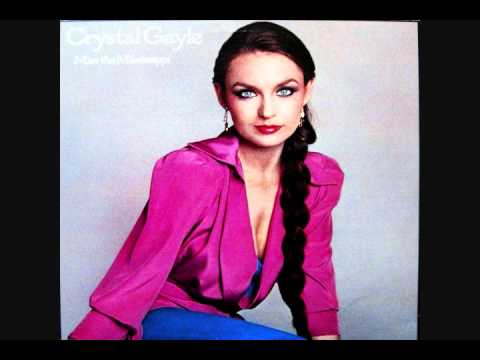


→ More from the 1970s File
View all 1970s hits →




Keep digging