The 1970s File Feature
Someday Never Comes
Someday Never Comes — Creedence Clearwater Revival The spring of 1972 carried the particular weight of an ending. Creedence Clearwater Revival, one of the mo…
01 The Story
Someday Never Comes — Creedence Clearwater Revival
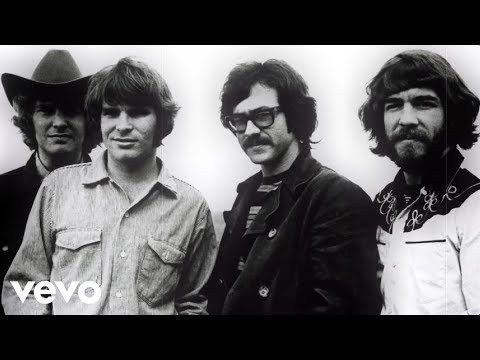
The spring of 1972 carried the particular weight of an ending. Creedence Clearwater Revival, one of the most commercially successful and artistically consistent American rock bands of the late 1960s and early 1970s, was breaking apart. Tom Fogerty had already departed, leaving the band as a trio, and the remaining members were making music under conditions of personal and professional friction that would make the final dissolution inevitable within months. Against this backdrop, Someday Never Comes arrived on the Billboard Hot 100 on May 6, 1972, and climbed to number 25 over eight weeks, the final single the band would release before the end. The song itself, written by John Fogerty, was about fathers and sons and the promises that never arrive, and it is impossible, in retrospect, to hear it without feeling the weight of its moment in the band's history.
The Last Chapter of a Remarkable Run
From 1968 through 1971, Creedence Clearwater Revival had maintained one of the most improbable commercial records in rock history: five consecutive top-ten albums, a string of top-10 singles that included genuine chart-toppers, and a live reputation that made them one of the most in-demand touring acts in America. All of this emerged from a band based in El Cerrito, California, working primarily from the compositional vision of John Fogerty, whose writing drew on the imagery and emotional landscape of the American South despite his Bay Area origins. The combination of commercial efficiency and artistic consistency they had maintained was, by 1972, under severe strain from internal conflict that the continued success had not resolved.
The Sound and Meaning of the Song
Someday Never Comes was built on Fogerty's swamp rock foundation but inflected with a more reflective, personal emotional register than many of the band's more externally directed recordings. The lyric described a father's failure to deliver on the promises he made to his son, tracing the way that deferred explanations and postponed conversations become, through the accumulation of years, conversations that simply never happen. The song then doubled the image by having the narrator, now a father himself, recognize that he is repeating the same pattern with his own child. This generational recursion gave the lyric a depth unusual in the CCR catalog, which tended toward the vivid and immediate rather than the reflective.
The Chart Run
The record debuted at number 72 on May 6, 1972, and climbed with steady momentum over the following weeks: to 43, then 40, 34, 28, and eventually to its peak position of number 25 during the week of June 10, 1972. Eight weeks total on the chart. For a band in the final stages of its commercial life, those eight weeks represented a genuine farewell to the chart presence they had maintained so consistently for four years. The audience that had followed them through their remarkable run was still there, still buying and listening, even as the band itself was coming apart.
The Bayou Myth and Its Source
One of the enduring curiosities of Creedence Clearwater Revival's history is the disconnect between the Southern imagery that saturated their music and the entirely Californian background of the musicians who made it. John Fogerty absorbed the sound of Louisiana and Mississippi from records rather than from the landscape itself, and he constructed a convincing version of swamp rock and Southern roots music without ever having lived in the South. This act of imaginative projection was not dishonest but genuinely creative, a Northern California kid finding in the sounds of the Deep South a more vivid and emotionally resonant vocabulary for the music he wanted to make. The authenticity of the result was confirmed by the millions of listeners who found it utterly convincing.
Dissolution in Real Time
The band that recorded Someday Never Comes was already effectively over when the record was climbing the chart. The interpersonal conflicts within the remaining trio had made continued recording and touring untenable, and the formal dissolution came that fall. John Fogerty would continue as a solo artist, with a career that endured through multiple subsequent decades, but the specific chemistry that had made Creedence one of the decade's most distinctive bands was gone. The final single's subject matter, fathers and sons and deferred conversations, carries additional weight when placed in this biographical context, though Fogerty was writing from personal experience rather than from any awareness that the song would become his band's farewell.
The Legacy of the Final Single
Among CCR enthusiasts and students of early 1970s rock, Someday Never Comes is treated with the particular tenderness that belongs to endings. A band at the peak of its commercial powers making music that was both artistically serious and genuinely resonant with its audience, and doing so in the final months before the partnership that had produced it became impossible to sustain: that combination gives the record a poignancy that transcends its chart position. Number 25 on the Hot 100 is the commercial record; the emotional record is considerably more complicated and considerably more affecting.
Sit with this one and let the weight of it arrive slowly.
"Someday Never Comes" — Creedence Clearwater Revival's singular moment on the 1970s charts.
02 Song Meaning
The Promises That Pass: What "Someday Never Comes" Means
There is a specific form of grief reserved for things that never happened. Not the grief of loss, which at least has an object, but the grief of absence, of the conversation that was always going to happen later and then simply did not. John Fogerty's lyric in Someday Never Comes navigates this emotional territory with unusual precision, constructing its case across two generations and arriving at a conclusion that has the force of recognition rather than revelation.
The Deferred Explanation
The emotional core of the song is the promise that someday things will be explained, that the gaps in understanding between parent and child will eventually be bridged. The word "someday" is one of the most common and most dishonest words in the vocabulary of deferred intention. It gestures toward a future that it does not commit to, and it allows the person who uses it to feel that they have responded to a need without actually responding to it. The song's title contains the entire argument: someday never actually comes, and the things that were supposed to be said eventually join the long inventory of things that were not said.
The Generational Trap
The song's most striking structural move is its doubling: the child who receives the deferred promise grows up to become the father who makes it to his own child. This recursive structure is not cynical but honest; it describes the way certain patterns transmit themselves across generations not because people want to repeat them but because the alternative requires a self-awareness and a deliberate effort that the ordinary pressures of life make difficult to sustain. The narrator is not a villain but a person who, despite knowing what it felt like to be the child waiting for someday, finds himself making the same gestures of deferral.
Fogerty's Personal Register
Creedence Clearwater Revival's catalog was predominantly outward-facing: songs about the American landscape, about political tensions, about archetypal American figures and experiences. Someday Never Comes turned inward in a way that was unusual for Fogerty's songwriting, drawing on personal experience to describe a family dynamic that carries the full weight of unfinished business across the generations. This shift to the personal gave the song a different emotional quality from the band's more externally directed work, closer to the confessional tradition of the singer-songwriter movement than to the bayou rock that defined their commercial identity.
What the Timing Added
Released in the final months of Creedence Clearwater Revival's existence, Someday Never Comes carries retrospective biographical weight that was not present for listeners encountering it in May 1972. A song about things that were supposed to happen but did not, released by a band in the process of dissolving before completing whatever further work the partnership might have produced: the parallel is not forced but simply present, an alignment between artistic content and biographical circumstance that makes the record more affecting in retrospect than it was in its original commercial moment. The band, too, had its someday that never came, the future recordings and continued partnership that the conflicts of 1972 foreclosed.
Why This Kind of Grief Resonates
The emotional experience the song describes, recognizing that the promised someday is not coming, is one that most adults have encountered in various forms. Relationships, conversations, reconciliations, explanations: many of the things that were supposed to happen in the future remain permanently in the future, overtaken by time, geography, death, or simple failure of will. A song that names this experience without sentimentalizing it touches something that listeners carry with them from their own lives, and the recognition it produces is both painful and relieving: painful because it confirms the loss, relieving because it confirms the loss was real enough to be worth acknowledging.
→ More from Creedence Clearwater Revival
View all Creedence Clearwater Revival hits →

→ More from the 1970s File
View all 1970s hits →




Keep digging