The 1970s File Feature
Whatever Happened To Benny Santini?
Whatever Happened To Benny Santini? by Chris Rea Step into 1978, when a distinctive British singer-songwriter with a smoky voice and a gift for atmosphere wa…
01 The Story
"Whatever Happened To Benny Santini?" by Chris Rea
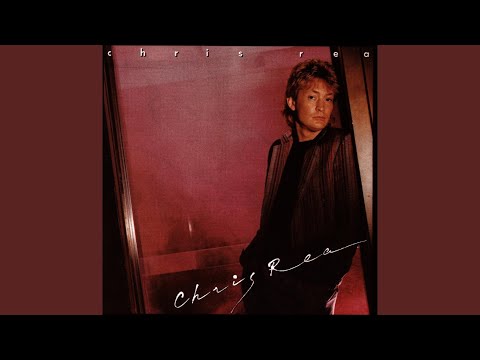
Step into 1978, when a distinctive British singer-songwriter with a smoky voice and a gift for atmosphere was introducing himself to the world. Chris Rea arrived with a debut that took its name from "Whatever Happened To Benny Santini?," a title rich with irony about identity and the music industry. The song and the album it titled marked the beginning of a long and respected career, presenting a thoughtful new artist whose warm, husky voice and melodic sensibility would win admirers for decades to come.
The Arrival of a Distinctive Voice
Chris Rea entered the scene as a singer-songwriter known for his husky, soulful voice and his understated, melodic style. The title carried a personal sting: early in his career, the music industry had reportedly considered renaming him with a more marketable stage identity, and Benny Santini represented that imposed, artificial persona. The question of whatever happened to that invented name reflected Rea's resistance to being repackaged. It announced an artist determined to succeed on his own terms, with his own identity intact.
A Thoughtful Debut Statement
The recording reflects Rea's emerging style, blending soulful vocals with melodic, atmospheric arrangements. The mood is reflective and a little wry, fitting for a title that comments on the artifice of the music business. There is warmth and sincerity in the delivery, the sound of an artist with something genuine to say. The album that shared this title became Rea's launching pad, introducing the husky, expressive voice and the thoughtful songwriting that would define his work and earn him a loyal following over the years.
Its Run on the Hot 100
The single carved out a brief presence on the American chart late in 1978. It debuted on the Billboard Hot 100 on November 11, 1978, at number 84, then climbed through 77, reaching its peak of number 71 during the week of November 25, 1978, where it held for a second week. Across its life the record spent four weeks on the Hot 100. While a modest chart showing, this early American appearance helped establish Rea internationally and laid the groundwork for the success that would follow throughout his career.
The Start of a Long Career
"Whatever Happened To Benny Santini?" marked the beginning of Chris Rea's journey, a debut statement from an artist who would go on to enjoy a long and distinguished career, particularly in Britain and Europe. It captures the qualities that made him special: the distinctive voice, the melodic gift, and the refusal to be molded into something he was not. The song endures as the cornerstone of his story, a fitting introduction to a thoughtful artist who valued authenticity. It remains a meaningful entry point into a rich and respected catalog.
Identity Against the Machine
The story behind the title gives the song an extra layer of meaning that resonates beyond its melody. The music industry has always had a tendency to reshape artists, to package them into marketable images that may have little to do with who they actually are. Rea's title confronts that tendency head-on, transforming his resistance to a manufactured name into the very identity of his debut. There is real wit and defiance in that gesture, an artist refusing to disappear behind an invented persona and instead making his authentic self the whole point. That commitment to authenticity would serve him well across a career built on integrity rather than image. He never became a flashy pop star, but he earned the lasting respect of audiences who valued substance and sincerity. The tale embedded in this title set the tone for everything that followed, announcing a musician who would always prioritize honesty over packaging. For an artist's very first major statement, choosing to make that point so directly was a bold and revealing decision, and it helped define the thoughtful, principled reputation that Rea would carry throughout his long and admired career.
Press play and let Chris Rea's husky voice and thoughtful craft introduce you to the start of a remarkable career.
"Whatever Happened To Benny Santini?" — Chris Rea's singular moment on the 1970s charts.
02 Song Meaning
The Meaning Behind "Whatever Happened To Benny Santini?"
At its heart, this is a song about identity and the artifice of the music industry. The title poses a question about a manufactured persona, reportedly the marketable stage name that the industry once considered imposing on Chris Rea himself. By asking whatever happened to that invented figure, the song comments wryly on the way the business tries to repackage artists into something more commercial. It is a meditation on authenticity, on the tension between who you are and who you are told to be.
The Manufactured Self
The central theme is the conflict between real and invented identity. Benny Santini represents the artificial persona the industry might have created, a marketable mask placed over a genuine artist. The song's question carries a hint of irony and resistance, an artist refusing to vanish behind a fabricated name. That tension between authenticity and packaging gives the song its thoughtful, knowing edge, reflecting on the cost of letting others define who you are.
Wry Reflection and Sincerity
Emotionally, the song trades in reflective irony and warmth. There is a wry, self-aware quality to commenting on the industry's tendency to reshape artists, but beneath it lies genuine sincerity and a commitment to being true to oneself. Rea's husky, soulful voice lends the reflection real warmth, keeping the song from feeling merely cynical. That blend of knowing commentary and heartfelt authenticity is the emotional core, a thoughtful artist asserting his real identity.
Authenticity in the Music Business
The cultural context gives the song its bite. The music industry of the era, like every era, often sought to mold artists into marketable images, sometimes against their own wishes. A song that directly addressed that tendency, questioning the very idea of a manufactured persona, spoke to a real tension faced by many performers. It reflected a moment when artists increasingly valued authenticity and resisted being repackaged, asserting their right to succeed as themselves.
Why It Resonated
The song connected because its theme speaks to anyone who has felt pressure to become something they are not. The struggle to maintain a genuine identity against forces that would reshape you is broadly relatable, extending well beyond the music industry. Delivered with Rea's distinctive voice and thoughtful sincerity, that reflection on authenticity felt meaningful and honest. The combination of a relatable theme and a genuine, soulful delivery is exactly why the song made a lasting impression as the debut of a principled artist. There is courage in beginning a career by questioning the very machinery meant to launch it. Rather than playing along quietly, Rea chose to make his resistance to artifice the centerpiece of his introduction. That boldness signaled exactly the kind of artist he would prove to be, one who valued his own voice over any image others might impose. Listeners drawn to authenticity recognized a kindred spirit, and that honest, self-aware beginning set the tone for a career built on substance.
→ More from Chris Rea
View all Chris Rea hits →
→ More from the 1970s File
View all 1970s hits →




Keep digging