The 1970s File Feature
You Are On My Mind
Chicago's Quieter Side: "You Are On My Mind" (1977) By the spring of 1977, Chicago had been one of the most commercially successful rock groups in the United…
01 The Story
Chicago's Quieter Side: "You Are On My Mind" (1977)
By the spring of 1977, Chicago had been one of the most commercially successful rock groups in the United States for nearly a decade. Their debut double album in 1969 had announced an ensemble of remarkable technical proficiency, fusing jazz-influenced horn arrangements with rock rhythm and pop melody in a way that found enormous radio and retail success. Through the early and mid-1970s, the group had produced a consistent stream of top-ten singles and platinum albums, establishing themselves as reliable architects of a sophisticated pop sound that occupied a specific and well-defined place in the American musical landscape.
The year 1977 was a transitional one for the group, however. The death of guitarist Terry Kath, who would die of an accidental self-inflicted gunshot wound in January 1978, was not yet known, but the group was navigating the commercial pressures of the mid-decade rock landscape and the changes in radio that the rise of disco and the continuing fragmentation of the album rock format were producing. The album Chicago XI, released in September 1977, would represent one of the last recordings of the classic lineup before Kath's death altered the group's configuration permanently.
"You Are On My Mind" appeared as a single from this period, entering the Billboard Hot 100 on April 9, 1977, at number 83. The chart performance was moderate: the single climbed steadily through April, reaching number 62, then 49, where it peaked on April 30 and held for a second week on May 7, 1977. The seven-week chart run of the single reflected Chicago's continued but somewhat reduced commercial presence on the pop singles chart at this point in their career, a period when their most spectacular chart successes were behind them but their audience remained substantial.
The song exemplified the softer, more ballad-oriented direction that Chicago had been pursuing with increasing frequency since the mid-1970s. Where their early recordings had featured complex time signatures and extended instrumental passages that reflected the jazz training of several members, the mid-to-late-1970s material tended toward more straightforward pop structures that prioritized melody and emotional accessibility over harmonic complexity. This shift had attracted criticism from some listeners who felt the group was abandoning what had made them distinctive, and had attracted continued commercial success from others who found the simpler approach more emotionally direct.
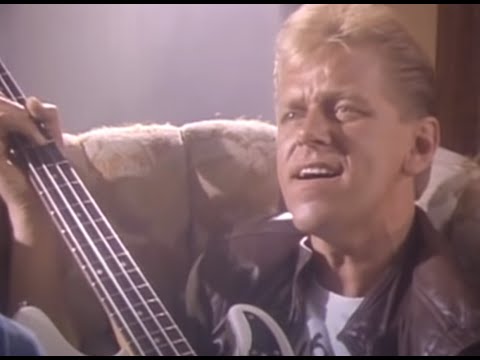
Peter Cetera's voice was central to the ballad-oriented material of this period. Cetera, the group's bassist and co-lead vocalist, possessed a tenor of unusual purity and expressiveness that was ideally suited to love songs and emotional ballads. His contribution to the Chicago sound evolved over the course of the 1970s from his early role as one voice among several in a collectively oriented ensemble to an increasingly prominent position as the primary vehicle for the group's commercial pop identity. This evolution reflected both Cetera's artistic development and the commercial logic of a music market that rewarded a clearly identifiable vocal identity.
The production of the group's mid-to-late-1970s material bore the influence of producer James William Guercio, who had guided Chicago's commercial ascent from the beginning. Guercio's production philosophy emphasized clarity and directness, allowing the group's natural musicianship to come through without excessive overlay while shaping the final product toward maximum radio compatibility. The result was a signature sound that was immediately recognizable and that served the group's commercial purposes effectively, even as it represented a significant simplification from the jazz-rock complexity of their debut recordings.
The horn section that had always been Chicago's most distinctive instrumental feature remained present in their mid-decade recordings, providing the sonic identity that distinguished them from the many soft-rock acts competing for similar radio space. Brass players Lee Loughnee, James Pankow, and Walter Parazaider had been with the group since its formation, and their presence gave even the most pop-oriented material a characteristic texture that connected it to the group's jazz-influenced origins. On "You Are On My Mind," the horns operated within a more restrained arrangement than the group's earlier work had featured, serving the ballad's emotional content rather than asserting a separate musical agenda.
The single represents Chicago at a specific moment of commercial and artistic transition, producing music that served their existing audience well while the broader landscape shifted around them. Their subsequent work would continue to evolve, and they would find new commercial success with later lineups and configurations. "You Are On My Mind" stands as a document of the original ensemble navigating the mid-decade pop market with the professional assurance that nearly a decade of continuous success had given them.
02 Song Meaning
Preoccupation as Love: The Meaning of "You Are On My Mind"
"You Are On My Mind" by Chicago belongs to the tradition of songs that describe romantic preoccupation: the state in which a particular person occupies the narrator's thoughts continuously and involuntarily, colonizing attention that might otherwise be directed elsewhere. This is one of the most fundamental experiences in romantic attachment, and it has generated an enormous body of popular song across virtually every genre and era. What Chicago brought to the subject was their specific musical sensibility and the particular vocal qualities of their lead performers.
The experience described in the song's title is simultaneously pleasurable and disruptive. To have someone perpetually on one's mind is to be reminded of their presence at every moment, which can feel like a form of richness when the relationship is going well and a form of torment when it is not. The ambiguity of the song's emotional situation, which is not fully specified in the title alone, is part of what gives the subject its enduring appeal as a topic for popular songwriting. Different listeners can bring different situations to the same statement and find it equally appropriate.
Chicago's mid-1970s musical approach was well-suited to this kind of emotionally ambiguous material. Their sound by 1977 had developed a polished warmth that held emotional content without forcing it toward definitive resolution, allowing the listener to inhabit the feeling the music described without being directed toward a particular conclusion. This quality was related to the jazz tradition, in which emotional complexity is often sustained rather than resolved, but it expressed itself in a pop idiom that was far more immediately accessible than jazz itself.
The horn arrangements that remained a signature of Chicago's sound even in their more pop-oriented period added a specific quality to the song's emotional register. Brass instruments carry particular cultural associations in American popular music: they evoke celebration, ceremony, and a kind of urban sophistication that connects to the swing era and the jazz tradition. On a love song, these associations give the emotional content a slight formal quality, as though the feeling being described is significant enough to warrant a certain musical grandeur. The horns on "You Are On My Mind" operated in this way, elevating the personal statement of the song's central subject.
The song also participates in the broader project that Chicago had been pursuing throughout their career: the demonstration that sophisticated musicianship and commercial accessibility were not mutually exclusive, that a group could play with technical skill and still communicate emotional content in an immediately accessible way. This was not a trivial achievement in the context of American rock music, which had developed strong ideological commitments both to raw simplicity and to progressive complexity that tended to exclude the space that Chicago occupied.
Peter Cetera's vocal contributions to this material were essential to its success. His voice carried a quality of earnest vulnerability that made declarations of romantic feeling sound genuine rather than performed, and his ability to sustain melodic lines with clarity and expressiveness gave the group's ballad material a distinctive character. In the context of "You Are On My Mind," that vocal quality communicated a preoccupation that felt real and present rather than conventionally asserted.
The song ultimately means what all honest love songs mean: that the presence of a particular person in one's consciousness is both a gift and a kind of absorption, that romantic attachment reshapes the contours of ordinary awareness. Chicago communicated this with the musical resources of a highly accomplished ensemble, making the personal universal through the specific combination of melody, harmony, and voice that was their particular contribution to American popular music.
→ More from Chicago
View all Chicago hits →



→ More from the 1970s File
View all 1970s hits →




Keep digging