The 1970s File Feature
Pay To The Piper
The Story Behind Chairman Of The Board's Pay To The Piper An Invictus Records Success Story By late 1970, Chairman Of The Board had emerged as one of the fla…
01 The Story
The Story Behind Chairman Of The Board's "Pay To The Piper"
An Invictus Records Success Story
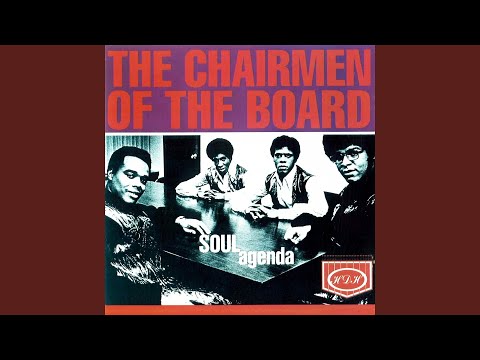
By late 1970, Chairman Of The Board had emerged as one of the flagship acts on Invictus Records, the label founded by Motown veterans Holland-Dozier-Holland after their acrimonious split from the label that had made them famous. This song arrived as one of the group's strongest showings, a soulful, horn-driven single that demonstrated the songwriting and production team's continued ability to craft irresistible pop-soul hooks even outside the Motown machine that had originally made their reputation as hitmakers throughout the sixties.
Holland-Dozier-Holland's Post-Motown Chapter
Having written and produced an extraordinary run of hits for Motown throughout the 1960s, Holland-Dozier-Holland brought that same instinct for propulsive rhythm and catchy hooks to their new venture, and Chairman Of The Board quickly became one of the clearest showcases of that expertise translating successfully to a new label environment. This song benefited directly from that pedigree, carrying the same polished, radio-ready craftsmanship the songwriting trio had honed over years of relentless hitmaking for other artists.
General Johnson's Commanding Lead Vocal
Frontman General Johnson brought a distinctive, expressive vocal style to the group's material, capable of both smooth soul phrasing and more urgent, emotionally charged delivery depending on what a song demanded. His performance here anchors the track, giving the group's sound an identifiable signature that helped distinguish Chairman Of The Board from the many other soul acts competing for attention on radio during this crowded period.
A Sustained Climb Into the Top Fifteen
The single debuted on the Billboard chart on November 14, 1970, entering at number 78. It then climbed steadily and impressively over the following weeks, moving to 68, then 58, then 41, then 32, before ultimately reaching a peak position of number 13 during the week of January 9, 1971. Altogether, the song spent an impressive thirteen weeks on the Hot 100, confirming it as one of the group's most successful and enduring singles.
Crossing Into the New Year
The song's chart run spanned the transition from 1970 into 1971, giving it an unusually extended and sustained presence on the charts that carried across two calendar years without interruption. That kind of prolonged run reflected genuinely broad and durable audience interest rather than a brief seasonal spike tied to any single holiday or promotional moment surrounding its release, suggesting the record had settled into heavy rotation on stations across the country.
Part of Invictus Records' Broader Success
This chart placement contributed to establishing Invictus Records as a legitimate commercial force in the early 1970s soul landscape, proving that Holland-Dozier-Holland's songwriting instincts remained just as sharp outside Motown's walls as they had been within them for years. Chairman Of The Board's success helped validate the label's entire business model at a critical early stage in its independent development, giving the fledgling company real commercial credibility it could build upon.
A Blueprint for Independent Soul Labels
The song's success also offered a broader blueprint for how independent soul labels could compete with the larger, more established players of the era, proving that strong songwriting and a distinctive vocal talent could overcome the resource disadvantages smaller operations often faced against major label competition backed by far greater promotional budgets and radio connections.
A High-Water Mark Worth Revisiting
Today, the song stands as one of the clearest examples of Chairman Of The Board's commercial peak and a strong reminder of Holland-Dozier-Holland's enduring production instincts long after leaving Motown. Press play and you can hear exactly why it climbed so high, a tightly crafted soul record built by some of the genre's most accomplished songwriting minds working at full strength, still capable of shaping the sound of popular radio years after their most famous Motown successes had already passed.
"Pay To The Piper" — Chairman Of The Board's singular moment on the 1970s charts.
02 Song Meaning
What "Pay To The Piper" by Chairman Of The Board Is Really About
A Warning About Reckoning and Consequence
At its core, this track builds on the old idiomatic warning that everyone eventually must settle their debts, using that familiar phrase as a metaphor for facing the consequences of one's actions, particularly within a relationship where trust has been strained or broken. The title itself signals the song's central theme before a single lyric arrives, framing the narrative around accountability and an inevitable, unavoidable reckoning.
General Johnson's Urgent, Pleading Delivery
Frontman General Johnson's vocal performance gives the song's cautionary message real emotional urgency, moving between smooth persuasion and more forceful, insistent delivery as the track builds toward its climax. That vocal range allows the song to communicate both warning and genuine emotional stakes simultaneously, ensuring the message never feels like a simple moral lecture detached from real feeling or consequence.
Holland-Dozier-Holland's Signature Storytelling Craft
The songwriting team behind the track had already demonstrated, across years of Motown hits, a particular gift for wrapping serious emotional themes inside instantly memorable, danceable arrangements. This song continues that tradition, taking a fundamentally serious message about consequence and accountability and setting it against a rhythmically propulsive, horn-accented backdrop that keeps the record feeling energetic rather than heavy-handed or preachy.
Idiom as Universal Emotional Shorthand
By building the song around a widely understood idiom, the songwriters gave listeners an immediate, intuitive entry point into the track's meaning without requiring elaborate lyrical exposition to explain it. That familiarity helped the message land quickly and clearly, a valuable quality for a single competing for attention on crowded early-1970s radio playlists nationwide.
Soul Music's Tradition of Moral Framing
Soul music throughout this era frequently explored themes of accountability, consequence, and emotional debt within relationships, and this track fits comfortably within that broader lyrical tradition. Rather than framing love purely as celebration or heartbreak, the song positions it as a kind of ledger that eventually must balance, a perspective that added genuine thematic weight to an otherwise upbeat, danceable record.
Why the Message Still Lands
Even removed from its early-1970s context, the song's central warning about facing consequences remains broadly relatable, a reminder that avoidance rarely works indefinitely in matters of the heart. That timeless quality, paired with the group's polished, hook-driven production, helps explain why the record climbed so successfully and continues to hold up as a compelling piece of soul songwriting today, decades after its original release.
A Message Wrapped in Motion
What ultimately makes the song memorable is its refusal to separate meaning from movement, delivering a genuinely serious message while never losing sight of the fact that listeners wanted something they could dance to as well, week after week on radio and in clubs alike.
→ More from Chairman Of The Board
View all Chairman Of The Board hits →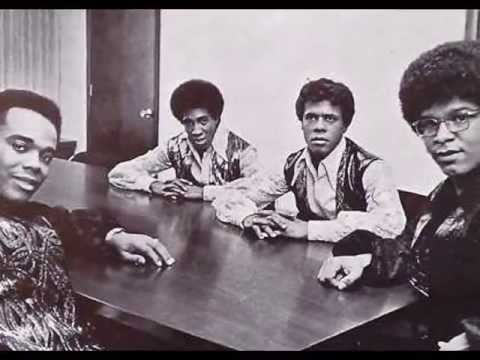
→ More from the 1970s File
View all 1970s hits →




Keep digging