The 1970s File Feature
We've Only Just Begun
"We've Only Just Begun" — The Carpenters and the Sound of American Optimism A Television Commercial Becomes a Standard The story of how "We've Only Just Begu…
01 The Story
"We've Only Just Begun" — The Carpenters and the Sound of American Optimism
A Television Commercial Becomes a Standard
The story of how "We've Only Just Begun" came to exist says something important about how pop songs move through culture. Roger Nichols and Paul Williams wrote the core of the song as a jingle for a California bank's television commercial in 1970, a brief piece designed to evoke new beginnings and gentle promise. That it became one of the most beloved wedding songs in American popular music, one of the signature recordings of the entire decade, and a launching pad for one of the most commercially successful acts of the early 1970s, is the kind of trajectory that commercial music's gatekeepers rarely predict. Richard and Karen Carpenter heard the commercial, saw the potential in the fuller song Williams had written around it, and recorded a version that transformed a television spot into something considerably more lasting.
Richard Carpenter's Production Vision
Richard Carpenter's role as the band's arranger and producer is central to understanding why the Carpenters' records sound the way they do. His instinct for harmonic richness, his preference for lush orchestral textures, and his meticulous approach to vocal layering gave the Carpenters a sonic identity that was immediately recognizable and genuinely sophisticated despite being aimed squarely at mainstream audiences. On "We've Only Just Begun," the production built a warm cocoon of strings, gentle piano, and layered vocal harmonies around Karen's lead, creating the impression of something intimate and expansive at once. The arrangement never clutters; it breathes, expanding and contracting to give Karen's voice the space it needed to register every nuance of the lyric's hopeful message.
Karen's Voice and the Chart Ascent
Karen Carpenter's contralto was one of the genuinely distinctive instruments in American popular music, a voice warm enough to sound intimate across a radio speaker but technically controlled enough to sustain the kind of sustained melodic lines Richard's arrangements demanded. Her delivery on this recording remains the emotional center of everything that works about it. The song debuted on the Billboard Hot 100 on September 12, 1970, beginning at position 84 and climbing steadily through a fall season that found American radio in transition, caught between the psychedelic remnants of the late 1960s and the soft rock sensibility that was about to dominate the decade. The track peaked at number 2 on October 31, 1970, spending 17 weeks on the Billboard Hot 100. That it couldn't reach the top position reflects only how competitive that particular moment on the chart was, not any deficit in the recording itself.
The Wedding Standard That Changed Everything
The song's adoption as a wedding ceremony staple happened organically, a reflection of how accurately Paul Williams had identified something in human emotional experience that transcended its original commercial context. The lyric speaks to the beginning of shared life, to the road stretching forward with its mixture of promise and uncertainty, to the comfort of facing that road with someone beside you. Those themes connected with listeners across demographic lines in a way that few pop singles of the era managed. The Carpenters' recording of it appeared on their second album, Close to You, released in 1970, and that album would prove enormously significant for the band's commercial trajectory through the early part of the decade.
A Foundation for Decade-Long Success
The success of "We've Only Just Begun" arriving immediately after "Close to You" had already become a massive hit established the Carpenters as one of the most commercially reliable acts in American popular music. Their particular blend of harmonic sophistication, production richness, and Karen's unmistakable voice found an audience that remained loyal through changing musical fashions. Richard Carpenter's arrangement work on this early hit set the template for recordings they would continue refining across the first half of the 1970s. The song became so thoroughly associated with the Carpenters that its origins in a bank commercial surprise most listeners who encounter that fact for the first time. Press play and you'll hear exactly why: this recording inhabits its emotional territory with complete conviction.
"We've Only Just Begun" — The Carpenters' singular moment on the 1970s charts.
02 Song Meaning
"We've Only Just Begun" — Hope, Partnership, and the Grammar of New Beginnings
The Road Ahead as Emotional Architecture
Paul Williams structured "We've Only Just Begun" around one of the most universally legible human experiences: the moment when something new starts, when what lies behind matters less than what stretches forward. The lyric's central image is the road, the journey undertaken together, the white bird and the open sky of early commitment before the complications of sustained life begin. That imagery is deliberately unspecific in the best sense, concrete enough to feel real but open enough that listeners could map their own circumstances onto it. A song that speaks to everyone's beginning without belonging exclusively to any single one has found something genuinely valuable in the songwriting craft.
Optimism as a Political Stance
Released in the fall of 1970, the song arrived at a specific cultural moment worth acknowledging. The previous decade had ended in violence, political turmoil, and the exhaustion that follows sustained collective trauma. Kent State had happened in May. The counterculture was fracturing. The war continued. Into that atmosphere, a song celebrating new beginnings and shared futures carried a meaning that went beyond its surface subject matter. The Carpenters' recording offered a kind of emotional permission to hope, to believe in the possibility of good things, to set aside the weight of recent years and imagine a different kind of future. That function helps explain why it found such a wide audience despite, or perhaps because of, the cultural turbulence surrounding its release.
Karen Carpenter and Emotional Authenticity
Singers bring different qualities to material they record, and Karen Carpenter brought something particularly suited to this lyric: a voice that sounded genuinely open, genuinely present, genuinely moved by what it was singing. Her delivery never sentimentalized the material or pushed it into tearful excess; it inhabited the lyric with a quiet confidence that made the song's hopefulness feel earned rather than manufactured. That quality of sincerity, rare in pop production of any era, is what separated the Carpenters' recordings from the merely competent easy-listening music that surrounded them on radio. You believed Karen when she sang this, and belief is ultimately what makes a pop song last.
The Wedding Song Phenomenon
Few recordings in American popular music have achieved the specific social function of the wedding song as thoroughly as this one. Its adoption into wedding ceremonies reflected a judgment made by millions of couples independently: the song captured something true about the beginning of shared life. That kind of organic adoption into ritual is impossible to manufacture; it happens when a song's emotional content aligns with something genuine in human experience. "We've Only Just Begun" earned its place in wedding culture not through marketing but through accuracy, through the precision with which Paul Williams identified and articulated a feeling that people recognized as their own.
Legacy Across Generations
The song has been covered countless times and continues to appear in films, television programs, and advertising contexts that draw on its associations with hopeful beginnings. Each generation of listeners discovers it fresh, often through those secondary appearances before encountering the Carpenters' original. The recording peaked at number 2 on the Billboard Hot 100 in October 1970, a commercial achievement that its subsequent cultural longevity has only amplified. Songs with this kind of multigenerational resonance are rare enough that they deserve attention as cultural artifacts, not merely as historical chart entries. This one earns that distinction through the quality of its emotional intelligence.
→ More from Carpenters
View all Carpenters hits →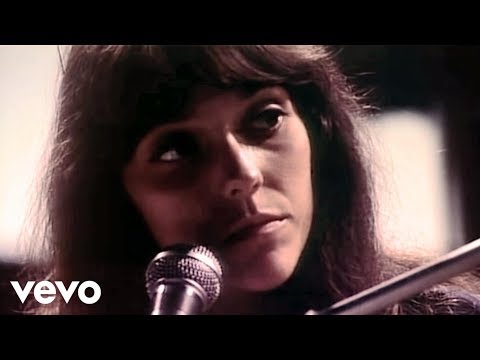



→ More from the 1970s File
View all 1970s hits →




Keep digging