The 1970s File Feature
Only Love Is Real
The Story Behind Only Love Is Real by Carole King Picture a sunlit canyon studio in the mid-1970s, acoustic guitars leaning against the wall and a piano that…
01 The Story
The Story Behind "Only Love Is Real" by Carole King
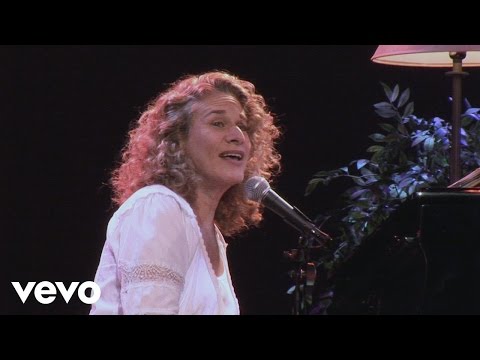
Picture a sunlit canyon studio in the mid-1970s, acoustic guitars leaning against the wall and a piano that has heard a thousand songs take shape. By 1976 Carole King had already changed popular music forever, and this single found her doing what she did better than almost anyone: turning plainspoken wisdom about love into melody that sounds like it has always existed. It is warm, unhurried, and quietly self-assured.
After the Earthquake of Tapestry
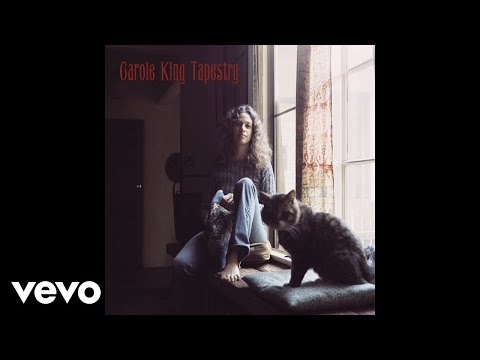
To understand this song you have to remember the colossus standing behind it. King's 1971 album Tapestry became one of the best-selling and most beloved records of all time, a singer-songwriter landmark that defined an entire era of confessional, piano-driven music. Living up to that achievement was an impossible task, yet King kept writing and recording with the same generous spirit. By the mid-1970s she had built a body of work that prized honesty over flash, releasing album after album of music that valued emotional truth above commercial calculation.
A Song That Cuts to the Bone
"Only Love Is Real" arrived as a single from her 1976 album Thoroughbred, a record that reunited her with longtime collaborators from her California circle. The song's message is right there in the title, a gentle insistence that amid life's noise and distractions, love is the one thing that truly endures. The arrangement carries King's signature warmth, her piano grounding a melody that feels conversational and intimate. There is no grand production trickery, only a craftswoman trusting a strong song to do the work. That trust was hard-won, the product of a writer who had spent more than a decade learning exactly how much a simple, well-shaped melody can carry without ornament.
The Sound of the Canyon
This single belongs to a distinct moment in American music, the era of the singer-songwriter who treated the studio as a living room rather than a showroom. King had become one of the defining voices of that movement, alongside the loose community of artists associated with the Laurel Canyon scene who prized intimacy, acoustic textures, and emotional candor. Thoroughbred drew on those connections, surrounding her with musicians who understood the value of restraint. The result is music that feels handmade and unhurried, more concerned with sincerity than with spectacle. In a year increasingly dominated by the gleam of disco and the volume of arena rock, this gentle ballad represented a quieter, more reflective strain of popular music, one that asked listeners to lean in rather than turn up.
A Solid Showing on the Hot 100
The single performed well for a tender, mid-tempo ballad in a year crowded with disco and rock. It debuted at number 77 on February 14, 1976, then climbed steadily through late winter. It reached its peak of number 28 during the week of April 3, 1976, and spent 11 weeks on the Billboard Hot 100. While it never approached the ubiquity of her early-decade smashes, it confirmed that her audience remained loyal and that her gift for an emotionally direct hook had not dimmed.
Its Place in a Towering Legacy
Within King's catalog the song stands as a reminder of her consistency. She was a songwriter who had already shaped the sound of the 1960s through her work with countless artists before Tapestry made her a star in her own right. A single like this shows the same instincts at work, simple truths delivered with melodic grace. Decades on, the recording had collected around 265,000 views on YouTube, kept alive by listeners drawn to her unfussy sincerity.
Why It Still Glows
Press play and you are in the company of a master at ease with her craft. It is comfort music in the best sense, a reassuring hand on the shoulder set to one of the warmest voices in American song.
"Only Love Is Real" — Carole King's singular moment on the 1970s charts.
02 Song Meaning
The Meaning of "Only Love Is Real" by Carole King
The message of this song lives in its title. It is a quiet affirmation that, beneath the clutter and uncertainty of daily life, love is the single truth worth holding onto. King delivers it not as a slogan but as hard-won wisdom, the kind you arrive at after years of living.
Stripping Life Down to Essentials
The lyrics gently argue that so much of what we chase is illusion, and that genuine connection is the only thing that lasts. The central theme is the enduring, grounding power of love amid life's confusion. Rather than dramatize romance, the song treats it as bedrock, the steady thing you return to when everything else proves temporary or false.
Reassurance Over Drama
What defines the emotional tone is its calm. The song offers comfort rather than longing or heartbreak, a settled confidence that love will hold. King sings it with the warmth of someone speaking to a friend, and that intimacy makes the message land. The feeling is less about falling in love than about trusting it, a more mature and durable kind of devotion. There is wisdom in that distinction. Many love songs chase the dizzy rush of new romance, but this one speaks from the far side of that excitement, from the steadier ground of a love you have come to rely on.
The Voice of Lived Experience
Part of what gives the song its authority is the sense that it comes from someone who has earned every word. King writes not as a dreamer imagining love but as a survivor describing it, someone who has weathered disappointment and emerged still believing in connection. That perspective lends the simple message real weight. When a younger artist sings of love conquering all, it can sound like wishful thinking; when King does, it sounds like a conclusion reached after careful living. The song does not deny that life is hard or that much of what we pursue turns out to be hollow. It simply insists that, having tested everything else, the singer has found one thing that holds, and she offers that discovery to the listener as a gift rather than a lecture.
A Voice of Stability in the 1970s
The song belongs to a decade of upheaval, when much of popular culture was restless and searching. Its plainspoken faith in love offered a grounding counterpoint to the era's anxieties. King had become a trusted voice precisely because she spoke directly to ordinary emotional life, and this single continued that role, reassuring rather than provoking. In a period when so much music was about rebellion, escape, or excess, her quiet affirmation of love's permanence felt almost like an act of resistance, a refusal to let cynicism have the last word.
Why It Resonated
Listeners responded to its sincerity. Its lasting appeal lies in how it distills a complicated truth into something simple and believable. In a world full of noise and distraction, a song that calmly insists love is the one real thing speaks to a deep and universal need for certainty and warmth.
→ More from Carole King
View all Carole King hits →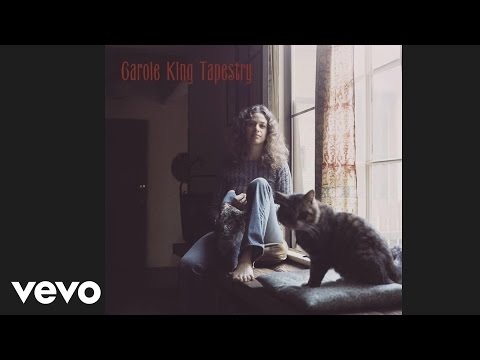
→ More from the 1970s File
View all 1970s hits →




Keep digging