The 1970s File Feature
Mozambique
Mozambique — Bob Dylan (1976) Note: This entry concerns "Mozambique" by Bob Dylan, from the 1976 album Desire on Columbia Records. Dylan released two album-l…
01 The Story
Mozambique — Bob Dylan (1976)
Note: This entry concerns "Mozambique" by Bob Dylan, from the 1976 album Desire on Columbia Records. Dylan released two album-length works in the mid-1970s that represent distinct phases of his creative renewal; "Mozambique" belongs to the Desire period, not to the Self Portrait album of 1970, which contains his other charted recording "Wigwam."
"Mozambique" appeared on Desire, one of the most commercially and critically successful albums of the second half of Bob Dylan's 1970s career. Desire was released in January 1976 on Columbia Records and entered the Billboard 200 album chart at number 1, where it remained for five weeks. The album was one of the fastest-selling releases of Dylan's career to that point and demonstrated that his commercial standing, which had reached extraordinary heights with Blood on the Tracks in 1975, was fully sustained into the new year.
The album was produced by Don DeVito and recorded in sessions at Columbia's New York studios. A significant feature of the Desire sessions was the involvement of violinist Scarlet Rivera, whose presence gave the album a distinctive sonic texture that set it apart from anything in Dylan's previous discography. Rivera's gypsy-influenced violin playing ran through the album as a kind of musical signature, and "Mozambique" was one of the tracks where her contribution was most prominently featured, the violin carrying melodic and harmonic weight that gave the song an exotic, wandering quality.
The lyrics of "Mozambique" were co-written by Dylan with Jacques Levy, a theater director and lyricist who collaborated with Dylan on the majority of the Desire material. The Levy collaboration was unusual in Dylan's career; for a songwriter who had always written alone, the decision to work with a co-writer represented a significant departure. Levy brought theatrical instincts and narrative clarity to the partnership, and the Desire album as a whole shows the influence of his background in constructed narrative rather than pure impressionistic poetry.
"Mozambique" occupied a somewhat different place within the album than the more serious and politically engaged tracks like "Hurricane" and "Joey." Where those songs were sustained narrative pieces dealing with real people and real controversies, "Mozambique" was a lighter, more playful piece, a sort of romantic travelogue that used the African nation of the title as an imagined backdrop for a love story. The song's tone was sunny and escapist in a way that was genuinely unusual within Dylan's catalog, which had rarely dealt in uncomplicated pleasurable fantasy.
The Rolling Thunder Revue, Dylan's touring caravan that preceded and accompanied the Desire album campaign, helped sustain an atmosphere of creative excitement and cultural moment around Dylan in 1975 and 1976. The tour included musicians such as Joan Baez, Roger McGuinn, and Ramblin' Jack Elliott alongside Dylan's core band, creating a traveling festival atmosphere that generated enormous press attention and reinforced the sense that Dylan was operating at a peak of creative engagement. "Mozambique" was performed on this tour and received as part of a larger tapestry of new material that audiences were encountering live before the album reached them.
The album's commercial success was substantial. In addition to its Billboard 200 chart performance, Desire generated significant radio play and was certified platinum, reflecting the enormous audience that Dylan had assembled across his career and the particular enthusiasm with which the mid-1970s public greeted his work. The combination of "Hurricane," with its passionate advocacy for the convicted boxer Rubin Carter, and the more various moods of the remaining tracks created an album with enough range to appeal across the broad demographic that constituted Dylan's fanbase.
Dylan's return to consistent commercial form in 1975 and 1976 after what many observers had considered a directionless middle period was one of the major narrative events in American rock music of the decade. Blood on the Tracks had re-established his critical standing; Desire confirmed that the renewal was sustained rather than accidental. "Mozambique" as a track within that renewal embodied the lighter, more melodically open side of Dylan's restored creative energy, demonstrating that the recovery was comprehensive enough to encompass playfulness alongside the more serious work that dominated the critical conversation around the album.
02 Song Meaning
Meaning and Themes in "Mozambique"
"Mozambique" is one of the most deliberately unserious compositions in Bob Dylan's catalog, and its playfulness is itself significant as a statement about the kind of creative freedom Dylan was exercising on the Desire album. The song imagines the southeastern African nation of Mozambique as a paradise of romantic leisure, a place where lovers can exist in uncomplicated happiness, free from the pressures and conflicts that dominate Dylan's more politically engaged material. The use of a real African nation as this imagined paradise has generated critical discussion, but the song's primary intention is clearly tonal rather than geographical: it is about the emotional state of romantic escape, not about Mozambique as an actual place.
The collaboration with Jacques Levy is particularly relevant to understanding this song. Levy's theatrical background meant that he and Dylan were thinking about songs partly as constructed emotional experiences rather than purely as personal expression. "Mozambique" feels like a song that was deliberately designed to occupy a specific emotional register within the album's larger architecture, providing relief and brightness alongside the heavier material. This kind of structural thinking about album construction was more characteristic of theater than of the folk and rock traditions from which Dylan had emerged.
The song's musical setting, built around Scarlet Rivera's violin and a relatively light rhythmic arrangement, reinforces the lyrical message of ease and freedom. The violin in this context carries Mediterranean and Eastern European folk resonances that associate the music with wandering, with the romantic traveler tradition, and with a kind of cosmopolitan freedom from fixed national or cultural identity. The choice of musical language matches the lyrical theme: if the words describe liberation from ordinary constraints, the music enacts that liberation through its own rootless, folk-influenced movement.
Within Dylan's broader artistic project, "Mozambique" is meaningful partly because of how different it is from his default register. Dylan's reputation had been built on moral seriousness, linguistic complexity, and a restless intensity that made even his most personal recordings feel like arguments with the world. A song this light and pleasurable represented a deliberate widening of his emotional range, a demonstration that the creative renewal he was experiencing was comprehensive enough to include joy and fantasy alongside the more expected forms of earnestness and protest.
The geographical specificity of the title, unusual for a song that is fundamentally about an emotional state rather than an actual place, gave the song a memorable hook and a sense of exotic distance that served its escapist purpose. Mozambique, as a name, carries a certain musical beauty of its own, and Dylan and Levy clearly recognized this in choosing it. The song asks listeners to associate a specific sound and feeling with a place they may never have thought about before, constructing a private geography of desire that is part of the song's imaginative appeal.
The song also sits interestingly within the context of its 1976 release moment. Mozambique had only achieved independence from Portugal in 1975, after a prolonged armed liberation struggle, making it a newly sovereign nation at the exact moment Dylan and Levy were imagining it as a romantic paradise. Whether this historical context informed the song's construction is unclear, but it gives the recording a layer of historical coincidence that retrospective listening cannot entirely ignore, even if the song itself gives no indication of awareness of or interest in Mozambique's actual political circumstances. The song belongs firmly to the imagination rather than to geography or politics.
→ More from Bob Dylan
View all Bob Dylan hits →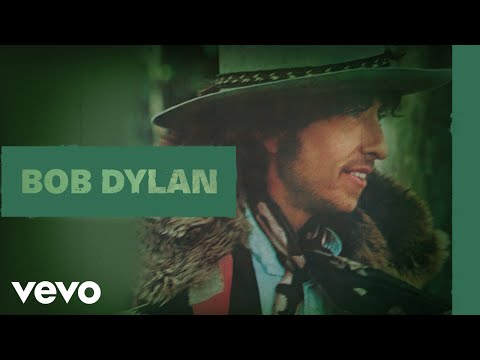


→ More from the 1970s File
View all 1970s hits →




Keep digging