The 1970s File Feature
Soul Man
Soul Man — The Blues Brothers (1978) Note: "Soul Man" as performed by the Blues Brothers is a cover of the song originally recorded by Sam and Dave for Stax …
01 The Story
Soul Man — The Blues Brothers (1978)
Note: "Soul Man" as performed by the Blues Brothers is a cover of the song originally recorded by Sam and Dave for Stax Records in 1967, where it reached number two on the Billboard Hot 100 and became one of the defining records of the soul era. The Blues Brothers version, recorded and released in 1978, belongs to a distinctly different cultural moment and carries its own history and significance.
The Blues Brothers — John Belushi and Dan Aykroyd — released their version of "Soul Man" on Atlantic Records in 1978, as part of the soundtrack to the comedy duo's transformation from a Saturday Night Live sketch into a fully realized recording act. The project was unusual in the history of American popular music: two comedians, neither of whom had a background as professional musicians, surrounding themselves with some of the finest session players in the country and recording an album of soul and R&B covers with genuine reverence and musical seriousness.
The Blues Brothers concept had been developed by Belushi and Aykroyd as a vehicle for performing the music they genuinely loved. Both men were deep enthusiasts of soul, R&B, and blues traditions, and the characters of "Joliet" Jake Blues and Elwood Blues were as much an homage to that tradition as they were comic creations. When they brought the act into the recording studio, they assembled a band that was anything but a joke: the lineup included guitarist Steve Cropper and bassist Donald "Duck" Dunn, both of whom had played on the original Sam and Dave recording of "Soul Man" as members of Booker T. and the MGs. Having the men who had originally created the instrumental track for the song return to perform it in a new context gave the Blues Brothers version a remarkable authenticity and a certain circularity.
The Blues Brothers' "Soul Man" reached number 14 on the Billboard Hot 100, a genuinely strong commercial performance for a novelty-adjacent act recording a soul cover. It performed even better on the R&B chart, where the record's musical authenticity was recognized by an audience well-versed in the genre's traditions. The track demonstrated that the Blues Brothers project was not merely a comedy spin-off but a legitimate musical enterprise capable of connecting with radio audiences on its own terms.
The Briefcase Full of Blues album, which contained "Soul Man" along with other covers, was recorded live at the Universal Amphitheatre in Los Angeles in 1978 and quickly became a major commercial success, eventually going double platinum. This success surprised the music industry, which had not anticipated that a comedy duo's soul covers album would generate genuine chart impact and sustained sales. The album's success validated the Blues Brothers format and paved the way for the 1980 film.
Steve Cropper and Duck Dunn's presence on the record was not merely symbolic. Both were active contributors to the arrangements and the overall feel of the sessions, and their familiarity with the material extended beyond technical competence to deep stylistic understanding. The horn section on the record included some of the most accomplished brass players working in R&B at the time, and the interplay between brass and rhythm section gave the Blues Brothers arrangements the kind of Stax-derived swing that was essential to making soul music feel alive rather than archival.
The cultural moment of 1978 was significant for a soul revival of this kind. Disco had pushed soul music's rawer, more gospel-rooted traditions somewhat to the margins of pop radio, and the Blues Brothers' embrace of pre-disco soul felt, to many listeners, like a corrective. Whether Belushi and Aykroyd intended it as a cultural statement or simply as a passionate recreation of music they loved, the effect was to bring a younger generation of listeners into contact with a tradition that might otherwise have remained inaccessible to them.
The "Soul Man" cover has remained among the most recognized recordings in the Blues Brothers catalog, and its association with the characters, the film, and the broader mythology of the project has given it a cultural durability that extends well beyond its initial chart life. For many listeners who discovered the original Sam and Dave recording through the Blues Brothers version, it served as a gateway into the Stax catalog and the soul tradition that catalog represents.
02 Song Meaning
The Meaning of Soul Man as Performed by the Blues Brothers
The original "Soul Man," written by Isaac Hayes and David Porter and recorded by Sam and Dave in 1967, is a song about pride, identity, and earned self-sufficiency. Its narrator declares himself a man whose character was forged through hardship and struggle, a man who has made something of himself from limited materials and who carries that achievement as a badge of identity rather than as a cause for complaint. The word "soul" in the title operates on multiple registers simultaneously: as a musical genre, as a marker of Black American cultural identity, and as a description of an inner quality, a depth of feeling and experience that the narrator claims as his own.
When the Blues Brothers recorded the song in 1978, they inherited all of these meanings while adding their own layer of interpretive context. Belushi and Aykroyd were not Black men from the American South, and the song's original cultural grounding could not transfer to them without modification. What transferred instead was the music itself: the arrangement, the energy, the gospel-rooted call-and-response tradition that underlies the vocal performance, and the sheer physical pleasure of a well-executed soul record.
The Blues Brothers' relationship to "Soul Man" is best understood as an act of homage and cultural transmission rather than appropriation in any cynical sense. The men who played on the record, including Steve Cropper and Duck Dunn from the original session, lent the recording an authenticity that validated the enterprise. The arrangement was not a parody or a knowing wink but a sincere attempt to reproduce and honor the original's power. In performing the song as straight-faced R&B rather than as comedy material, the Blues Brothers made a statement about their genuine commitment to the tradition they were working within.
For a late-1970s audience, the song's message of self-determination and resilience carried particular resonance at a moment when the optimism of the civil rights era had encountered the harder realities of economic recession and political reaction. The narrator's declaration that he had made himself from what he had been given, and that what he had become was something worthy of respect, spoke to a broadly human condition even as it remained rooted in a specifically Black American experience.
The Blues Brothers version also reactivated the song's meaning within the context of musical tradition and artistic lineage. By covering it faithfully, surrounded by players who had helped create it, Belushi and Aykroyd were participating in the tradition of musical transmission that has always been central to American popular music: the process by which songs travel across generational and cultural boundaries and take on new meanings while retaining their original power. The Blues Brothers were soul men, in the specific sense that they were men in the service of soul music, advocates for its preservation and its continued presence in American culture. That sincerity, however unusual its vehicle, is what made the project resonate beyond its comedy origins.
→ More from Blues Brothers
View all Blues Brothers hits →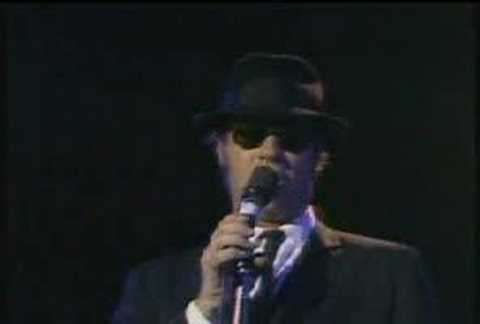

→ More from the 1970s File
View all 1970s hits →




Keep digging