The 1970s File Feature
Sideshow
Sideshow: Blue Magic and Philadelphia Soul's Finest Hour "Sideshow" by Blue Magic stands as one of the most affecting vocal group recordings to emerge from P…
01 The Story
Sideshow: Blue Magic and Philadelphia Soul's Finest Hour
"Sideshow" by Blue Magic stands as one of the most affecting vocal group recordings to emerge from Philadelphia's extraordinary soul music scene of the early 1970s, a peak moment in the Philadelphia International Records orbit that shaped American popular music for an entire decade. Released in 1974 on ATCO Records, the song became a genuine hit, rising to number eight on the Billboard Hot 100 and reaching even higher on the R&B charts, where it confirmed Blue Magic as one of the era's premier vocal groups. The song's production, emotional depth, and the lead tenor performance of Ted Mills gave it an enduring quality that has kept it in rotation across radio formats for five decades.
Blue Magic was formed in Philadelphia during the early 1970s, bringing together a group of singers, including Ted Mills, Wendell Sawyer, Keith Beaton, Richard Pratt, and Vernon Sawyer, whose blend of voices proved exceptional for the lush, orchestrated soul that Philadelphia was producing. They signed with ATCO Records, the Atlantic subsidiary, at a time when Philadelphia had become the center of gravity for sophisticated soul production. While they were not part of the Philadelphia International Records roster, they benefited from the extraordinary musical infrastructure the city had developed, including the network of session musicians, arrangers, and studios that made Philadelphia soul a coherent sound rather than a geographic coincidence.
"Sideshow" was produced and written by Bobby Eli and Vincent Montana Jr., two key figures in the Philadelphia music scene who understood how to construct songs that maximized the emotional potential of a great lead vocal. The production places Ted Mills's tenor at the center of an arrangement that builds from gentle verses into a fully orchestrated chorus, using the contrast between restraint and abundance to maximize the emotional impact of the song's key moments. The strings, in particular, are deployed with the kind of sophisticated judgment that characterized the best Philadelphia productions of the period.
The song arrived at a moment when the Philadelphia soul sound, partly codified by producers Kenny Gamble and Leon Huff at Philadelphia International Records and partly by the independent-minded producers working outside that label, was at its commercial and artistic peak. Vocal group R&B was thriving on radio, with audiences deeply receptive to close-harmony singing over orchestrated arrangements. "Sideshow" fit perfectly within this receptive environment while bringing something distinctive in the specific emotional quality of Mills's lead vocal and the lyrical construction of the song itself.
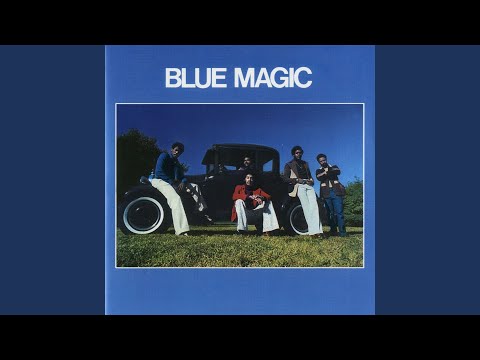
The song spent multiple weeks on the Billboard Hot 100 and R&B charts in 1974, generating enough commercial momentum to establish Blue Magic as a significant act. Their follow-up singles continued to chart, though none achieved quite the cultural resonance of "Sideshow," which became the defining statement of their career. The song appeared on their debut album, also titled Blue Magic, released on ATCO, which further established their artistic identity as purveyors of sophisticated, emotionally direct soul music.
Radio play for "Sideshow" was substantial, and the song received attention from both pop and R&B programmers, a crossover achievement that reflected the broad appeal of well-crafted Philadelphia soul during this period. The city's musical output of the early-to-mid 1970s crossed demographic and radio-format boundaries with a consistency that made Philadelphia the dominant force in American popular music for several years, and "Sideshow" was part of that domination even from outside the Philadelphia International flagship label.
The song's legacy has been considerable. It has been sampled, covered, and referenced across subsequent decades, and its reputation has grown rather than diminished with time as listeners have discovered or rediscovered the quality of its songwriting and performance. Soul music enthusiasts consistently cite "Sideshow" as a peak example of what the Philadelphia vocal group tradition was capable of achieving, which places it in distinguished company indeed.
Blue Magic continued recording and performing into subsequent decades, but "Sideshow" remained the high-water mark by which their work was measured, a not uncommon situation for soul groups of the era who produced one song of such complete artistic realization that everything else existed in its shadow. The song's endurance testifies to the timeless quality of genuinely great soul music.
02 Song Meaning
Sideshow: Love as Spectacle and Longing
"Sideshow" constructs its central metaphor with genuine ingenuity, using the imagery of a carnival sideshow to describe the experience of helpless romantic attraction. The narrator compares his emotional situation to that of someone drawn irresistibly to a spectacle that he knows is designed to distort and deceive, yet cannot resist attending. This is love experienced not as a dignified or mutual emotion but as a kind of captivation, a state of being held and examined from outside one's own rational control. The metaphor is unusual in soul music, where romantic love is more often described in terms of flight, fire, or ocean, and its distinctiveness is part of what gives the song its lasting power.
The sideshow metaphor operates on multiple levels simultaneously. At the surface level, it describes a lover who performs for an audience including the narrator, attracting attention and creating a spectacle that draws him in against his better judgment. But the metaphor also implies something about the nature of attraction itself: the way genuine romantic longing can feel simultaneously voluntary and compelled, chosen and irresistible. The sideshow is a spectacle you pay to see, which means the attendance is in some sense willing, yet the emotional experience is one of helplessness rather than agency.
Ted Mills's vocal delivery is inseparable from the song's meaning. His tenor communicates a specific quality of heartfelt yearning that goes beyond mere technical competence; there is something in the grain of his voice that makes the narrator's helplessness feel genuinely experienced rather than performed. The Philadelphia soul tradition was built on vocalists who could access genuine emotion through their singing, and Mills's performance of "Sideshow" is one of the most convincing expressions of that tradition's highest aspiration.
The song's emotional register is one of bittersweet acceptance rather than angry protest or desperate pleading. The narrator knows he is caught, knows the sideshow will keep drawing him back, and has arrived at a kind of rueful peace with that knowledge. This acceptance without resignation, the willingness to acknowledge one's own captivation with a certain gentle dignity, is characteristic of the most sophisticated Philadelphia soul, which consistently found ways to make vulnerability sound like a form of strength rather than weakness.
The production's relationship to the song's meaning is precise and purposeful. The orchestral arrangement swells in exactly the moments when the narrator's emotional helplessness is most fully expressed, using the strings and horns to externalize interior states. This was a hallmark of the Philadelphia approach: treating the orchestra not as decoration but as emotional amplification, making the listener feel the narrator's experience through musical means that supplemented and extended what the voice alone could achieve.
Within the tradition of early 1970s Philadelphia vocal group soul, "Sideshow" represents a particularly successful synthesis of the style's elements. The balance between the individual voice and the group, between the lyrical concept and the musical realization, between emotional directness and sophisticated restraint, is achieved in the song with unusual completeness. It is a song that demonstrates what the Philadelphia sound was reaching for at its most ambitious, which is why it has retained its reputation as a definitive example of the form for fifty years.
→ More from Blue Magic
View all Blue Magic hits →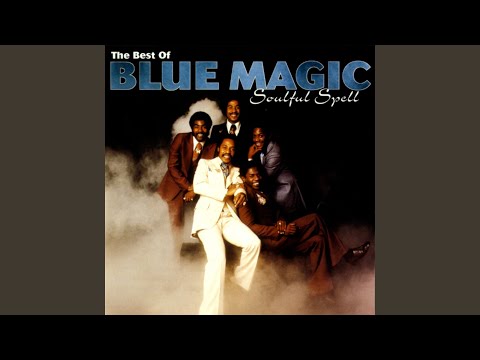
→ More from the 1970s File
View all 1970s hits →




Keep digging