The 1970s File Feature
Let's Make A Baby
"Let's Make A Baby" — Billy Paul and Philadelphia Soul's Most Intimate Proposition Philadelphia International in 1976 The spring of 1976 found Philadelphia I…
01 The Story
"Let's Make A Baby" — Billy Paul and Philadelphia Soul's Most Intimate Proposition
Philadelphia International in 1976
The spring of 1976 found Philadelphia International Records at a pivotal moment in its commercial trajectory. The label that Kenny Gamble and Leon Huff had built into one of the most influential institutions in American popular music had already produced a string of extraordinary recordings, and the Philadelphia International Sound, with its lush orchestral arrangements, sophisticated chord progressions, and deeply felt vocal performances, had reshaped what mainstream soul music could sound like. Billy Paul had been one of the label's most distinctive artists, his association with "Me and Mrs. Jones" having provided PIR with one of its signature moments. When "Let's Make A Baby" arrived in 1976, it did so trailing the considerable artistic reputation that Paul had established four years earlier.
Billy Paul's voice was one of the most flexible instruments on the Philadelphia roster, capable of navigating the refined elegance of adult soul ballads and the more direct emotional territory of funk-influenced up-tempo tracks. He had spent the years between his breakthrough and this single establishing himself as an artist of genuine range, one who could handle material that required both vocal sophistication and a willingness to commit to explicit lyrical content without flinching.
The Track and Its Lyrical Premise
"Let's Make A Baby" belongs to a tradition in soul and funk music that addressed the physical dimensions of romantic love with considerably more directness than mainstream pop radio normally permitted. The song's proposition is exactly what its title announces, and it was one of several records in the mid-1970s that tested the boundaries of what could be said explicitly on commercial radio. This was a period when artists from Marvin Gaye onward had been systematically expanding what soul music could discuss openly, and Paul's contribution to that conversation arrived with the full production backing of Philadelphia International behind it.
The production by Gamble and Huff gave the track the lush, orchestrated quality that was the PIR house style, surrounding Paul's vocal with string arrangements and rhythmic propulsion that made even the most direct lyrical content feel elevated rather than crude. This was a key Philadelphia International skill: the ability to treat explicit subject matter with a sophistication that made it palatable to radio and retailers who might otherwise have balked.
A Brief Hot 100 Appearance
"Let's Make A Baby" debuted on the Billboard Hot 100 on April 10, 1976, entering at position 90 and climbing to a peak of number 83, which it reached and held on April 24 and May 1, 1976. The single spent 4 weeks on the Hot 100, a relatively brief commercial run on the mainstream pop chart. The brevity of its Hot 100 presence was at least partially a function of radio programmers' unease with its lyrical content, which was direct enough that some stations declined to add it to their rotations.
On the soul and R&B charts, where the audience was more receptive to the tradition the track was working within, the record performed more strongly, finding the kind of extended airplay and listener response that its mainstream chart position does not fully capture.
Paul's Artistic Legacy in Context
"Let's Make A Baby" arrived at a point in Billy Paul's career when the commercial peak of "Me and Mrs. Jones" was receding but his artistic standing within soul music remained considerable. The track demonstrated his willingness to take on material that required both vocal commitment and a certain kind of personal courage, given the subject matter's potential to generate controversy. Philadelphia International's backing gave the record a sonic dignity that separated it from simpler exploitation of the same thematic territory.
A Philadelphia Snapshot
Looking back at the Philadelphia International catalogue from any vantage point, what stands out is the remarkable consistency of purpose and craft that Gamble, Huff, and their stable of artists maintained across a decade of production. "Let's Make A Baby" is not the most celebrated entry in that catalogue, but it is representative of the label's commitment to treating adult emotional and physical experience as worthy of serious musical attention. The production is immaculate, the vocal performance is committed, and the track captures a specific cultural moment when soul music was asserting its right to discuss the full range of human experience. Press play and the Philadelphia sound's particular warmth immediately surrounds you.
"Let's Make A Baby" — Billy Paul's singular moment on the 1970s charts.
02 Song Meaning
"Let's Make A Baby" — Intimacy, Autonomy, and the Soul Music of Physical Love
A Bold Lyrical Proposition
By the mid-1970s, soul music had claimed significant territory in the ongoing negotiation over what popular songs could say openly about human sexuality and intimacy. Marvin Gaye's Let's Get It On had shifted the landscape in 1973, establishing that the most elevated musical production could coexist with entirely explicit romantic and physical intention. "Let's Make A Baby" arrives in that opened space, making a proposition that is simultaneously personal, physical, and, in its specific choice of subject, something more interesting than mere carnality. Creating a child together is an act of radical mutual commitment; the song is, at some level, about permanence as much as pleasure.
Reproduction as Romantic Declaration
The specific subject matter of the track sets it apart from other mid-1970s soul records exploring physical intimacy. The wish to make a baby is not a casual desire; it implies a future, a shared life, an acceptance of consequence and responsibility. Within the soul tradition's emotional economy, this kind of forward-looking commitment carried considerable weight. The narrator is not proposing a moment but a lifetime, framed in the most concrete biological terms possible. That specificity is what gives the song a thematic dimension that purely sensual records do not possess.
Philadelphia Soul's Sophisticated Treatment
Kenny Gamble and Leon Huff's production philosophy was always oriented toward the elevation of popular music rather than its exploitation. The Philadelphia International Sound placed premium quality orchestration and careful arrangement in service of emotional content that other labels might have handled more crudely. "Let's Make A Baby" benefits from that philosophy directly: the lushness of the production creates a context in which the lyrical directness reads as romantic rather than merely salacious. The strings and the arrangement communicate that what is being discussed matters, that it deserves this quality of attention and care.
The Mid-1970s Cultural Climate
The 1970s were a decade in which American popular culture was working through profound changes in attitudes toward sexuality, family formation, and individual autonomy. The sexual revolution of the previous decade had shifted what could be discussed publicly, and the emergence of the women's movement had complicated traditional narratives about reproduction and its relationship to feminine identity. A song proposing collaborative baby-making in 1976 landed in a cultural moment when the very act of reproduction was being renegotiated and reconsidered in ways that had no precedent in recent American history. The track participated in that conversation simply by existing.
Billy Paul's Vocal as Emotional Argument
The persuasiveness of any song in the tradition "Let's Make A Baby" inhabits depends entirely on whether the performer can make the listener believe in the sincerity of the proposition. A track whose narrator sounds calculating or insincere collapses as an artistic object. Billy Paul's vocal delivery on this recording carries genuine warmth, transforming what could have been a provocative novelty into something that reads as heartfelt. His voice had always been capable of navigating the territory between passion and sincerity, and that capacity was precisely what the material required. The meaning ultimately resides there: in the voice, and in the choice to commit to the proposition without irony or hedging.
→ More from Billy Paul
View all Billy Paul hits →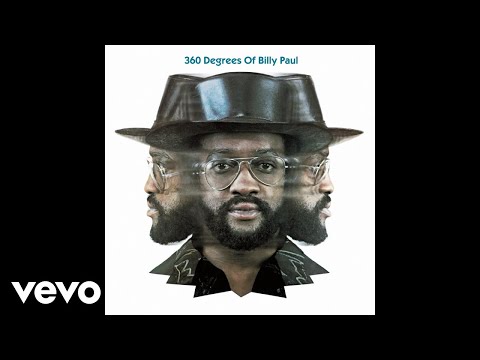
→ More from the 1970s File
View all 1970s hits →




Keep digging