The 1970s File Feature
Married Men
Married Men by Bette Midler The Divine Miss M in Full Command Step into the summer of 1979, and few performers on the American stage burned as brightly or as…
01 The Story
"Married Men" by Bette Midler
The Divine Miss M in Full Command
Step into the summer of 1979, and few performers on the American stage burned as brightly or as boldly as Bette Midler. By this point she was a full-blown phenomenon, a singer, actress, and comedian who had risen from the New York cabaret and bathhouse scene to become one of entertainment's most electric personalities. Known to her devoted fans as the Divine Miss M, she combined a powerhouse voice with a wicked wit and a theatrical flair that made every performance an event. She was never content to be merely a pretty voice. Everything she recorded came stamped with her outsized personality, her sense of camp, and her refusal to play it safe. "Married Men" arrived at this confident peak of her fame, a single that let her cut loose with the brassy, knowing energy that had made her a star.
Brass, Attitude, and Swagger
The record leans into the bold, uptempo style that suited Midler's larger-than-life persona. It moves with a punchy, danceable energy, giving her room to belt with power and deliver the lyric with a knowing wink. There is real attitude in the performance, the sound of a singer fully in command of her material and enjoying every second. The track showcases Midler's brassy, theatrical vocal style and her gift for character-driven delivery. Rather than a straight love song, it plays like a piece of musical theater, a spirited number with a story and a point of view. Midler sells it with the timing of a born entertainer, turning the song into a performance as much as a recording. It is the sound of a star having fun.
A Solid Run Into the Top Forty
The chart story reflects a respectable showing for a distinctive single. "Married Men" debuted on the Billboard Hot 100 on June 2, 1979, at number 85. It climbed steadily through the early summer, moving to 75, then 62, then 52, then 44 in successive weeks, a clean and encouraging ascent. The single ultimately peaked at number 40 during the week of July 7, 1979, and spent nine weeks on the Hot 100. Cracking the top forty gave Midler another chart entry to her name, a solid result for a song built more around personality and performance than around a conventional radio hook. For an artist whose real domain was the stage and the concert hall, a top-forty single confirmed her continuing presence on the pop chart.
A Singular Voice in a Crowded Year
The context of 1979 makes Midler's approach stand out. The charts were dominated by disco at its glittering peak, alongside soft rock and the first stirrings of new wave. Into that mix, Midler brought something different: theatrical showmanship, a cabaret sensibility, and a personality too big to fit any single trend. She occupied a lane entirely her own, blending pop, show tunes, and pure entertainment. That distinctiveness was her great strength. While others chased the sound of the moment, Midler simply sounded like herself, an irrepressible entertainer whose appeal transcended genre. "Married Men" is a fine example of that independent spirit, a song that could only have come from her.
A Colorful Entry in a Storied Career
In the sweep of Bette Midler's remarkable career, this single is a spirited chapter rather than one of her defining monuments. She would go on to achieve enormous success across music, film, and stage, becoming one of the most beloved entertainers of her era. Her biggest hits and iconic film roles would cement a legacy few could match. Yet a song like this one captures her in a particular mode, playful and brassy, reveling in the sheer joy of performance. Today it endures as a favorite among her fans, holding around 69,000 YouTube views, treasured by those who love the full range of the Divine Miss M.
Press Play and Meet the Divine Miss M
Cue this one up and you get Bette Midler in all her brassy, theatrical glory. The energy is infectious, the attitude is sky-high, and her voice commands every moment. It is a performance as much as a song, delivered by an entertainer who never did anything halfway. Press play and enjoy a true original at work.
"Married Men" — Bette Midler's singular moment on the 1970s charts.
02 Song Meaning
The Meaning Behind "Married Men"
A Knowing Warning About Forbidden Romance
The meaning of "Married Men" is right there in the title, and it carries a wry, cautionary edge. The song deals with the temptation and trouble of romantic entanglements with men who are already spoken for. Its central theme is the danger and heartache of getting involved with unavailable, married men. Rather than a straightforward love song, it plays like a piece of worldly advice set to music, a knowing look at a familiar romantic trap. The lyric approaches the subject with more wit than woe, treating it as a cautionary tale delivered with a raised eyebrow.
Wit as Emotional Armor
What distinguishes the song is its tone. Midler brings her signature blend of humor and toughness to the material, turning a potentially sad subject into something spirited and knowing. The emotional message is delivered with sass and self-awareness rather than pure sorrow. There is a strength in that approach, the voice of a woman who has seen this kind of trouble and can now speak of it with hard-won perspective and a sharp sense of humor. The song refuses to wallow. Instead it warns, teases, and entertains, wearing its wisdom lightly while making its point unmistakably clear.
A Woman's Clear-Eyed Perspective
The song is grounded in a distinctly female point of view, a woman speaking candidly about the perils of a certain kind of romance. It voices a knowing, worldly perspective on love and its complications. That candor was very much in keeping with Midler's persona, which always celebrated frankness and refused to pretend at innocence. The song trusts its listener to understand the situation without moralizing heavily, offering camaraderie and shared knowledge rather than a lecture. It speaks woman to woman, or friend to friend, about a temptation everyone recognizes.
Cabaret Sensibility Meets Pop
Set in 1979, the song reflects Midler's roots in cabaret and theatrical performance, where character, story, and wit mattered as much as melody. The song functions as a piece of musical storytelling, its meaning carried by performance as much as by lyric. This theatrical quality set it apart from the more straightforward pop of its moment. Midler was not just singing about a situation. She was inhabiting a character and telling a story, bringing the full color of her stage sensibility to the recording and giving the theme a vivid, dramatic life.
Why Its Message Still Lands
The song endures because the situation it describes is timeless and universally understood. The temptation of forbidden romance and the heartache it can bring never go out of date. Its lasting appeal lies in the witty, knowing way it captures an age-old romantic pitfall. Delivered with Midler's humor and strength, the message feels less like a warning from on high than like advice from a savvy friend. Anyone who has watched romance stray into complicated territory recognizes the truth in it, and that knowing, entertaining candor is why the song still resonates.
→ More from Bette Midler
View all Bette Midler hits →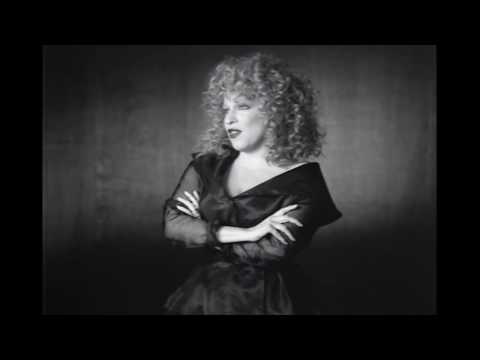
→ More from the 1970s File
View all 1970s hits →




Keep digging