The 1970s File Feature
In The Mood
In The Mood — Bette Midler and the Nostalgia of Early 1974 The Divine Miss M and Her Theatrical Instincts Bette Midler arrived on the commercial music scene …
01 The Story
In The Mood — Bette Midler and the Nostalgia of Early 1974
The Divine Miss M and Her Theatrical Instincts
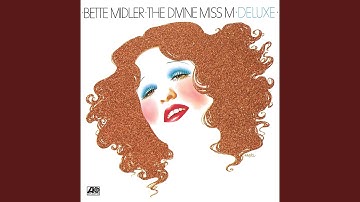
Bette Midler arrived on the commercial music scene in the early 1970s with a persona so fully formed and so theatrically extravagant that the industry barely knew what to do with her. Emerging from New York's Continental Baths, where she had developed her act in front of audiences who appreciated showbiz excess delivered with genuine wit and warmth, she brought to the pop mainstream a sensibility rooted in classic American entertainment traditions that the rock era had largely pushed aside. Her debut album The Divine Miss M had been a commercial and critical success, establishing her as a figure who could revive vintage pop styles and make them feel simultaneously nostalgic and completely alive. In The Mood was exactly this kind of revival, a send-up and celebration of the big band era that showcased her theatrical range and her ability to invest old material with new life.
Big Band Nostalgia in the Glam Era
Early 1974 was an interesting moment for nostalgic pop music. The 1950s revival that had produced American Graffiti and Happy Days was in full swing; glam rock was reaching its commercial peak; and a certain strand of the entertainment world was looking backward with affectionate irony. Bette Midler was perfectly positioned for this cultural moment. Her ability to perform vintage material with a combination of genuine affection and comic self-awareness made her uniquely suited to the nostalgia wave without being trapped by it. In The Mood, originally associated with Glenn Miller's big band and the wartime dance hall era, became in her hands something simultaneously camp and sincere, funny and moving.
The Chart Run of Early 1974
In The Mood debuted on the Billboard Hot 100 on January 26, 1974, entering at position 88. The climb over the following weeks was consistent, with the single reaching 56 by the first week of February and continuing upward. It peaked at number 51 during the week of February 16, 1974, spending seven weeks on the Hot 100 in total. A mid-chart peak was a solid performance for a piece of retro novelty pop, and it confirmed that Midler's audience extended beyond the New York cabaret world that had given her a professional home into the mainstream pop marketplace. The record demonstrated that her particular combination of theatricality and genuine musical talent translated into commercial terms.
The Glenn Miller Original and Its Cultural Weight
The original In The Mood, associated with the Glenn Miller Orchestra, carried enormous cultural weight by 1974. It was one of the most recognizable pieces of American popular music from the World War II era, a record whose melody had been embedded in the collective consciousness through decades of use in film, television, and popular memory. Choosing to record it was therefore simultaneously a tribute, an act of nostalgia, and a kind of performance of nostalgia's theatricality, a comment on what it meant to revive a sound from thirty years past. Midler understood all of these dimensions and played them all at once, creating a record that was knowing without being cynical.
Midler's Larger Significance
Bette Midler's early career was important not just for the individual records she made but for what those records represented in the pop landscape of the early 1970s. At a moment when rock's dominance was comprehensive and the older American entertainment traditions seemed to have been definitively displaced, she was insisting on the continuing vitality of those traditions, demonstrating that showbiz theatricality and genuine vocal talent could still find a substantial audience. In The Mood was one of the records that made this argument, reaching listeners who had grown up on rock but were receptive to something that offered a different kind of pleasure. Press play and let the big band spirit do its work.
Midler and the Art of the Theatrical Revival
Bette Midler's approach to In The Mood was inseparable from her larger project of reviving theatrical entertainment traditions that the rock era had pushed to the margins. The record was not simply a nostalgic gesture but an argument: that the entertainment values of an earlier American popular culture still had something to offer contemporary audiences, that camp and sincerity could coexist in the same performance, and that a singer with genuine theatrical intelligence could make old material feel completely alive. The commercial success of the record confirmed that the argument had merit, that listeners who had grown up on rock were receptive to the pleasures that the big band tradition could offer when those pleasures were presented with the right combination of affection and wit. Midler made the case, and her audience responded.
“In The Mood” — Bette Midler's singular moment on the 1970s charts.
02 Song Meaning
The Meaning Behind “In The Mood” by Bette Midler
Camp and Sincerity as Simultaneous Registers
One of the defining qualities of Bette Midler's artistry is her ability to inhabit two emotional registers simultaneously: genuine feeling and theatrical awareness of the performance of feeling. This is what the camp sensibility does at its best, and Midler was among its most accomplished practitioners. In The Mood required exactly this double register: the song needed to be performed with enough sincere enjoyment to be infectious, and with enough self-awareness to be funny. Getting this balance right is considerably more difficult than it might appear, and the fact that Midler made it look effortless was itself a demonstration of her exceptional theatrical intelligence.
The Big Band Era and What It Meant
The cultural weight of the big band era in American collective memory was substantial by 1974. The music of Glenn Miller, Benny Goodman, and their contemporaries had been the soundtrack to the wartime experience for an entire generation, and the nostalgia for that era was not merely musical but broadly cultural: a longing for a time that, in retrospect, seemed simpler and more unified than the complicated present. Midler's decision to engage with this material was not an escape into that nostalgia but a kind of affectionate engagement with it, acknowledging its power while also recognizing its distance from the present. The result was a performance that honored the original while making clear that what she was doing was a contemporary act, a deliberate revival rather than an unselfconscious continuation.
Humor as an Act of Love
There is a form of humor that is essentially an act of love: humor that takes its subject seriously enough to engage with it in depth while finding the comedy in that engagement. This is very different from mockery or satire, which hold their subjects at a distance. Midler's approach to In The Mood was this loving kind of humor, rooted in genuine affection for the entertainment traditions she was invoking. She was not making fun of big band music but celebrating it through the medium of comic performance, finding what was inherently theatrical in the material and amplifying it with the warmth of genuine appreciation. That combination of humor and affection is what made her version of the song work where a more satirical approach would have fallen flat.
Nostalgia, Revival, and the 1970s Cultural Mood
The early 1970s American cultural mood included a specific strand of nostalgic revivalism that was partly a response to the political and social turbulence of the preceding decade. Looking backward to the 1940s or 1950s offered a kind of temporary relief from the difficulties of the present, a cultural comfort food that the entertainment industry was happy to supply. Midler's work participated in this nostalgia while also complicating it: her theatrical persona prevented any simple, uncritical embrace of the past. She could invoke the era while remaining firmly in the present, her knowing wink to the audience ensuring that the nostalgia was experienced consciously rather than consumed passively. That quality of active engagement with nostalgia, rather than passive immersion in it, was part of what made her early work culturally significant.
Performance as a Subject in Itself
One of the deeper subjects in Bette Midler's early recordings was performance itself: what it means to perform, what relationship the performer has to the material, and what the audience brings to the experience of watching someone sing. In The Mood, with its deep roots in a specific performance tradition, foregrounded these questions in ways that a more straightforwardly sincere recording would not have. Every choice Midler made in the recording, every moment of comic exaggeration or genuine vocal expression, was simultaneously a choice about the music and a choice about the nature of performance, making the record a small treatise on what it means to sing an old song with full awareness of its age. That is a sophisticated artistic project, and it produced a genuinely entertaining record.
→ More from Bette Midler
View all Bette Midler hits →
→ More from the 1970s File
View all 1970s hits →




Keep digging