The 1970s File Feature
To Know You Is To Love You
"To Know You Is To Love You" — B.B. King Crosses Into the Pop Top 40 The King of the Blues in 1973 There was a moment in the early 1970s when B.B. King cease…
01 The Story
"To Know You Is To Love You" — B.B. King Crosses Into the Pop Top 40
The King of the Blues in 1973
There was a moment in the early 1970s when B.B. King ceased to be primarily a blues musician in the commercial consciousness and became something larger: an elder statesman of American music whose influence had been acknowledged so publicly by rock's biggest acts that the mainstream pop and R&B audience finally started paying attention. The rock generation that had absorbed his influence through British Invasion artists had matured, and many of them were actively looking for the sources that had shaped their heroes. B.B. King was the most prominent of those sources. By 1973, he was one of the most respected musicians in the world, touring constantly and recording for ABC Records with an ambition to reach audiences that the blues circuit alone could not provide.
The cultural moment was favorable. The early 1970s had generated a broad appetite for artists who prioritized authenticity and craft over the more manufactured qualities of pop production. King embodied both those values with a completeness that no amount of promotion could have manufactured. His guitar work with Lucille, his beloved semi-hollow Gibson, was one of the most immediately recognizable sounds in popular music. His voice carried decades of lived experience in every phrase.
The Song and Its Source
"To Know You Is to Love You" was a soul-inflected recording that showcased a slightly different dimension of King's artistry than the blues guitar showpieces that had defined his reputation. The arrangement pushed toward a warm, accessible register that drew on the sophisticated soul production of the period. The production gave King's voice front and center position, treating the guitar as a complementary voice rather than the primary instrument, a choice that served the song's message of intimate devotion well.
The title phrase itself has a long history in American popular song, and King's recording placed it in a soulful context that brought out both its warmth and its emotional weight. The sentiment it expressed, that knowledge deepens love rather than diminishing it, was a sophisticated idea handled with the directness that King had always brought to his most personal material.
A Genuine Pop Chart Breakthrough
The single entered the Billboard Hot 100 on August 4, 1973, debuting at number 84. Over the following weeks it climbed through the summer heat, gaining momentum on both pop and R&B radio. By September 22, 1973, it had reached its peak position of number 38, completing a 14-week run on the chart. That top-40 placement was significant: it represented one of King's strongest performances on the pop chart, a mainstream breakthrough that reflected genuine crossover appeal rather than just genre-specific success.
The R&B chart performance was even stronger, confirming that the record was connecting most deeply with audiences who had always been most receptive to King's blend of blues and soul. But the pop chart position mattered separately, as evidence that his crossover appeal had reached a new tier.
King's Crossover Strategy
The early 1970s recordings that King made for ABC had a deliberate crossover intent that sometimes generated debate among blues purists but produced some of his most commercially successful work. Albums like Completely Well and Indianola Mississippi Seeds had moved him firmly into mainstream visibility, and the collaborations and television appearances of this period placed him in front of audiences who might never have found his earlier recordings. This strategy required King to trust arrangements and production approaches that expanded his palette beyond the blues-club immediacy of his earlier recordings.
The pop and soul production that surrounded "To Know You Is to Love You" was part of that expansion. Some listeners preferred King unadorned; others found that the more orchestrated context allowed them to hear qualities in his voice and playing that sparser production had not emphasized. Both responses were legitimate, and both audiences showed up at his concerts.
Legacy of the Blues Crossing Over
The significance of "To Know You Is to Love You" extending to number 38 on the pop chart in 1973 was not purely commercial. It represented the moment at which one of the foundational figures of American music was being recognized by the broadest possible audience in real time rather than retrospectively. King had long been an influence on musicians more famous than himself; now the mainstream audience was discovering him directly. The chart position was a marker of that discovery, documented in the data.
Press play and hear why three generations of guitarists considered what King did with Lucille to be the standard everything else was measured against.
"To Know You Is To Love You" — B.B. King's singular moment on the 1970s charts.
02 Song Meaning
"To Know You Is To Love You" — Intimacy, Knowledge, and the Blues Heart
The Philosophy of the Title
The phrase at the center of this song carries a philosophical claim that is worth examining. To love someone because you know them is a very different proposition from loving them because of how they appear or what they represent. Knowledge, in this framing, does not diminish romance; it deepens it. Familiarity becomes an intensifier rather than the enemy of desire. This is a mature and somewhat countercultural idea in the context of pop love songs, which have historically been more comfortable with longing and pursuit than with the affection that grows from sustained acquaintance.
B.B. King's voice was an ideal vehicle for this kind of claim. A younger singer might have delivered the line with the freshness of new discovery, but King's voice carried decades of experience in every phrase, and that experience gave the sentiment a credibility that required no rhetorical support. When he sang the title, listeners heard a man who meant it in the fullest possible sense.
Blues Tradition and the Language of Devotion
The blues has always had a complicated relationship with love: sometimes tender, sometimes anguished, sometimes darkly comic, but rarely sentimental in the way that pop conventions demand. When blues artists made the turn toward soulful devotion, as King did in his early 1970s recordings, they brought to it a gravity and a directness that the soul tradition amplified rather than softened. The result was love songs that felt earned rather than merely performed.
The language of the track placed it in the soul-pop idiom of the early 1970s, when sophisticated string and horn arrangements were common vehicles for expressions of romantic feeling. But King's underlying sensibility remained blues-rooted, which gave the production a grounding that more conventionally polished soul recordings of the period did not always achieve.
Crossover and the Question of Authenticity
The early 1970s were a period when many blues musicians were navigating questions about the relationship between artistic authenticity and commercial accessibility. King's approach to this question was pragmatic without being cynical: he understood that reaching a larger audience required sonic compromises, and he was willing to make them provided the emotional core of the material remained intact. His voice ensured that the core was always present, regardless of the production surrounding it.
The pop-chart success of recordings like "To Know You Is to Love You" demonstrated that this approach worked. Mainstream audiences were willing to meet King more than halfway, responding to the quality of feeling he communicated even when the production was not what hardcore blues fans would have chosen. The crossover was real in both directions: King adapted to the pop context, and the pop audience adapted to King's sensibility.
What the Song Leaves the Listener
The most lasting aspect of the track may be the simplest: it makes a persuasive case for a particular kind of love. Not the dizzying uncertainty of new attraction or the drama of loss, but the quiet confidence of someone who has spent time with another person and found that time has only increased their regard. This is a rarer thing to celebrate than passion, and King's recording of it stands as one of the most dignified expressions of that rarer thing in the popular music of his era.
→ More from B.B. King
View all B.B. King hits →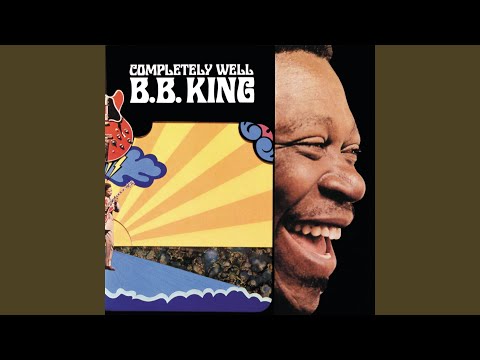



→ More from the 1970s File
View all 1970s hits →




Keep digging