The 1970s File Feature
Ghetto Woman
"Ghetto Woman" — B.B. King's Urban Portrait The King at the Height of His Pop Crossover By 1971, B.B. King had been recording and performing for more than tw…
01 The Story
"Ghetto Woman" — B.B. King's Urban Portrait
The King at the Height of His Pop Crossover
By 1971, B.B. King had been recording and performing for more than two decades. He had built his reputation in the blues circuit, a world largely separate from the pop mainstream, playing small clubs and theaters on what was sometimes called the "chitlin' circuit," the network of Black-owned and Black-friendly venues where artists like King found their audiences during the segregation era. Then came 1969 and "The Thrill Is Gone," a recording that crossed him into mainstream pop and rock consciousness with a force that nothing in his previous career had matched. The Thrill Is Gone reached number 15 on the Billboard Hot 100 and won King his first Grammy Award. Suddenly, a guitarist and vocalist who had been working steadily for twenty years was a household name.
Following the Breakthrough
"Ghetto Woman" arrived in 1971 as King was navigating the creative and commercial territory that his breakthrough had opened. Released on ABC Records, the track represented his attempt to connect his blues foundation with the social realism that was becoming increasingly prominent in Black American music in the early 1970s. Marvin Gaye had released What's Going On earlier in 1971; Curtis Mayfield was deepening his exploration of urban conditions; the genre that would become known as blaxploitation cinema was beginning to shape a particular aesthetic vocabulary around Black urban life. King's track engaged with some of that same territory.
The song describes a woman defined by her environment, someone whose strength, dignity, and beauty exist within and despite the constraints of poverty and urban hardship. The portrait is written with evident admiration for its subject, presenting the woman not as a victim but as someone who has developed resilience and character through her circumstances. That framing placed the song within a tradition of blues and soul music that celebrated the ordinary people of Black working-class communities.
The Billboard Run
The single debuted on the Billboard Hot 100 on September 11, 1971, entering at number 79. Its climb was gradual but consistent: 76, then 75. The track peaked at number 68 during the week of October 2, 1971, and remained on the chart for five weeks. That chart position reflected the competitive commercial landscape of 1971, when the Hot 100 was crowded with artists operating in adjacent territories. The song performed more strongly on the R&B charts, where King's audience was concentrated and where the track's blues-inflected production and subject matter found more natural traction.
B.B. King's Legacy and the Song's Place in It
B.B. King recorded prolifically across a career spanning more than six decades, and "Ghetto Woman" is one of many tracks from his early 1970s period that documented his engagement with the social realities of his time. He had grown up in the Mississippi Delta during the Depression era and had spent his formative years navigating the structures of racial segregation. His ability to address urban poverty and resilience in "Ghetto Woman" was grounded in lived understanding, not external observation. That authenticity of perspective distinguishes the track from comparable material by artists whose relationship to the subject was more abstract.
A Guitarist Who Could Tell Stories
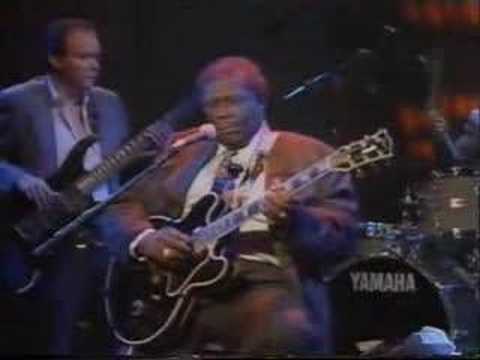
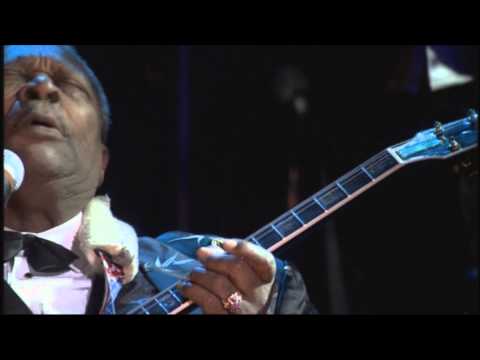
What distinguished King throughout his career was the integration of his guitar playing with his vocal storytelling. His guitar, which he named Lucille, functioned as a second voice, responding to and commenting on what his vocals expressed. In "Ghetto Woman," that dialogue between instrument and voice gives the portrait its texture and depth. Press play and hear one of blues music's great storytellers at the height of his mainstream visibility, applying his craft to a subject he understood deeply.
"Ghetto Woman" — B.B. King's singular moment on the 1970s charts.
02 Song Meaning
"Ghetto Woman" — B.B. King: Themes and Cultural Context
Dignity and Resilience as Lyrical Subject
The central thematic project of "Ghetto Woman" is the elevation of an ordinary woman whose life circumstances might lead casual observers to overlook or diminish her. The song's narrator sees past those circumstances to the person within them: her strength, her endurance, her particular kind of beauty that has been shaped by difficulty rather than erased by it. That act of attentive seeing, of looking carefully at someone the wider culture might pass over, placed the song within a tradition of blues and soul music that consistently centered the experiences of working-class Black Americans who were largely invisible in mainstream commercial culture.
The Blues Tradition of Social Witness
The blues has always been, among other things, a literature of witness. From its origins in the Mississippi Delta through its urban transformations in Chicago and beyond, the blues recorded the conditions of Black American life with a specificity and honesty that other American art forms rarely matched. B.B. King's roots in that tradition gave him both the artistic vocabulary and the personal authority to address subjects like poverty and urban hardship without either romanticizing them or collapsing into despair. The tone of "Ghetto Woman" is characterized by a complex mixture of acknowledgment and admiration, a clear-eyed view of difficult circumstances combined with genuine respect for the person surviving them.
The Early 1970s Context
The track arrived in a period when Black American music was engaging with social conditions more directly and more critically than at any previous point in its commercial history. The early 1970s produced an extraordinary body of work that addressed urban poverty, institutional racism, drug addiction, police brutality, and the political disillusionment that followed the civil rights movement's incomplete victories. Marvin Gaye, Curtis Mayfield, and the nascent genre of socially conscious soul created a context in which a song addressing the life of a woman in a ghetto could be received as a serious artistic statement rather than merely a blues convention. King's track participated in that larger cultural conversation without abandoning his blues foundation.
The Guitar as Voice
B.B. King's approach to his instrument was always inextricable from his storytelling. He did not use his guitar as decoration or as rhythmic support; he used it as a vehicle for emotional expression that operated in parallel to his vocals. In songs with social or character-based subject matter, that guitar commentary gives the narrative an additional layer of meaning. When the vocals describe the woman's circumstances, the guitar responds with something that sounds like recognition, like empathy expressed in notes rather than words. This integration of instrumental and vocal expression was central to King's artistic identity and to the particular power of his recordings.
The song's continued presence in King's catalog and in blues retrospectives reflects its status as an example of the artist applying his full craft to material that mattered to him. The combination of social observation, musical excellence, and emotional authenticity that King brought to the recording is what prevents it from being merely a product of its moment, whatever its chart position in 1971.
→ More from B.B. King
View all B.B. King hits →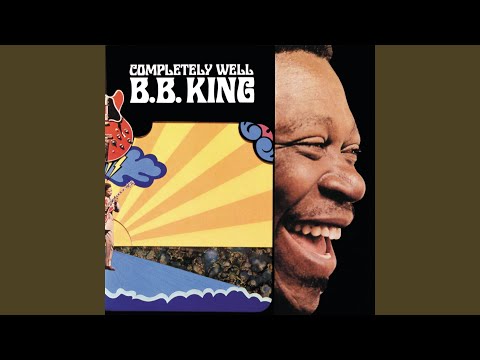


→ More from the 1970s File
View all 1970s hits →




Keep digging