The 1970s File Feature
Can't Help Falling In Love
The Elegant Crooning of Can't Help Falling In Love by Andy Williams Step into early 1970, when the smooth, sophisticated pop of the great traditional vocalis…
01 The Story
The Elegant Crooning of "Can't Help Falling In Love" by Andy Williams
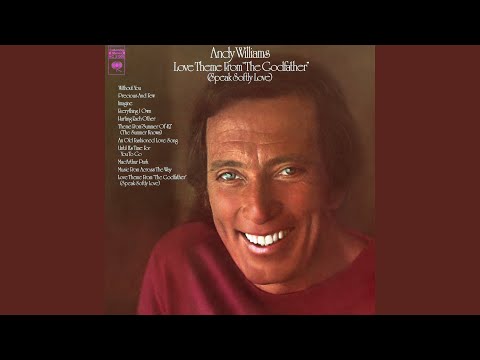
Step into early 1970, when the smooth, sophisticated pop of the great traditional vocalists still held a cherished place on the airwaves, even as rock and soul dominated the youth market. Andy Williams, one of the most beloved and elegant crooners of his generation, lent his warm, velvety voice to one of the most romantic ballads ever written. His interpretation brought polished class to a song already destined for immortality, a tender tribute to the irresistible power of love.
A Master of Easy Elegance
By 1970, Andy Williams was a household name, a smooth-voiced crooner beloved for his warm interpretations of popular standards and his long-running television variety show. He had built a reputation as one of the era's most reliable and elegant vocalists, a master of romantic ballads delivered with effortless grace. Covering a song already made famous by Elvis Presley was a natural fit for Williams, whose gift for tender, sophisticated balladry made him an ideal interpreter of such material.
A Lush, Romantic Interpretation
The song itself is a timeless ballad of surrender to love, built on a gorgeous, flowing melody adapted from a classical theme. Williams's version is lush and elegant, framing his warm baritone in rich orchestration. He delivers the lyric with sincerity and polish, honoring the song's romantic essence while bringing his own smooth sensibility to it. The arrangement is sophisticated and tender, the kind of refined pop that defined Williams's celebrated style. It is a graceful, heartfelt reading of a beloved classic. His phrasing is unhurried and warm, allowing each line to breathe and the melody's gentle beauty to shine through without any excess or strain.
A Brief Chart Appearance
On the Hot 100, Williams's version made a modest, brief appearance. It debuted on February 28, 1970, at number 97, held at number 97 for a second week, then climbed to its peak of number 88 on March 14, 1970. It spent just three weeks on the chart. The modest placement reflects the competitive pop landscape of 1970, where traditional crooners faced stiff competition from rock and soul. Still, Williams's elegant interpretation found an appreciative audience among fans of sophisticated, romantic balladry.
The Crooner in a Changing World
Williams's recording reflects the position of the traditional crooner in a rapidly transforming musical landscape. By 1970, the charts were dominated by rock, soul, and the emerging sounds of a new generation, and the smooth balladeers who had ruled earlier decades found themselves competing for a shrinking slice of the pop audience. Yet there remained a substantial, loyal following for elegant, sophisticated singing, listeners who valued craft, warmth, and romantic sincerity over youthful rebellion. Williams was a champion of that sensibility, and recordings like this one kept the crooning tradition alive. His decision to interpret a song already cherished in another form spoke to his confidence and his belief that great material could support many voices, each bringing its own grace to a timeless melody.
A Graceful Entry in a Distinguished Career
This recording stands as a lovely example of Andy Williams's refined artistry and his gift for romantic interpretation. He would remain a beloved figure for decades, his warm voice and gentle charm earning him a devoted following across generations. While this version of the classic ballad was a modest chart entry, it showcases the elegance that made Williams one of the era's most cherished vocalists. For fans of sophisticated pop, it remains a graceful and heartfelt listen, a tribute to a timeless song delivered by one of the genre's most accomplished and beloved voices.
Press play and savor that voice: a smooth, elegant interpretation of one of the most romantic ballads ever written.
"Can't Help Falling In Love" — Andy Williams's singular moment on the 1970s charts.
02 Song Meaning
What "Can't Help Falling In Love" by Andy Williams Really Means
This is a song about the helpless, inevitable surrender to love. Its central idea is that some loves are simply meant to be, that the heart can be drawn to another so powerfully that resistance is futile. It is a tender meditation on the irresistible, almost fated nature of true love.
The Inevitability of Love
At its core, the song is about surrendering to a love that cannot be resisted. The narrator acknowledges that falling for this person is beyond his control, as natural and unstoppable as a river flowing to the sea. That sense of inevitability is deeply romantic, suggesting a love so powerful and right that fighting it would be pointless. The song frames this surrender as something beautiful rather than frightening.
Wisdom and Caution
The song also carries a note of gentle wisdom. It references the idea that only fools rush in, acknowledging the risk in giving one's heart completely. Yet the narrator chooses to take that risk anyway, deciding that this love is worth it. That balance between caution and surrender gives the song emotional depth, capturing the moment when reason yields to the heart's certainty.
Timeless Romantic Devotion
The song expresses a vision of complete, lasting devotion. The promise to love forever, framed in such tender and elegant terms, speaks to the deepest romantic ideals. Williams's smooth, sincere delivery emphasized that sense of enduring commitment, suited to a more adult, sophisticated audience. The song treats love as something profound and permanent, a feeling worth surrendering to wholeheartedly.
Surrender as Strength
The song reframes surrender as something noble rather than weak. To admit that you cannot help falling in love is to acknowledge a loss of control, yet the song treats that admission as an act of courage and faith. Choosing to give your heart completely, despite the risk, requires a quiet strength. The narrator is not helpless in a passive sense; he is making a conscious decision to embrace a love he knows he cannot resist. That subtle distinction gives the song its emotional richness, suggesting that the truest expression of love is the willingness to surrender to it fully, trusting that the feeling is worth whatever vulnerability it demands.
Why It Resonated
The song connected because its vision of irresistible love is universally cherished. Everyone longs to feel a love so powerful and right that surrender becomes inevitable, and the song captured that feeling with timeless beauty. Williams's elegant interpretation brought refined warmth to the sentiment, making it feel both sophisticated and sincere. That tender vision of fated, lasting love is why the song endures, a graceful reminder of the heart's helpless and beautiful surrender.
→ More from Andy Williams
View all Andy Williams hits →



→ More from the 1970s File
View all 1970s hits →




Keep digging