The 1970s File Feature
A Horse With No Name
The Desert Hymn of America s A Horse With No Name Close your eyes and the song builds the landscape for you in seconds: a parched expanse, heat shimmering of…
01 The Story
The Desert Hymn of America's "A Horse With No Name"
Close your eyes and the song builds the landscape for you in seconds: a parched expanse, heat shimmering off the sand, a lone traveler drifting beneath an enormous and indifferent sky. In the early 1970s, as the bright optimism of the previous decade gave way to something more inward and searching, three young men raised in part on military bases in England tapped into exactly that mood. "A Horse With No Name" became their calling card and one of the defining acoustic singles of its entire era, a track that still conjures empty highways the instant it begins.
Three Voices, One Sound
America was the trio of Gerry Beckley, Dewey Bunnell, and Dan Peek, sons of American servicemen who came together in London and built a sound around interlocking acoustic guitars and warm, blended harmonies. Dewey Bunnell wrote this song, conjuring its vivid desert imagery as a meditation on solitude and escape from the noise of ordinary life. The recording leans on a hypnotic, almost meditative two-chord sway and those airy vocal harmonies, creating a track that feels both restless and becalmed at the very same time. There is a deceptive simplicity to it, the kind of effortless-sounding craft that countless imitators have tried and failed to replicate over the years.
A Swift Gallop to Number One
The single's chart story is a genuine sprint. It debuted at number 84 on February 19, 1972 and then bolted upward with startling speed: to 47, to 20, to 7, to 2 within a matter of just a few weeks. It seized number 1 on the Billboard Hot 100 for the week of March 25, 1972, announcing the trio as a major new force in American music almost overnight. Across its run the song spent fourteen weeks on the Hot 100, settling in as one of the signature records of the season. The frequent comparisons to Neil Young's distinctive vocal style trailed the band for years afterward, a testament to how seamlessly they slotted into the singer-songwriter landscape of the day.
The Sound of a Quieter Decade
The success was a clear sign of where pop music was heading. The early 1970s embraced introspection, acoustic textures, and lyrics that read like pages torn from a private journal. This song captured that turn perfectly, trading the electric exuberance of the 1960s for something gentler, more contemplative, and more inward. It soundtracked countless road trips and lazy afternoons, its wide-open spaces inviting listeners to project their own longings and daydreams onto that nameless, sun-bleached desert. It asked nothing and offered everything, which is a rare quality in a hit single.
An Enduring Trail
America went on to a long and successful run of soft-rock hits through the rest of the decade, scoring further favorites that kept them on the radio for years. Yet nothing ever quite eclipsed the eerie, magnetic pull of their very first smash. The song has become shorthand for an entire aesthetic, equal parts wanderlust and weariness, and it surfaces again and again in films and television whenever a scene needs that particular sun-bleached, searching feeling. Today it counts some 56 million views on YouTube, drawing new listeners steadily into its shimmering mirage. Part of that longevity comes from how little the song dates; its acoustic textures and open spaces sidestep the production fads that anchor so many hits firmly to their year of release. It sounds as natural now as it did then, a quality that has helped it endure where flashier records have faded. Let it play, and you will feel the heat rising off the sand within the first few gentle bars.
"A Horse With No Name" — America's singular moment on the 1970s charts.
02 Song Meaning
Reading the Mirage of "A Horse With No Name"
On its surface, "A Horse With No Name" is a simple travelogue through an empty desert. Listen a little closer, though, and it becomes a quiet meditation on solitude, on the strange peace that comes from leaving the crowded world behind and riding into a place where nothing is named and nothing is asked of you. The song works precisely because it leaves so much space for the listener to fill, turning a private daydream into something shared.
The Desert as a State of Mind
The imagery is vivid and deliberately barren: sand, heat, plants and rocks and birds, and above all the absence of human noise. The desert here functions less as a real geographic place than as a mental one, a blank canvas where the weary traveler can finally hear himself think. The song is really about escape and self-reflection, the deep urge to strip life down to its bare essentials and find some measure of clarity in all that emptiness. It is a landscape of the mind as much as the map, which is why it feels so personal.
The Comfort of Being Lost
There is a striking paradox at the very center of the lyric. The narrator is utterly alone, cut off from everyone and everything, yet he sounds liberated rather than frightened by it. Out in that nameless expanse, free of obligations and identities and expectations, he discovers a curious kind of relief. It speaks directly to anyone who has ever felt overwhelmed by life's endless demands and quietly dreamed of simply disappearing for a while. The unnamed horse becomes a steady companion in that disappearance, a silent partner in the gentle act of letting everything go.
An Answer to a Searching Era
The early 1970s were something of a comedown from the soaring idealism of the 1960s, a time when many people turned inward to make sense of a world that had grown disillusioning and confusing. This song fit that introspective mood exactly, offering neither protest nor celebration but quiet retreat, a gentle invitation to wander away from the chaos for a few minutes. Its enormous popularity revealed just how many listeners secretly shared that same longing for stillness, space, and a little distance from the noise of modern life.
Why It Still Resonates
The song endures because the feeling it captures is genuinely timeless. The wish to escape, to find a quiet place and simply reset, only grows stronger as life grows louder and more crowded. Its dreamy, hypnotic sound lets you sink into that fantasy completely. When you play it now, you are not just hearing a hit from 1972; you are stepping into a wide-open silence that the modern world rarely offers anyone. That tender promise of peace, of a road with no destination and a horse with no name, is exactly why it keeps quietly drawing people back to it.
→ More from America
View all America hits →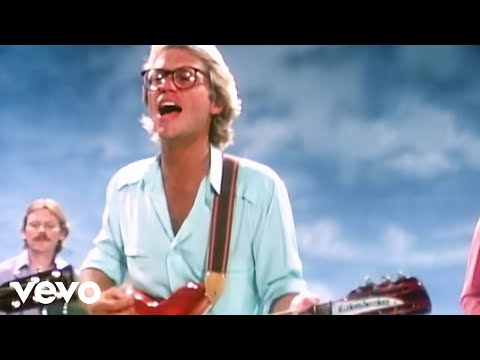


→ More from the 1970s File
View all 1970s hits →




Keep digging