The 1970s File Feature
How Much I Feel
How Much I Feel — Ambrosia: Chart History and Recording Background Ambrosia was a California-based rock band that occupied a distinctive space in the late 19…
01 The Story
How Much I Feel — Ambrosia: Chart History and Recording Background
Ambrosia was a California-based rock band that occupied a distinctive space in the late 1970s American music landscape, blending elements of progressive rock, soft rock, and adult contemporary pop in ways that gave them a sound simultaneously sophisticated and commercially accessible. "How Much I Feel" was the song that brought them to their widest audience, a single that reached number three on the Billboard Hot 100 in 1978 and became one of the defining soft rock ballads of its era. The song appeared at a moment when adult contemporary radio was among the most commercially powerful formats in American music, and Ambrosia's sophisticated musicianship proved perfectly suited to that environment.
The band had been formed in the Los Angeles area in the early 1970s, originally pursuing a more progressive rock direction that drew comparisons to acts like Yes and Gentle Giant. Their early work on 20th Century Records had attracted critical attention from progressive rock enthusiasts but had not produced significant chart success. The transition toward a more radio-accessible sound was gradual but decisive, and by the time they recorded the material that would yield "How Much I Feel," they had developed a polished, hook-driven approach that retained their musical sophistication while prioritizing melodic clarity and emotional accessibility.
The song was recorded for the Warner Bros. Records album "Life Beyond L.A.," released in 1978. The production, overseen with the kind of studio attention to detail characteristic of the best Los Angeles sessions of the era, featured layered vocal harmonies, clean guitar work, and an arrangement that showcased the band's musical range while keeping the focus firmly on the song's emotional core. Ambrosia's vocal blend was exceptional, and "How Much I Feel" gave them a vehicle that highlighted that strength more effectively than any of their previous recordings.
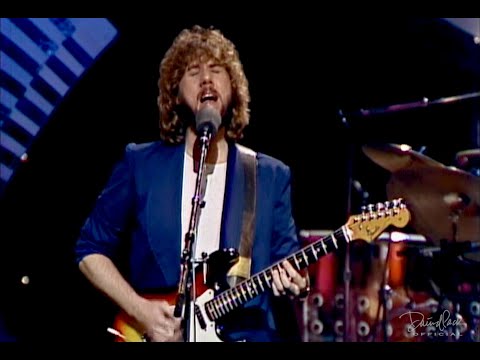
The vocal lead on the track was shared in a way that became characteristic of Ambrosia's approach, with David Pack's lead work supported by harmonies that gave the recording a richness uncommon in the commercial pop of the period. The song's chord progressions reflected the band's progressive rock background, incorporating harmonic sophistication that distinguished the recording from simpler pop constructions while never becoming obscure or alienating to the mainstream listener.
"How Much I Feel" spent multiple weeks on the Hot 100 during its chart run in 1978, peaking at number three and becoming one of the most-played songs on adult contemporary radio during the latter half of that year. The adult contemporary chart performance was particularly strong, as the song connected deeply with the format's audience of mature listeners who valued melodic sophistication and emotional resonance over the rawer energies of rock or the percussive drive of disco, which was simultaneously dominating other segments of the commercial pop landscape.
The song's success transformed Ambrosia's commercial trajectory, giving them a hit that would define their public identity for decades afterward. The album "Life Beyond L.A." benefited from the single's success, and the band found themselves able to tour more extensively and reach venues that their earlier progressive rock material had not permitted them to access. The track was certified for significant sales performance and received extensive radio play that continued well beyond its initial chart run, as adult contemporary stations incorporated it into their rotations for years after its release.
In the broader context of 1978 American pop music, "How Much I Feel" stands as a high-water mark for a particular kind of craft-focused commercial music: the song that satisfies both the casual listener seeking an emotionally satisfying melody and the more engaged listener who notices and appreciates the underlying musical intelligence. That combination of accessibility and depth has ensured the song's enduring presence in classic rock and adult contemporary radio formats, where it continues to be recognized as one of the finest examples of its genre from the late 1970s.
02 Song Meaning
Meaning and Themes: How Much I Feel by Ambrosia
"How Much I Feel" by Ambrosia is a meditation on romantic love's depth and its difficulty of expression, a song whose central tension is the gap between the intensity of what the narrator experiences internally and the inadequacy of language to convey that experience to another person. This is a classical theme in popular song, but Ambrosia's treatment of it is distinguished by the emotional sincerity of the delivery and by the musical sophistication that gives the song's emotional content an unusual weight and credibility. The song does not merely assert love; it performs the effort of articulating love, which is a subtler and more affecting achievement.
The narrator's position throughout the song is one of humility before the size of his own feelings, a posture that acknowledges the potential inadequacy of his capacity to communicate what he experiences. This self-aware vulnerability gives the song a dimension of emotional honesty that sets it apart from less reflective romantic declarations. The listener is invited to understand not just that the narrator loves but that the love is larger than what the narrator can contain or express, a condition that any person who has experienced deep romantic attachment will recognize.
For Ambrosia's catalog, "How Much I Feel" represents the fullest realization of the band's ability to translate musical sophistication into emotional communication. Their earlier work had demonstrated considerable technical skill and harmonic imagination, but the progressive rock context in which that work appeared sometimes placed emphasis on musical complexity at the expense of direct emotional impact. "How Much I Feel" found the band achieving genuine emotional directness without sacrificing any of the musical intelligence that distinguished them from simpler commercial acts.
The song's harmonic language, which draws on the jazz-influenced chord vocabulary that the band had developed through their progressive period, gives the emotional content an unusual richness. The chords under the vocal melody do not simply support the lyrical sentiment; they complicate and deepen it, creating a musical texture in which sophisticated feeling seems to arise naturally from the interplay of voices and instruments. This integration of musical complexity and emotional directness is relatively rare in commercial pop and helps explain the song's enduring appeal to listeners who might not consciously analyze harmonic language but who respond to its emotional effects.
The vocal harmony approach employed by Ambrosia on this recording is another carrier of the song's meaning. Harmony in vocal music has always been associated with connection and unity, with multiple voices finding a common resonance, and the layered harmonies of "How Much I Feel" enact at a sonic level the very desire for connection that the lyrics articulate. This alignment of form and content is a mark of artistic intelligence, intentional or not, and it contributes to the song's coherence as an emotional experience rather than merely as a commercial product.
In the context of late 1970s American popular music, "How Much I Feel" also carries meaning as a kind of counter-statement to the dominant sonic energies of its moment. Disco was at its commercial peak in 1978, and punk and new wave were mounting a cultural challenge to the established pop order, yet Ambrosia produced a song that was essentially timeless in its concern with the oldest subject in popular music. The song's quiet confidence in the enduring relevance of romantic feeling as a subject for serious musical attention proved well-founded, as its continued presence in radio formats and listener memory demonstrates.
→ More from Ambrosia
View all Ambrosia hits →


→ More from the 1970s File
View all 1970s hits →




Keep digging