The 1960s File Feature
Gee Baby (I'm Sorry)
The Three Degrees and the Early Promise of Gee Baby (I'm Sorry) Picture the mid-1960s, a moment when the vocal group tradition was flourishing and a new gene…
01 The Story
The Three Degrees and the Early Promise of "Gee Baby (I'm Sorry)"
Picture the mid-1960s, a moment when the vocal group tradition was flourishing and a new generation of female trios brought elegance and harmony to the charts. The era welcomed polished, soulful groups whose blended voices carried both sweetness and strength. Among the acts beginning their journey was a Philadelphia trio destined for far greater fame in the decade to come, a group whose early recordings already hinted at the talent and class that would later make them stars.
A Trio At The Start
The Three Degrees were a female vocal group that would go on to considerable international success, particularly in the following decade. The group emerged from the rich musical scene of Philadelphia, a city that would become a powerhouse of soul music. This single came from their early years, well before the major triumphs that lay ahead. Even at this stage, the group displayed the polished harmonies and soulful sensibility that would eventually carry them to stardom on the world stage.
An Early Soulful Outing
This single showcased the trio's blend of harmony and feeling, a soulful track built around their interlocking voices. The song carried the romantic, emotional quality characteristic of the era's girl-group recordings, with the group's vocals conveying genuine warmth. The arrangement framed their harmonies in the soulful pop style of the moment, an early demonstration of the qualities that would later define their celebrated sound. It was a promising glimpse of a group still finding their full voice.
A Modest Chart Showing
The single entered the Billboard Hot 100 on March 6, 1965, debuting at number 100. It climbed slowly over the following weeks, reaching its peak of number 80 on April 3, 1965. The song spent 5 weeks on the Hot 100, a modest showing that gave only a hint of the success the group would later achieve. These early chart appearances were the foundation upon which a much larger career would eventually be built.
Before The Stardom
This single arrived years before The Three Degrees reached their commercial peak, a period when they would become one of the most successful vocal groups of their kind. Their later triumphs, fueled by the burgeoning Philadelphia soul movement, would carry them to international fame. Records like this one represent the group's formative years, the early efforts that preceded their breakthrough. They capture a talented trio still on the rise, building toward something far bigger.
The Philadelphia Sound In The Making
The group's Philadelphia roots connected them to a musical movement of enormous importance. The city would soon become the epicenter of a rich, orchestral style of soul, producing some of the most sophisticated and beloved records of the following decade. The Three Degrees were among the talents nurtured in that fertile environment, and their development paralleled the rise of the Philadelphia sound itself. This early single captures the group before that movement reached its full flowering, a glimpse of the talent that the city's vibrant scene would help shape into international success. Their journey from these modest beginnings to later stardom mirrors the broader story of Philadelphia soul, a movement that transformed the landscape of popular music and gave the world some of its most enduring and elegant recordings.
A Promising Early Glimpse
For listeners today, the recording offers a charming look at a celebrated group in their early days, a song full of soulful harmony and romantic feeling. There is genuine promise in their delivery, the sound of a trio whose best was yet to come. Press play and hear the early stirrings of a group that would later conquer the charts, a sweet and soulful gem from the start of their journey.
"Gee Baby (I'm Sorry)" — The Three Degrees' singular moment on the 1960s charts.
02 Song Meaning
The Meaning Behind "Gee Baby (I'm Sorry)"
This is a song of apology and regret, a heartfelt plea for forgiveness in a troubled relationship. Its title says it plainly, an expression of remorse offered to a loved one. The lyric explores the vulnerability of admitting fault and the longing to repair a bond that has been strained. It is a tender appeal, the sound of someone reaching out to make amends and restore a cherished connection.
The Courage Of Apology
At the heart of the song lies the act of saying sorry. It captures the vulnerability of admitting one's mistakes, the difficult but necessary step of acknowledging fault. That theme of remorse gives the song its emotional core, exploring the humility and courage required to apologize. The lyric understands that genuine apology is an act of love, a willingness to set pride aside for the sake of a relationship.
The Longing To Repair
The song expresses a deep desire to mend what has been broken. It conveys the hope of restoring a damaged bond, the wish to return to closeness after conflict. That longing for reconciliation gives the song its tender quality, capturing the ache of wanting to make things right. The plea carries real feeling, the earnest hope that forgiveness will follow the apology.
Harmony As Emotional Expression
For a vocal group, much of the meaning comes through the blend of voices. The interlocking harmonies convey the song's tenderness and regret, deepening the emotional impact beyond the words alone. The soulful delivery lends the apology genuine warmth, the voices working together to express remorse and hope. The performance becomes part of the meaning, the harmony carrying the emotional weight.
The Vulnerability Of Remorse
There is real emotional courage in the song's central gesture. Admitting fault requires setting aside pride and exposing one's vulnerability, a difficult act that the song treats with tenderness and respect. The lyric does not shy away from the discomfort of remorse, instead embracing it as a necessary step toward reconciliation. That honesty gives the song its emotional weight, capturing the humbling experience of acknowledging one has hurt someone they love. The willingness to apologize sincerely, to risk rejection in the hope of forgiveness, is one of love's quieter forms of bravery. The song honors that courage, framing the apology not as weakness but as an expression of how much the relationship truly matters to the one offering it.
Why It Resonated
The song connected because its sentiment is one everyone understands. The need to apologize and seek forgiveness is universally felt, and the song gave that experience a tender, soulful voice. Its heartfelt plea and warm harmonies spoke to anyone who had ever longed to repair a strained relationship. That relatable emotion, delivered with genuine feeling, gave the song its quiet appeal.
→ More from The Three Degrees
View all The Three Degrees hits →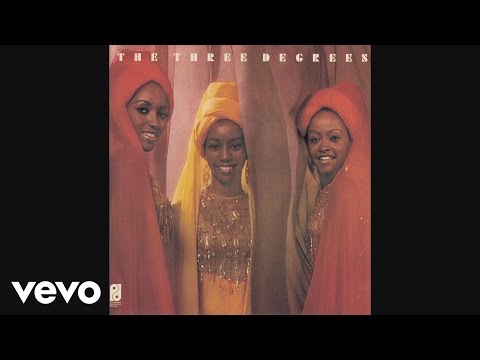
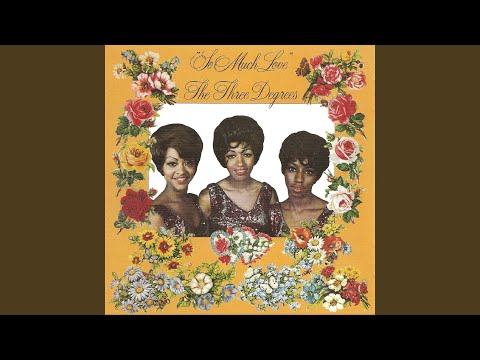
→ More from the 1960s File
View all 1960s hits →




Keep digging