The 1960s File Feature
Time Is On My Side
"Time Is On My Side" — The Rolling Stones Conquer America The British Invasion Needs a Weapon By the autumn of 1964, the British Invasion was well underway, …
01 The Story
"Time Is On My Side" — The Rolling Stones Conquer America
The British Invasion Needs a Weapon
By the autumn of 1964, the British Invasion was well underway, but it was still far from complete. The Beatles had established the beachhead, but the question of whether other British groups could sustain commercial momentum in America remained open. The Rolling Stones had toured the country earlier in 1964 and encountered crowds that were enthusiastic but not yet frenzied in the way that Beatlemania had trained audiences to behave. They needed a song that could crack American radio in a way their earlier releases had not managed. "Time Is On My Side" turned out to be exactly that song, and the story of how it got to them says a great deal about the creative opportunism that characterized great acts of that era.
The Song's Origins
"Time Is On My Side" was written by Norman Meade, the pseudonym used by composer Jerry Ragovoy. It was first recorded by jazz trombonist Kai Winding and his orchestra in 1963, and subsequently recorded by Irma Thomas, the New Orleans soul singer whose soulful version was making the rounds on American R&B radio when the Rolling Stones encountered it. Mick Jagger's vocal on the Rolling Stones' version was modeled closely on Thomas's interpretation, with the group bringing their own rawer, guitar-forward energy to the arrangement. The Stones had a consistent habit of reaching into American blues and soul catalogues for material, and this selection demonstrated their canny understanding of what would translate across the Atlantic in the other direction.
The Chart Ascent
Released in the United States on London Records, "Time Is On My Side" entered the Billboard Hot 100 on October 17, 1964, at position 80. The climb that followed was steady and impressive: by December 5, 1964, the single had reached its peak of number 6, where it spent several weeks. The thirteen weeks total on the chart made it by far the band's most successful American single to that point. Radio stations that had been cautious about British acts outside the Beatles found the song's combination of blues phrasing and pop melody easier to programme than some of the band's more abrasive earlier material, and that broader radio acceptance accelerated the record's commercial performance considerably.
The Recording and the Stones' 1964 Sound
The Rolling Stones cut their American material with a sound that was rawer and more blues-rooted than much of what was coming from British studios at the time. The organ introduction on the single version became one of the song's most recognizable features, lending it a gospel and soul quality that connected it directly to the American music that had inspired the band. Keith Richards' guitar work throughout the track served the song rather than dominating it, a discipline that suited the material's emotional demands. The production captured a band that was still developing its signature sound, but already possessed of the rhythmic confidence and vocal swagger that would define the Rolling Stones' identity through the following decades.
A Doorway to American Stardom
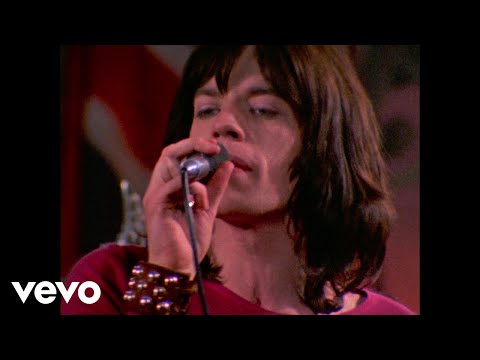
"Time Is On My Side" functioned as the key that unlocked the American market for the Rolling Stones in a sustained way. Subsequent appearances on American television, including appearances on programs that amplified their image as the dangerous alternative to the more wholesome Beatles, built on the chart success of this single. The recording accumulated nearly 4.4 million YouTube views across subsequent decades, finding listeners in every generation who encounter the Rolling Stones' early catalog through streaming platforms. Cue it up and hear the moment when one of the greatest careers in rock history started to click into place on American soil.
"Time Is On My Side" — The Rolling Stones' singular moment on the 1960s charts.
02 Song Meaning
"Time Is On My Side" — Confidence, Patience, and the Power of the Long Game
The Narrator Who Knows He Will Win
What makes "Time Is On My Side" distinctive among 1960s pop songs about love is its fundamental posture: the narrator is not suffering, pleading, or despairing. Instead, he is supremely patient, convinced that the object of his desire will eventually return. This confidence, bordering on arrogance, placed the song at odds with the conventions of early 1960s pop, where male vulnerability was at least as common as male bravado. The Rolling Stones, in choosing this material and delivering it with Mick Jagger's characteristic swagger, were making an implicit argument about what kind of men they represented, and it resonated immediately with audiences looking for something with more edge than mainstream pop was providing.
The Blues Tradition and Its Emotional Logic
The song's emotional architecture draws on the blues tradition of stoic endurance, the ability to absorb hardship and come out the other side unchanged. In traditional blues, time is not the enemy; it is the medium through which suffering becomes survivable and eventually surmountable. The Rolling Stones carried this emotional logic into a pop format, stripping away some of the blues' darkness while preserving its core message of resilience. The result was a song that felt more complex than the typical pop love song without requiring the listener to have any knowledge of its musical genealogy to feel its impact.
Love as Confidence Rather Than Supplication
The cultural resonance of the song's central attitude is worth examining. The narrator's certainty that his partner will return because she will realize she cannot find anything better elsewhere was a particular kind of romantic confidence that the early 1960s music scene had not often articulated so clearly. Whether that confidence reads as appealing or unsettling depends enormously on the listener's own perspective, and the fact that it can be heard both ways is part of what makes the song interesting as a cultural document. Jagger's vocal performance leaned into the ambiguity, playing the attitude as genuinely felt rather than consciously calculated.
The American Sound in British Hands
By selecting and adapting material with deep roots in American soul and gospel traditions, the Rolling Stones were engaging in a kind of cultural conversation that ran counter to the direction of the British Invasion. Where the Beatles had written most of their own material in a style that synthesized American influences into something distinctly new, the Stones were more explicitly interested in recovering and transmitting the American originals they admired. Their version of "Time Is On My Side" honored Irma Thomas's soulful interpretation while recontextualizing it within British rock, creating a cross-cultural hybrid that pleased audiences on both sides of the Atlantic.
The Song's Place in the Stones' Legacy
"Time Is On My Side" remained a fan favorite and concert staple throughout the Rolling Stones' performing career, acquiring new layers of meaning as the band itself aged. A song about patience and the long view takes on additional resonance when performed by musicians in their fifties, sixties, and beyond. The song became, unintentionally, a kind of mission statement for the longest sustained career in rock history. In its original 1964 form, it was a young band's claim on confidence. In its later performances, it became evidence that confidence had been justified. The YouTube audience of nearly 4.4 million has found something in this original recording that continues to hold up across every shift in taste and fashion.
→ More from The Rolling Stones
View all The Rolling Stones hits →


→ More from the 1960s File
View all 1960s hits →




Keep digging