The 1960s File Feature
Fever
The McCoys Heat Up a Classic with Fever Picture the closing weeks of 1965, a moment when young American bands were riding the energy unleashed by the British…
01 The Story
The McCoys Heat Up a Classic with "Fever"
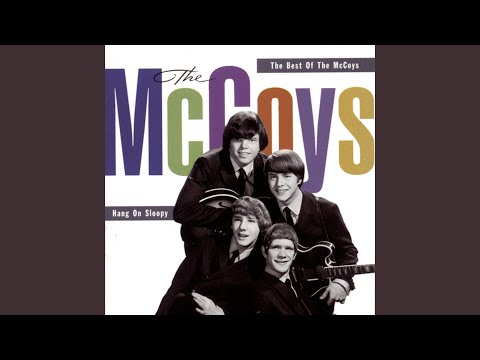
Picture the closing weeks of 1965, a moment when young American bands were riding the energy unleashed by the British invasion, putting their own electric spin on rock and roll and reaching for the top of the charts. Garage rock was bristling with youthful energy, and groups of teenagers were turning out hits with raw enthusiasm. Into that scene came The McCoys, a young band fresh off a massive breakthrough, taking on the sultry, much-recorded standard "Fever" and reshaping it with their own youthful, rock-driven energy.
A Young Band Riding High
The McCoys had exploded onto the scene with a chart-topping breakthrough, establishing themselves as one of the exciting young American bands of the mid-1960s. Built around youthful energy and a knack for catchy rock, they were eager to follow their initial success with more hits. Taking on "Fever," a song that had been recorded by numerous artists and was already considered a standard, was an ambitious move. It gave the young band a chance to put their own stamp on a well-known classic, reshaping the sultry tune in their own energetic style.
A Standard Reborn in Garage Rock
"Fever" was already a much-loved standard by 1965, a sultry, smoldering song that had been interpreted by many performers. The McCoys brought a younger, more rock-driven sensibility to the material, infusing it with the garage rock energy of the era. Their version traded smoky sophistication for youthful drive, giving the classic tune a fresh, contemporary edge. The arrangement carried the punchy, guitar-forward sound that defined the band, a reinterpretation that connected the song's timeless theme to the energetic spirit of mid-1960s American rock.
The Timeless Theme of Desire
At the heart of "Fever" lies a powerful and enduring theme, the burning intensity of desire and love. The song's central metaphor, comparing passion to the heat of a fever, captures the overwhelming, almost feverish quality of romantic attraction. It is a sultry, evocative image that had made the song a standard, and the McCoys' version preserved that smoldering appeal while energizing it for a new audience. The timeless theme of consuming desire gave the song its lasting power across many interpretations.
A Strong Run on the Hot 100
The single performed impressively on the national chart at the end of 1965. "Fever" debuted on the Billboard Hot 100 on November 13, 1965, at number 72. It climbed quickly and powerfully, surging into the fifties, thirties, and twenties over successive weeks, before peaking at number 7 on December 25, 1965. In total the song spent eleven weeks on the Hot 100. Reaching the Top 10 was a major success, confirming that the young band's energetic take on the classic had connected strongly with audiences and that the McCoys were more than a one-hit phenomenon.
A Spirited Chapter in Garage Rock
Within the story of mid-1960s American rock, this single stands as a fine example of a young band breathing new life into a classic. The eleven-week run and the climb to number 7 capture the McCoys at a successful and confident moment in their career. For fans of the era, the song remains a spirited reminder of how the energy of garage rock could reinvent even a well-worn standard, giving a timeless song of desire a fresh, youthful charge that connected with a new generation of listeners.
The decision to cover an established standard reveals something about the era's creative confidence. Young bands felt free to reach back into the songbook and remake classics in their own image, trusting that their energy could renew even the most familiar material. The McCoys took a song with a long history and made it feel current, proof that a great tune could be reinvented for each new generation. That success also showed that the band had genuine staying power, capable of following their breakthrough with another major hit and establishing themselves as a real force in mid-1960s American rock.
Press play and feel the McCoys turn up the heat on a timeless classic.
"Fever" — The McCoys' singular moment on the 1960s charts.
02 Song Meaning
The Meaning Behind "Fever"
This is a song about the burning, consuming intensity of desire and love, using the metaphor of a fever to capture the overwhelming heat of passion. The central image compares romantic attraction to a feverish illness, something that takes hold of the body and cannot be controlled. The meaning lives in that powerful metaphor, a sultry portrait of all-consuming desire.
Desire as a Fever
The central metaphor frames love and passion as a kind of fever, a heat that burns through a person and overwhelms their senses. This vivid image captures the intensity and helplessness of strong desire, the way attraction can feel like a physical condition. The theme is the consuming power of passion, the sense of being overtaken by a love so intense it feels like a fever. It is desire rendered as something visceral and overwhelming.
Smoldering Sensuality
The song carries a sultry, smoldering quality that has made it a standard across countless interpretations. Its slow-burning intensity evokes the heat of romance in a way that feels both elegant and primal. The song channels a deep, sensual energy, the simmering quality of desire that builds beneath the surface. That sensuality is central to the song's enduring appeal, a quality the McCoys preserved while adding their own youthful drive.
A Timeless Image
The fever metaphor has given the song remarkable staying power, allowing it to be reinterpreted by many performers across the decades. The image is universal and instantly understood, a perfect distillation of romantic intensity. The song's central idea transcends any single version, a timeless way of expressing the overwhelming heat of love. That universal resonance is why the song has remained a beloved standard.
Passion Beyond Words
What makes the fever metaphor so effective is the way it captures something that is hard to put into ordinary language. Desire can feel physical, almost like an affliction, and the image of a fever conveys that overwhelming quality perfectly. The song gives form to a feeling that often resists description, translating the raw heat of attraction into an image everyone can instantly grasp. That power to express the inexpressible is a large part of why the song has endured across so many versions and so many decades.
Why It Resonated
Listeners connected with the song because its metaphor speaks to a universal experience. Everyone understands the overwhelming, almost feverish intensity that desire can bring. The song captures that consuming passion in an unforgettable image, a sultry expression of love's heat. The McCoys' energetic version brought that timeless theme to a new generation, and its smoldering portrait of desire is exactly why the song connected so powerfully and climbed so high on the chart.
→ More from The McCoys
View all The McCoys hits →

→ More from the 1960s File
View all 1960s hits →




Keep digging