The 1960s File Feature
Sad Girl
Sad Girl: The Intruders and the Birth of Philadelphia Soul "Sad Girl" was released in 1969 on Gamble Records , placing it at the very beginning of the Philad…
01 The Story
Sad Girl: The Intruders and the Birth of Philadelphia Soul
"Sad Girl" was released in 1969 on Gamble Records, placing it at the very beginning of the Philadelphia soul movement that would reshape American R&B over the following decade. The Intruders were one of the cornerstone acts on Gamble Records, the independent label founded by Kenny Gamble and Leon Huff that would eventually become Philadelphia International Records, the most commercially and artistically significant soul label of the 1970s. "Sad Girl" arrived before that transformation was complete, during the period when Gamble and Huff were still developing the sound, the orchestral arrangements, the sophisticated chord structures, the emotionally nuanced production approach that would define what came to be known as the Sound of Philadelphia or Philly soul.
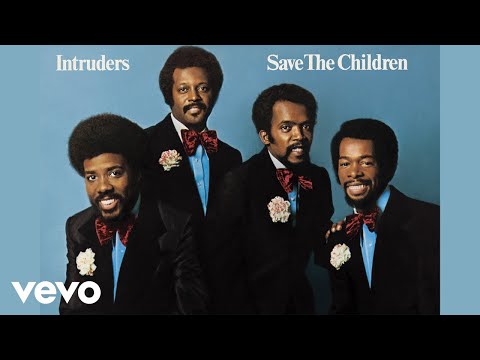
The Intruders consisted of Sam "Little Sonny" Brown, Eugene "Bird" Hawkins, Phil Terry, and Robert "Big Sonny" Edwards, a vocal group from Philadelphia whose harmonies had a warmth and emotional directness that made them ideal vehicles for the material Gamble and Huff were developing. The group had first recorded for Gamble in the mid-1960s and had charted with several recordings before "Sad Girl," but this period of production marked a step forward in the sophistication and emotional depth of their recorded work. Gamble and Huff were producers of extraordinary musical intelligence, and their growing confidence in their own aesthetic vision was evident in the increasingly distinctive sound of the Intruders' recordings.
The production on "Sad Girl" featured the elements that would become Philadelphia soul's signature, a rhythm section providing a controlled but deep groove, string arrangements that added emotional weight without overwhelming the vocal performance, and the careful attention to the relationship between the lead vocal and the ensemble that allowed both individual expression and group harmony to contribute to the overall effect. Thom Bell, who would become one of the central architects of the Philadelphia sound, was also active at Gamble Records during this period, and the influence of his arranging sensibility was part of the broader creative environment in which "Sad Girl" was produced.
Gamble Records was located in Philadelphia, a city with a rich musical tradition that had contributed significantly to American rhythm and blues through the previous decade and a half. The local studio infrastructure, including Sigma Sound Studios, which would become one of the most important recording facilities in American popular music, was in the process of development during this period. The musicians who formed the backbone of what would become MFSB (Mother Father Sister Brother) were already active in the Philadelphia session world, providing the instrumental quality that would distinguish Philly soul recordings from their contemporaries.
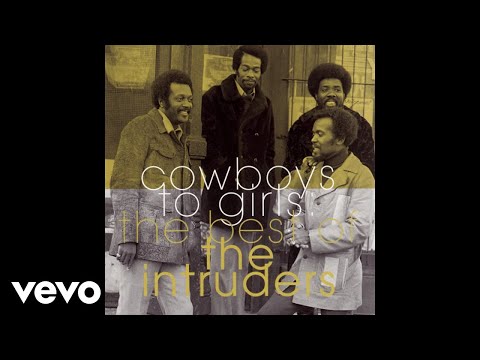
The Intruders' chart history with Gamble Records included several significant R&B chart entries, and "Sad Girl" contributed to an ongoing commercial relationship between the group and the label that would continue into the Philadelphia International era. Their 1968 recording "Cowboys to Girls" had been a notable hit, demonstrating that the Gamble-Huff production approach was capable of generating crossover appeal as well as core R&B success. "Sad Girl" continued the development of this formula in a more introspective and emotionally complex direction.
The song's subject, a woman carrying the weight of a difficult emotional situation, reflected the Intruders' consistent engagement with the full complexity of human relationships rather than the simpler romantic certainties of earlier soul and pop. Gamble and Huff's best material always operated on this more sophisticated emotional register, acknowledging ambivalence, pain, and the difficulty of love alongside its joys. This thematic seriousness would become one of the defining characteristics of Philadelphia International's catalog in the 1970s, but its roots were visible in recordings like "Sad Girl" from the late 1960s.
In the broader history of American soul music, the Intruders occupy an important transitional position as one of the key groups through which the Detroit-centered Motown model of Black pop was transformed into the Philadelphia-centered orchestral soul that would dominate the early-to-mid 1970s. "Sad Girl" is one of the earlier documents of that transformation, a recording that points forward toward the Sound of Philadelphia while remaining rooted in the soul traditions of the preceding decade.
02 Song Meaning
Witnessing Heartbreak: The Compassionate Vision of "Sad Girl"
"Sad Girl" participates in a specific and emotionally rich tradition within soul music, the song that observes rather than experiences, that positions the narrator as a witness to someone else's pain rather than the direct subject of their own. The title itself establishes this perspective, "sad girl" is a description applied to another person, not a self-identification. This structural choice immediately creates a particular kind of emotional space, one in which compassion rather than self-expression is the dominant mode.
The narrator in "Sad Girl" sees a woman carrying grief or disappointment, reads the signs of her emotional state in her bearing and behavior, and responds with feeling that combines sympathy, attraction, and the particular tenderness that genuine concern for another person generates. This is a more complex emotional situation than the standard love song presents, because the narrator's attention to the woman is filtered through observation of her pain, which means that any romantic feeling is inseparable from an empathetic response to her suffering.
This emotional triangulation between attraction, compassion, and the desire to comfort or heal was a recurring theme in the best soul songwriting of the late 1960s and early 1970s, a period when the genre was expanding its emotional vocabulary beyond the simpler pleasures and pains of romantic longing. The Philadelphia soul aesthetic that Gamble and Huff were developing in this period was particularly attuned to these more complex emotional situations, reflecting an understanding of human relationships that acknowledged their difficulty and ambivalence.
The figure of the sad girl is presented with respect and care rather than pity or condescension. The song does not reduce its subject to her emotional state but treats her as a full person whose sadness is one dimension of a complex inner life the narrator is attempting to understand and respond to. This respectful attention was characteristic of the Gamble-Huff approach to their best material, which consistently presented women as full human beings rather than objects of desire or projection.
Within the broader context of soul music's engagement with women's experience, "Sad Girl" represents a kind of sympathetic male gaze that was relatively rare in pop music's male-dominated perspective. The narrator's position as witness and potential comforter rather than protagonist of his own romantic drama places the woman's experience at the center of the song's concern in a way that feels genuinely attentive. The Intruders' warm group harmonics reinforce this quality of collective attention, as if the concern being expressed is communal rather than merely individual.
The orchestral production that Gamble and Huff were developing for their recordings at this period creates a musical environment that honors the emotional seriousness of the song's subject. The string arrangements carry a weight appropriate to genuine suffering, not dramatizing or aestheticizing pain but acknowledging its presence with the musical equivalent of sitting quietly with someone who is hurting. This emotional intelligence in production choices was one of the qualities that would make Philadelphia International's later catalog so enduring and so widely regarded as among the finest work in American popular music.
"Sad Girl" ultimately asks the listener to share the narrator's empathetic attention, to see the suffering of another person and respond to it with care rather than indifference. That is a relatively ambitious emotional request for a three-minute pop single, and the fact that it succeeds is a testament to both the quality of the songwriting and the warmth of the Intruders' vocal performance.
→ More from The Intruders
View all The Intruders hits →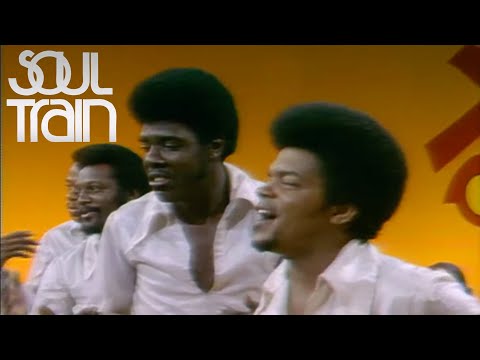

→ More from the 1960s File
View all 1960s hits →




Keep digging