The 1960s File Feature
King Midas In Reverse
King Midas In Reverse by The Hollies: A British Invasion Band Reaches for Something Bolder Picture the swirling, experimental atmosphere of late 1967, the he…
01 The Story
"King Midas In Reverse" by The Hollies: A British Invasion Band Reaches for Something Bolder
Picture the swirling, experimental atmosphere of late 1967, the height of the psychedelic era, when bands across Britain were pushing pop into ambitious new territory. The Hollies, one of the most successful and harmonically gifted groups of the British Invasion, decided to stretch beyond their proven formula. "King Midas In Reverse" was their bold experiment, a richly arranged, lyrically ambitious single that found the band reaching for new artistic heights in a year defined by creative daring.
Masters of the Pop Single
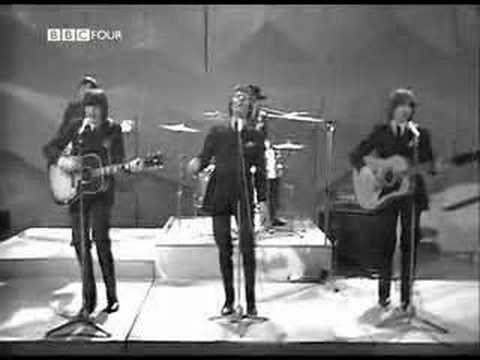
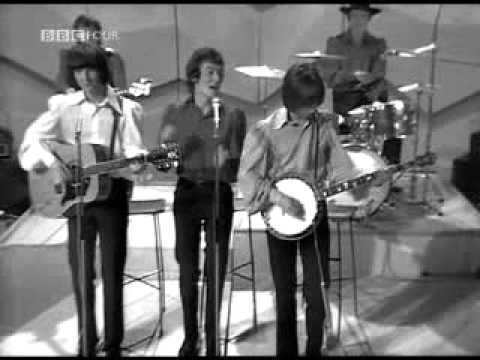
By 1967, The Hollies were established hitmakers with an enviable track record. They were renowned for their gorgeous vocal harmonies and a string of polished, catchy hit singles that had made them one of Britain's most reliable pop groups. The band counted among its members the gifted Graham Nash, who would soon depart to help form Crosby, Stills and Nash. The Hollies had built their reputation on bright, accessible pop, but the experimental spirit of the era encouraged them to aim for something more adventurous and personal.
An Ambitious Departure
The song itself marked a clear artistic stretch. "King Midas In Reverse" was largely the work of Graham Nash, who pushed the band toward a more elaborate, introspective sound. The arrangement is lush and sophisticated, featuring orchestration and a more complex structure than the group's typical hits. The lyric inverts the famous myth, imagining a figure whose touch turns gold to ruin rather than the reverse, a strikingly downbeat and self-questioning conceit for a pop single. It was a brave reach for greater depth, reflecting the era's belief that pop could be serious art.
A Modest Chart Showing
The single's chart performance was relatively muted, perhaps because its ambition outpaced its immediate commercial appeal. "King Midas In Reverse" debuted on the Billboard Hot 100 at number 73 on October 7, 1967, and climbed modestly over the following weeks. It reached its peak of number 51 on October 28, 1967, and stayed on the chart for just 5 weeks. The relatively soft showing reportedly disappointed some in the band who had hoped the bold experiment would connect more strongly. It marked a moment of creative tension within the group about which direction to pursue going forward.
A Fascinating Turning Point
In the larger story of The Hollies, "King Midas In Reverse" stands as a fascinating glimpse of a band at a crossroads. Graham Nash would soon leave to pursue the more ambitious, introspective music he craved, going on to enormous success and acclaim. The song hints at the artistic restlessness that would drive that departure. Though it was not among the band's biggest hits, it has come to be appreciated as one of their most interesting and ambitious recordings, a brave experiment from a group usually content with pop perfection.
A Song Reappraised Over Time
The reputation of "King Midas In Reverse" has grown considerably in the decades since its release. What disappointed some at the time as a commercial underachievement now looks, with hindsight, like one of the band's most interesting and forward-thinking records. As tastes evolved and listeners came to value ambition and introspection in pop, the song's qualities became easier to appreciate. It is now frequently cited as a highlight of the band's catalog, a brave departure that anticipated the more serious singer-songwriter sensibility of the years to come. Sometimes a song's true worth is only recognized long after its initial chart run has ended.
A Pivotal Moment for Graham Nash
For Graham Nash specifically, the song marked a crucial step in his artistic development. His desire to write more personal, ambitious material would soon take him out of The Hollies entirely and into one of the most celebrated partnerships in rock history. Heard in that light, "King Midas In Reverse" is almost a statement of intent, the sound of a songwriter outgrowing the constraints of the pop-single format. It captures the precise moment when his ambitions began to exceed what his current band could contain, making it a fascinating document of an artist on the verge of a major transformation.
Press play and let the lush, ambitious sweep of "King Midas In Reverse" reveal a beloved pop band reaching for something deeper.
"King Midas In Reverse" — The Hollies' singular moment on the 1960s charts.
02 Song Meaning
The Meaning of "King Midas In Reverse": A Meditation on Self-Doubt
The song takes one of the most famous images in mythology and turns it on its head. Where the legendary King Midas turned everything he touched to gold, this song imagines the opposite: a figure whose touch brings ruin instead of riches. That dark inversion forms the heart of a strikingly self-questioning lyric, a meditation on inadequacy and the fear of doing harm.
The Central Theme of Negative Self-Image
At its core, the song is a confession of self-doubt. The narrator warns that everything he touches turns to dust rather than gold, casting himself as a source of ruin rather than blessing. It is a remarkably bleak and honest self-assessment for a pop song, an admission of feeling cursed or inadequate. The inverted Midas image gives that feeling a powerful, instantly graspable form, expressing the painful conviction that one brings misfortune to those they care about. This is the language of genuine self-criticism.
Ambition Beneath the Pop Surface
The song's willingness to explore such dark territory reflects its artistic ambition. The lyric reaches for a depth and seriousness uncommon in mainstream pop of the time, treating the form as a vehicle for real introspection. The lush, sophisticated arrangement matches that ambition, signaling that this is meant to be more than a simple hit. The result is a song that uses the tools of pop to express a genuinely complex and uncomfortable emotional truth, a reach toward artistry that the era encouraged.
A Product of Its Experimental Moment
The song captures the adventurous spirit of 1967. This was the height of the psychedelic era, when pop musicians were expanding their lyrical and musical ambitions, treating the three-minute single as a canvas for serious ideas. Songs grew more introspective, more poetic, more willing to explore difficult emotions. A pop single built around the theme of self-doubt and the fear of causing harm fit perfectly into that climate of experimentation and artistic seriousness.
Why It Still Intrigues
The song endures because its central feeling is so honestly human. Almost everyone has known moments of believing they bring trouble to those around them, the painful conviction of being somehow cursed or inadequate. By giving that feeling the vivid frame of a reversed myth, the song makes private self-doubt both memorable and strangely beautiful. There is courage in a pop song willing to admit such darkness, to look squarely at the fear of one's own destructiveness. It remains a fascinating and affecting piece, proof that even a band known for sunny pop could reach into darker, more searching emotional territory and find something true and lasting there. The willingness to confront such an uncomfortable feeling, and to make it beautiful, is precisely what keeps the song alive for new generations of listeners.
→ More from The Hollies
View all The Hollies hits →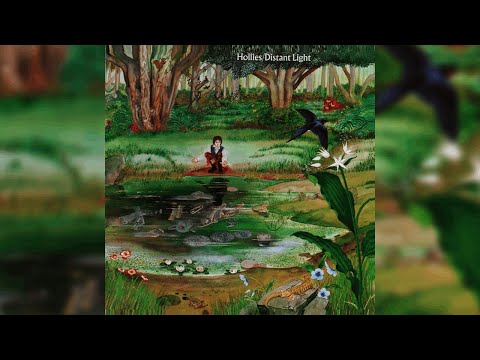


→ More from the 1960s File
View all 1960s hits →




Keep digging