The 1960s File Feature
Mio Amore
The Flamingos and the Tender Sway of Mio Amore Picture the turn of the 1960s, a moment when the lush harmonies of doo-wop still ruled the airwaves but the gr…
01 The Story
The Flamingos and the Tender Sway of "Mio Amore"
Picture the turn of the 1960s, a moment when the lush harmonies of doo-wop still ruled the airwaves but the ground was beginning to shift beneath them. Rock and roll was maturing, the slow dances at the high school gym demanded a particular kind of magic, and few groups conjured that magic better than the polished vocal ensembles who could turn a simple melody into pure velvet. Among the very finest of these stood a group whose harmonies had already become a benchmark for the entire genre.
Masters Of The Vocal Group Era
The Flamingos arrived at this single as established royalty of the vocal-harmony world. They had built their reputation on a sound of remarkable smoothness and precision, blending voices with an elegance that set them apart even in a crowded field. Their towering achievement, a haunting reinterpretation of an old standard, had already cemented their place in the doo-wop pantheon, and that triumph cast a long shadow over everything that followed. By 1960 the group was a known quantity, prized for craftsmanship and that unmistakable shimmer in their blend.
A Romantic Mood Piece
This recording leaned into the group's gift for atmosphere, a tender, swaying ballad built for slow dances and dim lights. The title itself, with its romantic flourish, signaled the song's intent: pure, unhurried devotion set to gently rolling harmony. The Flamingos understood that their strength lay not in flash but in feeling, in the way a perfectly placed harmony could make a listener's chest tighten. Everything about the arrangement served that goal, framing the lead voice in a warm cushion of supporting harmony.
A Modest But Real Chart Showing
The single entered the Billboard Hot 100 on July 18, 1960, debuting at number 98. It climbed steadily through the high 90s and into the 80s over the following weeks before reaching its peak of number 74 on August 8, 1960. The song spent 6 weeks on the Hot 100, a brief but genuine presence on the national chart. For a group whose biggest triumphs had come slightly earlier, the showing confirmed that the Flamingos still commanded an audience as the new decade dawned.
Holding The Line As Styles Changed
By 1960 the doo-wop sound that had defined the late 1950s was beginning to face competition from new pop styles and the rising tide of the early-sixties hitmakers. Records like this one represent the genre at a transitional crossroads, a beloved sound still capable of charting even as the cultural winds began to turn. The Flamingos' commitment to their signature elegance kept them relevant, and their influence would echo through countless harmony groups that followed.
The Craft Behind The Harmony
What separated the finest vocal groups from the merely competent was an almost architectural sense of how voices fit together. The Flamingos built their sound on precision and balance, arranging their harmonies so that each voice supported the others without crowding them. That care is audible in every bar, the result of countless hours spent refining blend and phrasing until the group sounded like a single instrument rather than several singers. In an age before multitracking made such effects easy, achieving that seamless unity demanded real discipline and musicianship. The polish of the recording reflects that dedication, a reminder that the smoothness so characteristic of the group was earned through genuine craft rather than studio shortcuts.
A Velvet Reminder Of An Era
Today the recording stands as a graceful artifact of a golden moment in American vocal music, a time when human voices, layered with care, could do the work that synthesizers and studio trickery would later attempt. For anyone drawn to the warmth and intimacy of classic harmony singing, this single offers a perfect three-minute escape. It carries the unmistakable atmosphere of its moment, the dim lights and slow dances of an era that prized romance and elegance above all. Press play and let those interlocking voices wrap around you like the soundtrack to a slow dance under paper lanterns.
"Mio Amore" — The Flamingos' singular moment on the 1960s charts.
02 Song Meaning
The Meaning Behind "Mio Amore"
At its core this is a song of pure romantic devotion, the kind of unguarded declaration that doo-wop excelled at delivering. The title, an affectionate phrase meaning "my love," tells you almost everything about its intent. There is no irony here, no complication, only the open-hearted expression of tenderness toward a beloved, sung in the warm, enveloping harmony style that defined the era's most romantic records.
Devotion Without Defenses
The emotional heart of the song is sincerity. It offers love without hesitation or pretense, the voice of someone willing to lay their feelings bare. That earnestness, which might seem almost quaint to modern ears, was the genre's great strength, a willingness to be vulnerable and direct in an age that prized romantic gallantry. The song asks for nothing complicated; it simply celebrates the feeling of caring deeply for another person.
Harmony As Emotional Language
For a vocal group like this one, meaning lives as much in the sound as in the words. The blended harmonies themselves communicate warmth and longing, doing emotional work that the lyrics alone could never achieve. The interplay of voices, rising and falling in careful balance, mirrors the give-and-take of devotion, turning the arrangement into a kind of musical embrace. The sound is the message as much as anything spoken.
The Soundtrack Of Young Romance
Songs like this served a real social function in their moment. They scored the slow dances and quiet courtships of a generation, providing the soft backdrop against which countless first loves unfolded. The romantic flourish of the title and the gentle sway of the melody made it ideal for those tender, hopeful occasions, and that association gave the music a significance well beyond its chart numbers.
Simplicity As Strength
In an age of increasingly complex pop, there is something quietly radical about a song this direct. The lyric refuses complication, trusting plain feeling to carry the weight, and that simplicity becomes its greatest asset. By stripping romance down to its essence, the song achieves a kind of purity that more elaborate compositions often miss. There is no irony to decode, no clever twist to admire, only an open expression of love offered without reservation. That clarity gives the song its lasting power, allowing the emotion to reach the listener unobstructed by cleverness or artifice.
Why It Lingers
The song endures because the feeling at its center never goes out of style. The longing to express devotion is as old as music itself, and few styles captured that impulse as gracefully as classic vocal harmony. For listeners today, the recording offers a window into a more openly romantic age, a reminder of how powerful simple, sincere emotion can sound when carried by voices that truly blend.
→ More from The Flamingos
View all The Flamingos hits →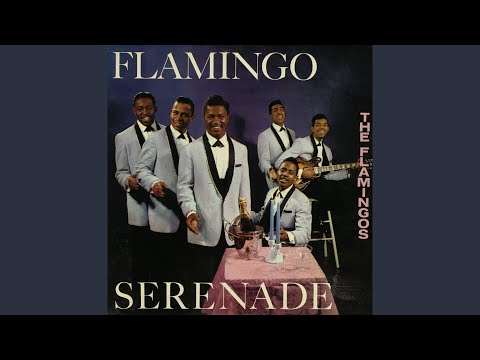



→ More from the 1960s File
View all 1960s hits →




Keep digging