The 1960s File Feature
Darling Baby
Darling Baby — The Elgins and Motown's Quieter Gem Motown in Full Flight Spring 1966 found Motown Records in a remarkable period of commercial dominance. Ber…
01 The Story
Darling Baby — The Elgins and Motown's Quieter Gem
Motown in Full Flight
Spring 1966 found Motown Records in a remarkable period of commercial dominance. Berry Gordy's Detroit operation had refined a production system that was producing chart hits with extraordinary regularity, and the roster of artists releasing material that year included the Supremes, the Four Tops, Marvin Gaye, and Stevie Wonder. Into this competitive internal landscape came a group that has remained somewhat underappreciated in the broader Motown narrative: The Elgins, a vocal quartet from Detroit whose blend of voices brought a particular warmth to the label's characteristic sound.
The Elgins consisted of Saundra Mallett Edwards, Cleo "Duke" Miller, Norman McLean, and Robert Fleming, and their recordings for Motown's V.I.P. imprint placed them slightly outside the main label's highest-profile commercial focus. V.I.P. was one of Motown's subsidiary labels, and acts on those imprints sometimes received slightly less promotional muscle than those on the flagship Motown label itself. Despite that positioning, Darling Baby found its audience through the genuine quality of the recording rather than through extensive label push.
The Sound and Its Production
Like virtually everything coming out of Motown in this period, Darling Baby benefits from the work of the Funk Brothers, the extraordinary house band whose studio contributions underpinned the label's entire sound. The track features the tight, rhythmically assured playing that made Motown recordings feel simultaneously sophisticated and physically compelling. The production places the group's harmonies prominently, which is appropriate given that their blend is the song's central pleasure.
Saundra Mallett Edwards's lead vocal is particularly effective, combining the emotional directness associated with gospel-rooted singing with the more polished, controlled delivery that the Motown system favored. The interplay between her lead and the group's responses gives the track a classic call-and-response energy that connects it to deeper roots in Black American vocal tradition while remaining thoroughly contemporary in its commercial presentation.
Eight Weeks of Gradual Discovery
The chart journey of Darling Baby is the story of a song finding its audience week by week rather than announcing itself with an immediate high debut. The track entered the Billboard Hot 100 at number 92 on March 19, 1966, moved through the chart with typical Motown airplay momentum, and reached its peak position of number 72 on May 7, 1966. Eight weeks on the national chart for a group without the full weight of Motown's main label marketing machinery behind them represents a genuine listener response. Radio programmers and audiences found something in the recording worth returning to.
The chart context of spring 1966 was competitive in the extreme. This was the period when the British Invasion's initial wave was still generating significant commercial energy, when soul music was at a peak of both artistic achievement and commercial reach, and when the Billboard Hot 100 was occupied by an unusually deep field of genuinely good recordings. The Elgins' presence in that environment, even at number 72, required competing with material of considerable quality.
The Elgins in Motown's Broader Picture
Understanding the Elgins requires some appreciation of how Motown's internal structure worked in the mid-1960s. The label operated as a vertically integrated music business, with its own songwriting and production teams, its own distribution, and its own artist development apparatus. Acts on subsidiary labels like V.I.P. were part of this system but were sometimes positioned as alternatives to the flagship label's primary commercial focus rather than its central priority.
This created a situation in which some excellent recordings received less promotional support than their intrinsic quality warranted. The Elgins' recordings, including Darling Baby, have experienced a significant reappraisal over the decades as collectors and critics have returned to Motown's subsidiary catalog and found material of genuine distinction that the original commercial context did not fully reward. The Northern Soul movement in Britain, which prized exactly this kind of overlooked mid-1960s soul recording, helped rehabilitate the group's reputation significantly.
Northern Soul and the Song's Second Life
The Northern Soul scene that developed in Britain from the late 1960s onward was built on an enthusiastic rediscovery of American soul music that the mainstream had passed over or moved on from. Recordings on Motown's subsidiary labels became particular favorites among Northern Soul dancers and collectors, who prized the rhythmic drive and harmonic sophistication of exactly the kind of material the Elgins recorded. Darling Baby became a Northern Soul staple, introducing the song to a British audience that embraced it with an enthusiasm the American market had not fully expressed.
This second life on the other side of the Atlantic is a story that many mid-1960s American soul recordings share, and it represents one of the more interesting chapters in the transatlantic exchange of musical culture. Songs that the American music industry treated as minor chart entries were transformed into beloved classics by an audience that had no investment in the original commercial hierarchies.
The Elgins deserve more recognition than they typically receive in Motown histories. Put Darling Baby on and you will understand why collectors have spent fifty years seeking it out.
"Darling Baby" — The Elgins' singular moment on the 1960s charts.
02 Song Meaning
Darling Baby — Meaning, Longing, and Soul's Human Touch
Tenderness as the Song's Foundation
What distinguishes Darling Baby within the Motown catalog is its quality of unguarded tenderness. The lyric addresses a beloved other directly, with an intimacy that does not perform toughness or cool but simply expresses feeling. The narrator is someone in the grip of genuine affection, and the song's emotional honesty about that vulnerability is what gives it staying power beyond its original chart moment.
The Elgins' vocal performances amplify this tenderness through harmonic richness. When voices blend in the way this group's blend, the effect is communal as well as intimate: several people sharing a single emotional state, which creates a sense that the feeling described is too large for any one voice to contain. That quality connects the recording to gospel tradition, where the power of shared vocal expression signals something beyond individual capacity.
Longing and Its Many Registers
The song operates in the register of longing, of someone who wants more closeness than they currently have. This is one of soul music's most productive emotional territories, and the genre had developed sophisticated ways of expressing different textures of longing by the mid-1960s. Darling Baby focuses on the yearning end of the emotional spectrum rather than the grief or anger that longing sometimes produces when it is thwarted. The narrator wants, but the wanting itself feels sweet rather than painful.
This emotional orientation suited the Motown commercial aesthetic well. Berry Gordy's production philosophy favored music that could cross demographic lines by keeping emotional content accessible rather than confrontationally raw. The result was a sound that could carry genuine feeling while remaining comfortable enough for mainstream pop radio programmers to embrace.
The Voice of the Group
Saundra Mallett Edwards's lead vocal on this recording deserves particular attention as a document of mid-1960s soul singing at a high level of craft. Her technique combines controlled power with moments of expressive vulnerability that signal genuine emotional engagement with the material. The way she delivers the song's central address suggests someone who has earned the right to speak these feelings, not through performance but through the genuine accumulation of experience.
The group's backing harmonies function as more than simple support. They respond to, comment on, and expand the emotional content of the lead vocal in ways that give the recording a conversational quality, as though the group is collectively working through the feeling rather than simply accompanying it. This is quintessential Motown vocal production, and the Elgins execute it with skill that justifies much more attention than they have typically received.
Why the Northern Soul Scene Claimed It
The Northern Soul movement's embrace of Darling Baby reflects something important about the song's intrinsic qualities. Northern Soul dancers were extremely discerning listeners who valued specific rhythmic characteristics, particular tempos, and a quality of emotional intensity that they recognized instantly and valued above commercial pedigree. The fact that this group's recordings became Northern Soul favorites indicates that the rhythmic and emotional content was genuinely exceptional, regardless of what the original American chart position suggested.
Songs that survive through collector culture tend to do so because they have qualities that reward close listening, qualities that are easier to miss in a casual radio context but become unmistakable when you give the recording your full attention. Darling Baby has this kind of depth. The more carefully you listen, the more there is to appreciate.
A Song About Connection
At its most fundamental, Darling Baby is a song about wanting to be close to someone, about the way genuine affection makes distance feel unbearable. This is one of the oldest and most reliably resonant human experiences, and soul music has always been particularly well equipped to express it because the genre's vocal and instrumental vocabulary is so naturally suited to conveying emotional intensity without theatrical exaggeration.
The Elgins deliver this universal feeling in a specific, historically situated form, and that specificity is part of what makes the song valuable. It does not pretend to timelessness; it embodies its moment. The sound of 1966 Detroit soul, the particular blend of gospel heat and pop accessibility that Motown had perfected, is present in every bar. That historical grounding does not limit the song's emotional reach; it anchors it, gives it the weight of a particular time and place and community, which is ultimately what makes music matter.
→ More from The Elgins
View all The Elgins hits →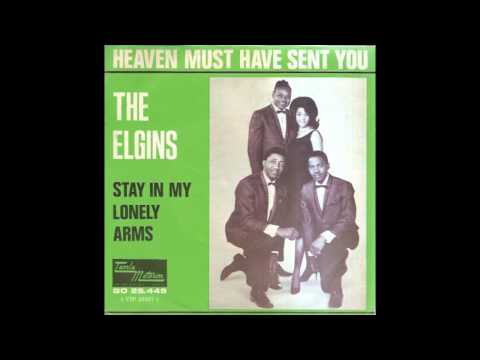

→ More from the 1960s File
View all 1960s hits →




Keep digging